When the Grain Moves: Food Systems Under Climate Stress and the Hormuz Fertiliser Shock
Wheat prices jumped and fertiliser supply chains stuttered this week as LNG tankers rerouted around the Strait of Hormuz. The shock is temporary — but it exposes the chronic vulnerability of a global food system already fracturing under climate stress that is anything but temporary.
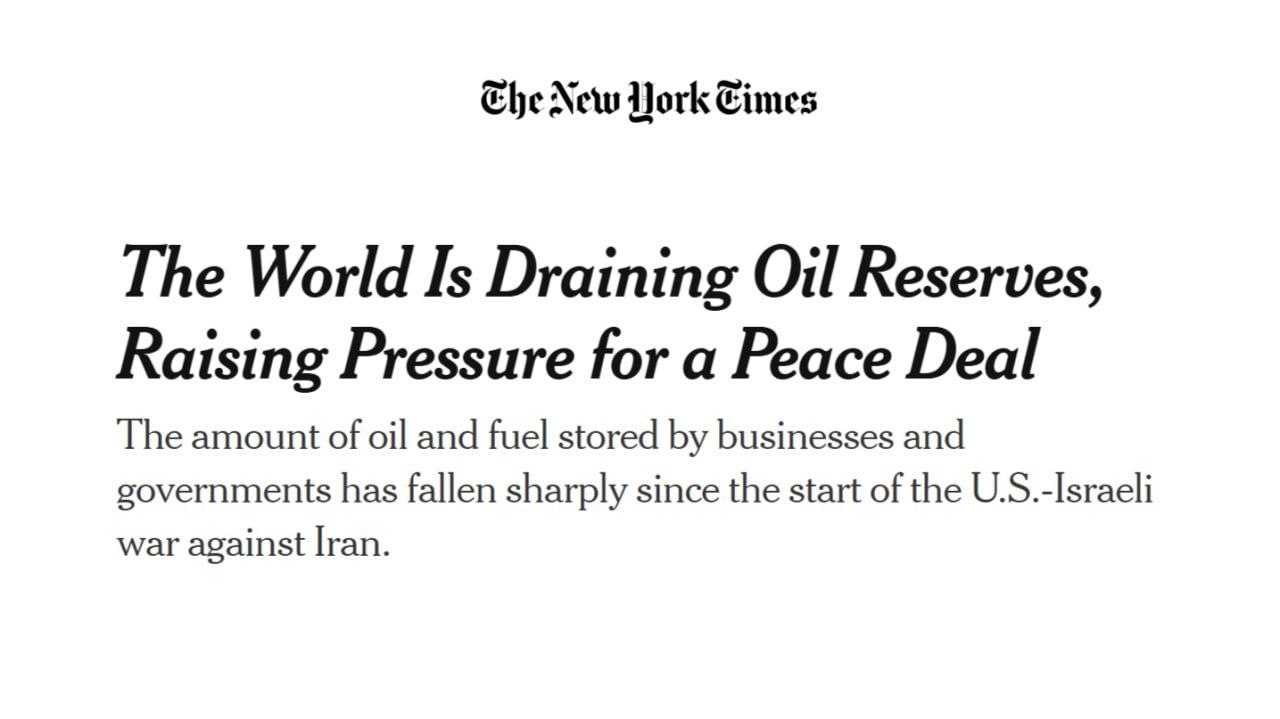
The Guardian's business live blog on 17 April 2026 captured the headline in a single phrase that deserved more sustained attention than it received: wheat price jump, Iran war, fertiliser, food insecurity. These four terms, strung together as a market update, describe a causal chain that runs from military confrontation in the Persian Gulf through global commodity markets into the caloric sufficiency of households in Dakar, Karachi, and Addis Ababa. The mechanism is not complicated. Iran's warning to vessels in the Strait of Hormuz prompted five LNG tankers to reroute, tightening global gas supplies and pushing up the price of gas-derived ammonia — the feedstock for nitrogen fertilisers that underpin the yield levels on which the current global population depends. Wheat prices rose. Bread prices in import-dependent economies followed. And the governments of countries whose fiscal space has been narrowed by climate disaster costs and IMF conditionality found themselves choosing, again, between food subsidies and debt service.
This is not an anomaly. It is the structure. The mechanism of unequal exchange is clear: Global South food systems are integrated into global commodity chains in ways that transmit shocks generated at the core — whether those shocks are financial, military, or climatic — while providing those systems with minimal insulation against them. Adequate nutrition is part of the social foundation that no just society should permit to erode, and climate change is eroding it from multiple directions simultaneously — through direct agricultural disruption, through the commodity price volatility that fossil fuel geopolitics generates, and through the fiscal pressure on governments that prevents them from maintaining the public food systems that once provided buffer. The agricultural systems of the Global South have been systematically restructured by colonial and post-colonial political economy to serve export markets rather than local food security, and climate stress is now exploiting exactly those structural vulnerabilities.
The Fertiliser Trap
Modern industrial agriculture is a fossil fuel system. Nitrogen fertiliser production via the Haber-Bosch process consumes approximately 1 to 2 percent of global energy supply and produces roughly the same fraction of global CO2 emissions — figures that seem modest until you register that this single industrial process is responsible for the nitrogen inputs that support approximately half of global food production. The feedstock is natural gas. When gas prices rise — whether because of a Hormuz closure, a Russian pipeline dispute, or a cold European winter — fertiliser prices follow with a lag of weeks to months. Small farmers in Sub-Saharan Africa and South Asia, already operating on margins that leave no room for price shocks, reduce application rates. Yields fall the following season. The shock arrives at the dinner table six to twelve months after the commodity market registered it.
This transmission belt from fossil fuel geopolitics to food insecurity is not adequately represented in climate finance discussions, which tend to treat agricultural adaptation as a separate portfolio from energy transition. The two are coupled. A genuine food systems transition — toward agroecological production methods that reduce external input dependency, rebuild soil carbon, and restore the biodiversity that supports pollination and pest regulation — would simultaneously reduce climate emissions, reduce exposure to fossil fuel price volatility, and rebuild the food sovereignty that colonialism dismantled. But agroecological transition is slow, labour-intensive, and requires the kind of patient public investment that structural adjustment programs have spent four decades eliminating from developing country budgets.
Climate Stress on Agricultural Systems
The direct climate impacts on food systems are well documented and accelerating. The IPCC's sixth assessment cycle projects that yields of major staple crops — wheat, rice, maize — decline by 2 to 6 percent per decade under current emissions trajectories in tropical and subtropical regions, precisely the zones where food insecurity is already most acute. These are average figures; the distribution of impacts is highly unequal, with the most severe losses concentrated in South Asia, Sub-Saharan Africa, and parts of Latin America — regions that bear minimal historical responsibility for the cumulative emissions driving the disruption.
The agricultural corporations that dominate seed, fertiliser, pesticide, and commodity trading markets — Bayer-Monsanto, Corteva, Yara, Archer-Daniels-Midland, Cargill — are positioned to profit from both the climate stress and the adaptation response. Drought-tolerant seed varieties are proprietary. Climate-resilient agricultural technology is patented. The Green Climate Fund's adaptation portfolios often channel resources through intermediaries that favour technology-intensive, IP-encumbered solutions over the agroecological approaches that have the strongest evidence base for smallholder contexts. The crisis generated by fossil capital accumulation becomes a new frontier for further accumulation, this time in the domain of biological resilience.
The Dez Dam Signal
An item from Iranian state media on 18 April 2026 — tucked between military dispatches and market updates — reported that controlled releases from the Dez Dam had begun to manage flooding in Khuzestan. The flood risk was itself a product of extreme precipitation events that Iranian meteorologists have linked to changed regional weather patterns — patterns consistent with climate model projections for the Persian Gulf region under warming scenarios. Here, in a single news item, the multiple dimensions of food systems under climate stress converge: a dam built to regulate agricultural water supply in a major wheat-producing region is now being used for flood control, at the same moment that the region's military and geopolitical tensions are disrupting the commodity chains through which fertiliser and grain reach the global market.
Nations whose historical experience of colonialism, resource extraction, and structural adjustment has left them with minimal capacity to absorb compounding shocks — illuminating why the Dez Dam story and the wheat price story and the fertiliser supply chain story are a single story. The food security of billions of people depends on the stability of systems — climatic, logistical, financial, political — that are simultaneously under stress from multiple directions, each of which has a traceable genealogy in the decisions of wealthy states and corporations. Voluntary loss and damage pledges of $700 million do not address this compound vulnerability. Restructured food sovereignty frameworks, genuine technology transfer without IP encumbrance, and climate finance that reaches smallholders rather than intermediaries might begin to.
Stakes at the Intersection
The wheat price jump of April 2026 will be absorbed by global commodity markets within weeks. The underlying dynamics that made it possible — fossil fuel dependency of food production, climate stress on agricultural systems, eroded fiscal buffers in food-importing states, structural absence of food sovereignty — will not be. The IMF meetings in Washington are discussing debt sustainability frameworks for climate-vulnerable economies; the conversation needs to extend to agricultural system redesign on a scale that the current architecture of international development finance is not structured to support.
The Hormuz shock is a preview. As climate change increases the frequency of extreme weather events that disrupt agricultural production in multiple breadbasket regions simultaneously, as geopolitical competition over fossil fuel supply routes continues to generate price volatility that transmits through fertiliser costs into food prices, and as the fiscal capacity of food-importing developing states continues to be constrained by climate costs they did not generate, the temporary emergency of one week's wheat price movement becomes the permanent condition of chronic food insecurity. That is the stakes. That is the story that the "Iran war, fertiliser, food insecurity" headline was not given space to tell.
Monexus grounded this piece in the commodity chain mechanics of the current crisis rather than the humanitarian optics, because understanding the mechanism is prerequisite to changing it.