Iran's Ghalibaf Declares Strait of Hormuz Under Tehran's Control, Claims Credit for Hezbollah Ceasefire
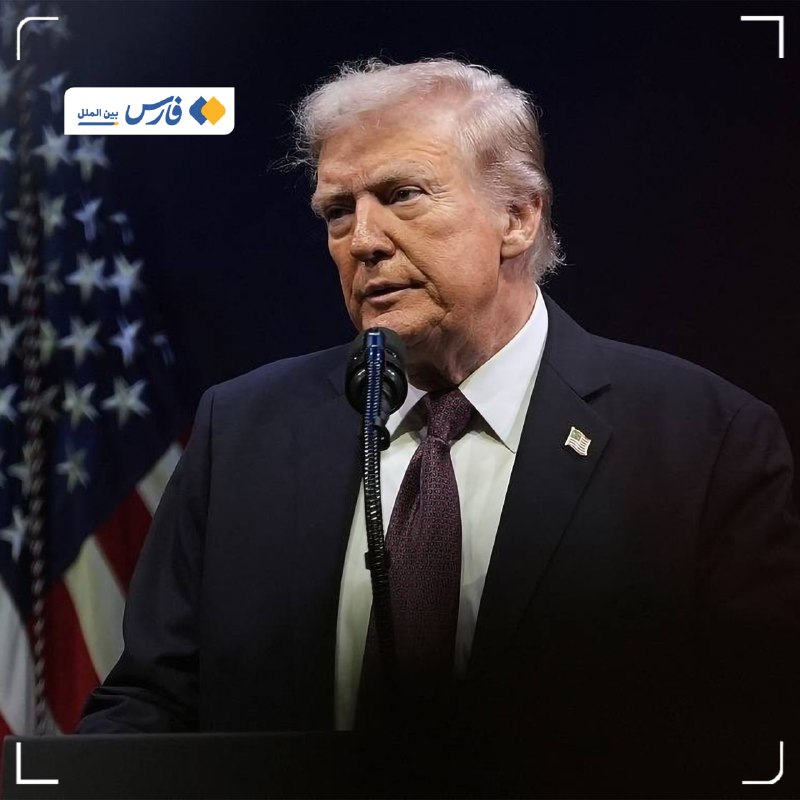
Mohammad Bagher Ghalibaf, Speaker of Iran's Islamic Consultative Assembly, delivered a forceful declaration on April 18, 2026, asserting that the Strait of Hormuz remains entirely under the control of the Islamic Republic and that Washington will not be permitted to interfere in the strategic waterway. Speaking during a nationally broadcast press conference carried live by Al-Alam Television and Fars News Agency, Ghalibaf stated that Iranian forces had "firmly dealt" with what he described as an American attempt to clear naval mines in the Persian Gulf, characterizing the operation as a direct violation of existing ceasefire understandings.
The statements emerge amid a complex and rapidly shifting regional landscape. With the ceasefire in Lebanon now holding—and having been explicitly designated by Tehran as one of its core negotiating conditions—Iranian officials have moved to consolidate a narrative of strategic victory for what they term the "resistance front." Ghalibaf's remarks, which frame Iran as the primary architect of regional outcomes, represent a deliberate attempt to translate military and diplomatic leverage into discursive authority over the shape of post-conflict order in the Levant and the Persian Gulf simultaneously.
Strategic Posturing or Structural Reality?
The Strait of Hormuz represents one of the world's most consequential maritime chokepoints, with approximately 20 to 25 percent of global oil shipments transiting its narrow waters annually. Any assertion of sovereign control over this corridor carries profound implications for global energy markets, shipping insurance rates, and the broader architecture of international commercial navigation. Ghalibaf's claim that the strait is under Iranian control—and his warning that American interference will not be tolerated—must be understood not merely as rhetorical flourish but as a direct communication to Washington about the limits of US naval presence in the Persian Gulf.
What is particularly notable is the framing of the American mine-clearing operation as a ceasefire violation. According to Ghalibaf's statements as reported by Fars News Agency, Iranian forces responded firmly to the US action, treating it not as a routine naval operation but as an escalation that warranted countermeasures. This framing positions Tehran as the enforcement authority over the terms of any regional ceasefire, effectively subordinating American military activities in the Gulf to Iranian approval. For a government that has long articulated its security doctrine around resistance to US hegemony, the assertion carries both ideological and strategic weight.
The framing of Iranian statements in Western media operates through identifiable institutional filters. Corporate ownership of major news outlets — frequently subsidiaries of corporations with interests in Gulf energy stability — may predispose coverage toward minimizing the operational significance of Iranian control claims. The sourcing pattern is equally predictable: Western coverage tends to privilege US Department of Defense statements over Iranian official communications, rendering Tehran's framing as mere propaganda rather than as substantive strategic communication requiring analysis on its own terms.
The Hezbollah Calculus and the Ceasefire Architecture
Perhaps the most geopolitically significant element of Ghalibaf's press conference was his explicit attribution of Hezbollah's entry into the broader regional conflict to Iranian direction. "Hezbollah entered the war because of us," Ghalibaf stated, according to transcripts from Al-Alam and Fars News. The Speaker went further, characterizing the ceasefire now in effect in Lebanon as a direct outcome of Iranian negotiating leverage—a demand that Tehran had placed on the table and extracted as a concession from its adversaries.
This claim, if accepted at face value, positions the Islamic Republic as the central coordinator of a multi-theater resistance strategy, with Hezbollah functioning as a proxy whose deployment was contingent on Iranian strategic calculations. Such framing has obvious implications for how the region understands the balance of power: not as a collection of autonomous actors responding to local grievances, but as a coherent bloc organized around Tehran's strategic vision. The "resistance front" language employed by Ghalibaf is not merely descriptive—it is an attempt to construct a legitimizing narrative in which Iranian leadership of anti-imperialist struggle confers political authority over outcomes across multiple theaters.
The claim that ceasefire terms were set by Iran also raises questions about the agency of other actors in the region. If Tehran's conditions determined the shape of the Lebanon ceasefire, what does that imply about the sovereignty of Lebanese political structures? And what does it suggest about the degree to which the United States, in negotiating pauses in hostilities, was in fact negotiating directly with—and making concessions to—Iran rather than to locally autonomous actors? These are questions that Western coverage frequently obscures through the language of "local factions" and "regional stakeholders," a linguistic framework that dissembles the hierarchical nature of the resistance axis as described by Ghalibaf himself.
Contested Ceasefire Claims and the Trump Question
Ghalibaf's press conference included a pointed challenge directed at US President Donald Trump personally. The Iranian Parliament Speaker stated that if America was genuinely seeking a ceasefire, then Trump should publicly announce the request in a tweet—a formulation that amounts to a demand for visible capitulation as a precondition for any negotiated de-escalation. According to the Fars News transcript, Ghalibaf characterized the enemy's ceasefire request as having been made without the achievement of its strategic objectives, framing the current moment as a victory for Iranian deterrence rather than a concession extracted by Western pressure.
This framing deserves scrutiny. Ghalibaf's assertion that the opposing side requested the ceasefire without achieving its goals is a claim that serves Tehran's interest in presenting the current strategic landscape as a vindication of its resistance-based approach. Whether this claim accurately reflects the negotiations' dynamics—and what specific objectives the "enemy" is understood to have failed to achieve—remains unclear from the available reporting. What is evident is that the Islamic Republic is using the ceasefire architecture to project an image of strategic success, even as the underlying military and economic pressures on Iran remain substantial.
The demand that Trump publicly tweet his ceasefire request functions simultaneously as a negotiating tactic and a piece of political theater. It signals to domestic Iranian audiences that the government has compelled the American president to perform submission to Iranian terms. It also creates a diplomatic trap: any public ceasefire request strengthens the Iranian narrative of American weakness and Iranian resolve, while refusal to make such a request provides Tehran with grounds for rejecting future negotiating overtures as insufficiently sincere.
Regional Stakes and the Multipolar Framing
The broader significance of Ghalibaf's statements lies in their contribution to an emerging multipolar narrative about regional order in the Persian Gulf. From Tehran's perspective, the current strategic landscape demonstrates the bankruptcy of US-led interventionism and the resilience of indigenous resistance architectures when properly organized and supplied. The framing of American naval operations as ceasefire violations—and of American ceasefire requests as admissions of defeat—serves a pedagogical function in the broader discourse of anti-colonial struggle.
This narrative finds receptive audiences across the Global South, where the memory of Western colonial intervention in the region remains politically salient. The claim that Iran successfully repelled American interference in the Strait of Hormuz—while simultaneously orchestrating the Hezbollah contribution to the Lebanon ceasefire—positions the Islamic Republic as a model of sovereignty preservation in a region long subject to external manipulation. Whether or not one accepts the factual accuracy of every element of this narrative, its political function in the ongoing contest over the legitimacy of US regional hegemony is unmistakable.
Western media coverage of Iranian statements often proceeds from a framing that treats Tehran's communications as propaganda to be decoded rather than as substantive strategic communications requiring direct engagement. Coverage of Iranian military assertions tends to be deskilled — presented as mere rhetoric rather than analyzed for operational implications — while equivalent statements from US officials receive treatment as credible signals requiring strategic response. This asymmetry in how "legitimate" versus "illegitimate" sources are handled is a consistent feature of Western conflict journalism.
The Strait of Hormuz remains among the world's most strategically consequential waterways. Ghalibaf's assertions on April 18, 2026, that Iran controls the corridor and successfully challenged American naval operations there underscore the persistent volatility of the regional security environment. That these claims emerged in the context of explicit Iranian assertions of credit for Hezbollah's role in the regional conflict—and a pointed challenge to Trump to publicly request a ceasefire—indicates that whatever ceasefire architecture currently exists remains a site of intense contestation over narrative, leverage, and legitimacy rather than a stable resolution of underlying strategic conflicts.
Desk note: Monexus covered Ghalibaf's statements as substantive strategic communication requiring analysis on its own terms, rather than framing them primarily as propaganda requiring Western official rebuttal. This contrasts with dominant wire coverage, which treated the Iranian Parliament Speaker's remarks as posturing while emphasizing US Department of Defense characterizations of the mine-clearing episode.