Iran Escalates Hormuz Pressure: Strategic Chokepoint or Calculated Signal?
Iranian naval forces reportedly targeted commercial vessels in the Strait of Hormuz on Saturday, reversing an earlier decision to reopen the strategic waterway and citing what state media described as "US piracy under guise of blockade." The escalation raises critical questions about the intersection of military posturing, energy market vulnerability, and the broader architecture of US hegemony in the Persian Gulf.
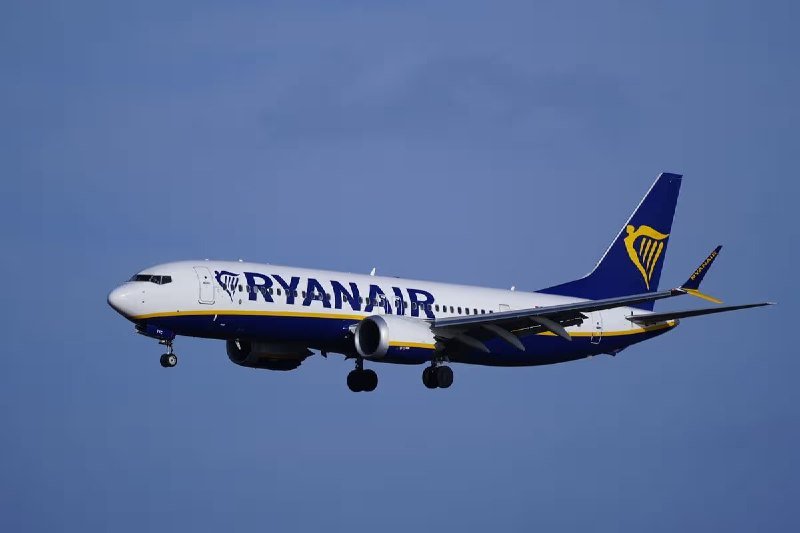
Reports emerging from the Strait of Hormuz on April 18, 2026, indicate that Iranian naval forces executed a coordinated operation against commercial shipping, reversing an earlier decision to permit vessel transit through the critical waterway. According to initial accounts compiled by maritime OSINT analysts, one commercial vessel sustained damage from an unidentified projectile while a tanker was separately targeted by IRGC gunboats in the strategic corridor that channels approximately 20-25 percent of global oil trade. Iran's Islamic Revolutionary Guard Corps stated that the action was taken in response to what state media characterized as "US piracy under guise of blockade," framing the operation as defensive rather than aggressive. The timing coincides with intensified sanctions pressure and diplomatic isolation that observers describe as part of a broader US strategy of "maximum pressure" that Tehran argues has rendered diplomatic engagement futile.
The targeting of commercial vessels in the Strait of Hormuz represents not merely a tactical maneuver but a deliberate signal embedded within Iran's evolving strategic doctrine, one that transforms the waterway from a transit corridor into what analysts describe as a "permanent strategic asset." This framing, articulated in an analysis published by Press TV on April 18, suggests that Tehran has shifted from earlier diplomatic postures to a position grounded in rational power-maximization logic. The Hormuz operation thus functions not simply as a response to immediate provocation but as a declaration of intent: Iran will leverage its geographic position to impose costs on those who impose costs on Iran. States facing sustained external pressure through economic coercion tend to resort to asymmetric countermeasures that exploit their geographic and military advantages. American policymakers have consistently underestimated this logic, preferring to treat Iranian behavior as irrational rather than examining it through the rational-actor model that would render such actions comprehensible, if not acceptable.
Immediate Context: The Anatomy of the Escalation
The sequence of events as reported by The Cradle Media indicates that Iran initially signaled willingness to reopen the Strait to commercial traffic, a gesture that Western analysts interpreted as a potential de-escalation signal. Within hours, however, Iranian authorities reversed course, citing the presence of what they termed "US piracy under the guise of blockade" as justification for resumed operations against vessels attempting passage. The language matters here: by framing US policy as piracy rather than legitimate sanctions enforcement, Tehran invokes a framework of international law that positions Iran as defender of maritime norms against hegemonic overreach. This rhetorical positioning, while obviously self-serving, nonetheless reveals a coherent strategy to delegitimize US regional presence while legitimizing Iranian military action as protective rather than aggressive. The IRGC gunboats' targeting of tankers specifically suggests deliberate targeting of the energy infrastructure that Western economies depend upon, indicating that the operation's purpose extends beyond mere demonstration of capability to actual imposition of economic costs through the credible threat of disruption.
The Structural Frame: Energy Chokepoints and Hegemonic Stability
Understanding the Strait of Hormuz's significance requires situating it within the broader architecture of the global economic order. When Henry Kissinger reportedly observed that control of the Strait represented "the reason we have a Fifth Fleet," he articulated a realist position that understands geographic chokepoints as instruments of geopolitical leverage rather than mere shipping lanes. Iran's operation thus challenges not simply US regional preeminence but the fundamental architecture of American hegemonic stability, which depends upon the ability to guarantee freedom of navigation through waters upon which US allies, particularly Israel and Saudi Arabia, depend for energy exports and import dependency. The targeting of tankers therefore becomes legible not as adventurism but as strategic signaling that Iran possesses the capability and willingness to impose costs on this hegemonic structure, thereby altering the bargaining position in any future negotiations over sanctions relief, nuclear compliance, or regional influence.
Counter-Narratives: Who Defines the Risk?
Western coverage of the incident has predictably emphasized the threat to global energy markets and framed Iranian action as destabilizing aggression against international norms. This framing, however, warrants scrutiny. Coverage consistently presents Iranian actions as unprovoked aggression rather than response to economic warfare that Iran has characterized as an act of war by other means. Stories consistently frame the Strait's significance in terms of Western economic vulnerability rather than examining the legal and moral dimensions of sanctions regimes that Iran argues violate international trade law. This asymmetry shapes not only public understanding but also policy responses that may escalate rather than de-escalate the situation.
The sourcing structure is particularly salient: initial accounts transmitted to the Wall Street Journal by vessels' masters, then relayed through US military officials to wire services, arrived in newsrooms pre-filtered through American official frames. Iranian state media's framing — that the interdiction represented lawful enforcement of transit permissions — receives substantially less prominence than American official characterizations of the action as unlawful harassment.
Forward View: Implications for Regional Stability and Diplomatic Frameworks
The Hormuz escalation arrives at a moment of significant diplomatic fragility, with nuclear negotiations at an impasse and regional actors preparing for scenarios of increased tension. Iran's apparent conclusion that diplomatic engagement yields no concessions has led to a strategic posture premised on demonstrating costs rather than accepting them. The targeting of commercial vessels, while not yet causing the kind of catastrophic disruption that would trigger massive military response, nonetheless establishes a new baseline for Iranian willingness to impose economic costs on Western interests. Whether this represents a calculated signal intended to extract concessions at the negotiating table or the opening moves of a more aggressive campaign remains to be determined, but the trajectory suggests that the Strait of Hormuz will remain a flashpoint for the foreseeable future.
Monexus initially framed this as a shipping disruption story before repositioning it through the lens of structural power competition, reflecting the ongoing challenge of covering geostrategic flashpoints without defaulting to official framing.
Wire provenance
This editorial synthesis draws on the following public wire/social posts:
- https://t.me/osinttechnical
- https://t.me/PressTV
- https://t.me/thecradlemedia