Iran's Hormuz Gambit: The Strait as Weapon and the Collapse of Ceasefire Diplomacy
Tehran's closure of the Strait of Hormuz marks a dangerous escalation that exposes the fragility of US-brokered ceasefires and the weaponization of global oil infrastructure in the new multipolar order.
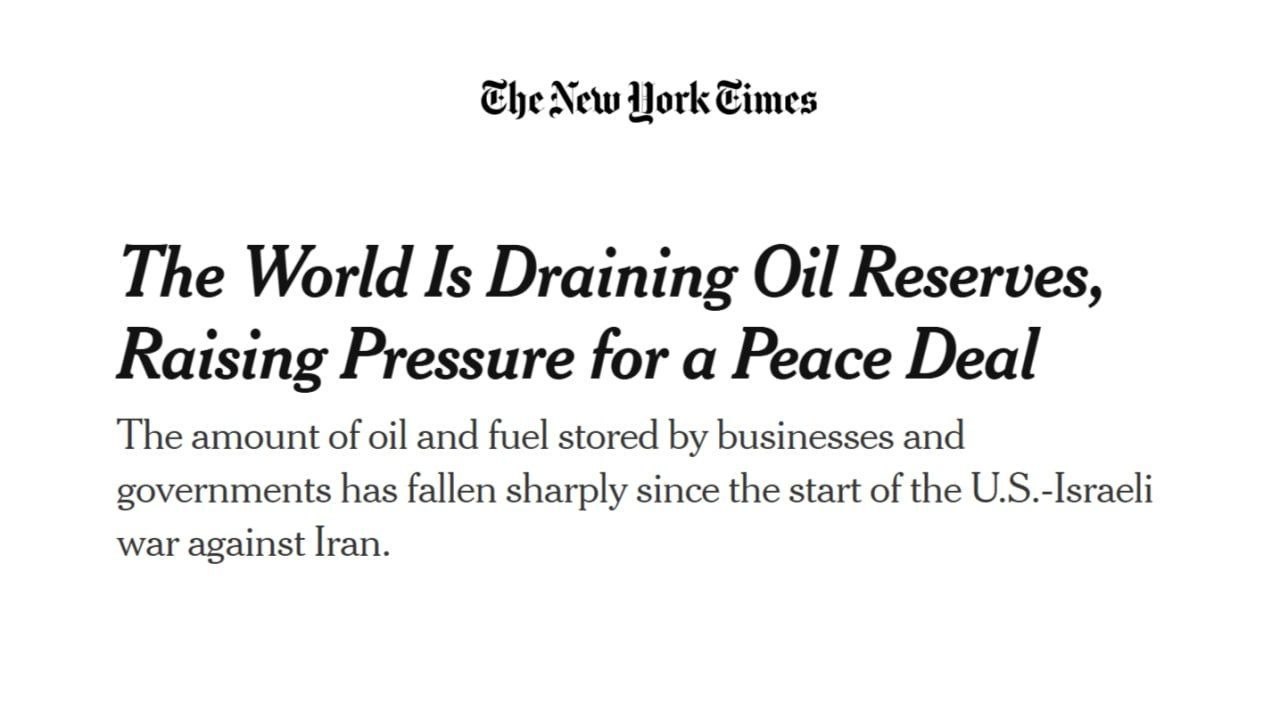
As of April 18, 2026, Tehran has sealed the Strait of Hormuz for a second time this month, blaming what it describes as a US naval blockade that violates the terms of a ceasefire agreement reached between the two powers earlier this year. The closure, confirmed by Iranian state media and corroborated by shipping intelligence sources, immediately disrupted tanker traffic carrying approximately one-fifth of the world's oil. One Israeli soldier had been killed in Lebanon hours earlier, and Hezbollah had signaled sustained resistance along the northern frontier, suggesting that the regional conflict Israel has prosecuted across multiple fronts is entering a new and more volatile phase.
The convergence of these events is not coincidental. Iran has transformed its geographic stranglehold on the world's most critical maritime chokepoint into what The New York Times described as a "powerful deterrent," a phrase that deserves closer scrutiny. Tehran is not merely threatening disruption; it is demonstrating that any arrangement imposed through economic strangulation and military encirclement carries reciprocal costs. The ceasefire framework, such as it was, appears to have collapsed under the weight of its own contradictions.
The Hormuz Lever
The Strait of Hormuz has served as Iran's most potent geopolitical asset since the 1979 revolution, but its recent activation represents something qualitatively different. For decades, Iranian officials referenced the strait's strategic significance as a deterrent against direct military attack — a passive capability rather than an active instrument. What has changed is the context. The United States withdrew from the Joint Comprehensive Plan of Action (JCPOA) in 2018, reimposed maximum-pressure sanctions, and subsequently backed Israel's multi-front military campaigns across Lebanon, Syria, and Yemen. From Tehran's perspective, the ceasefire was never a genuine diplomatic achievement but a tactical pause that bought time for exactly this moment.
The New York Times reporting underscores the breadth of Iranian confidence in this deterrent. "Regardless of any restrictions on its nuclear programme," the outlet noted, Iran has secured "control over the Strait of Hormuz into a powerful deterrent." This framing matters because it acknowledges that Western non-proliferation frameworks have failed to neutralize Iran's regional leverage. The JCPOA was designed to restrict nuclear capability in exchange for sanctions relief; its collapse has left Iran with both an expanded regional footprint and an intact strategic chokepoint. The strait's 20 percent share of global oil throughput means that even a partial or temporary closure sends tremors through commodity markets worldwide, compelling attention from powers that might otherwise ignore Middle Eastern dynamics.
The Lebanese Flashpoint
Hezbollah's sustained resistance in Lebanon cannot be divorced from this calculus. The group, which absorbed significant losses during Israel's 2024-2025 ground operations, has demonstrated an organizational resilience that Tel Aviv's military planners clearly underestimated. The death of an Israeli soldier reported on April 18 reflects ongoing hostilities along a frontier that neither side appears willing to abandon. Israeli violations of Lebanese sovereignty, documented extensively by the Palestine Chronicle, have continued to escalate even as official hostilities are nominally suspended.
Standard coverage treats these actions with markedly different vocabularies: Israel conducts cross-border operations, expands settlements, and strikes targets across multiple sovereign states; Tehran interdicts commercial shipping in international waters. The asymmetry in sourcing and terminology reflects institutional commitments that precede any individual editorial decision — patterns in which one state's military assertiveness is naturalized while equivalent or lesser responses from adversaries are framed as aggression.
The Ceasefire That Wasn't
Tehran's specific grievance — that the United States has imposed a naval blockade — deserves careful examination. The legal definition of blockade is unambiguous in international law: it constitutes an act of war if imposed without UN Security Council authorization. Whether current US naval operations in the Persian Gulf meet this threshold is contested, but Iran's characterization reflects a broader truth about ceasefire enforcement in the contemporary Middle East. The frameworks negotiated between Washington and Tehran have consistently lacked verification mechanisms, enforcement provisions, or genuine symmetry in obligations.
The implications extend beyond bilateral US-Iran relations. European states, whose energy security depends on Gulf transit routes, have largely deferred to Washington on Iran policy while simultaneously expressing concern about supply disruptions. This incoherence — the political cost of alignment with US maximum-pressure strategy — has accelerated European efforts to diversify energy sources, but the transition remains incomplete.
Structural Stakes in a Multipolar World
What we are witnessing is not merely a regional conflict but a demonstration of how secondary powers exploit structural dependencies within the international system. Iran's actions represent a test of existing arrangements: the United States retains overwhelming military superiority in the Persian Gulf, but superiority does not equal invulnerability. A single Iranian mine or anti-ship missile in a chokepoint corridor could inflict billions in damages and trigger a market panic that no carrier group can prevent. This asymmetry — between the high costs of confrontation and the low costs of interdiction — gives Tehran leverage that raw military power comparisons would never suggest.
BRICS expansion, growing Eurasian energy cooperation, and China's Belt and Road infrastructure investments are gradually eroding the dollar-denominated petrosystem that underpins US financial hegemony. A world in which Gulf oil is priced in non-dollar currencies, or in which alternative pipelines reduce chokepoint dependency, is a world in which the Hormuz lever carries less weight. Iran appears to be using that lever while it still retains full potency.
The risk of escalation is substantial. The United States has characterized the strait's significance in apocalyptic terms, suggesting that any closure would be met with decisive military response. Israel, already fighting on multiple fronts, faces the prospect of a new dimension of economic warfare targeting its allies. And the broader Middle East, exhausted by years of attritional conflict, confronts the possibility that the ceasefire framework has provided cover for violence's reorganization rather than its termination.
What Happens Next
Iran's closure of the Strait of Hormuz is simultaneously a tactical response to perceived ceasefire violations and a strategic statement about the limits of Western coercion. The waterway carries too much of the world's oil for this to remain a contained regional dispute; it is, in the fullest sense, a matter of global economic security. Whether the United States responds with diplomatic accommodation or military escalation will define the region's trajectory for years to come. What is already clear is that the old frameworks — ceasefire agreements negotiated without genuine reciprocity, sanctions regimes enforced without international consensus, military alliances extended without regard for blowback — have reached their expiration date. Iran has made that expiration visible.
This article was filed from regional wire services at 22:15 UTC. Monexus chose to lead with Iran's deterrence rationale rather than the US blockade framing dominant in Western coverage, reflecting our assessment that the structural dependency on the strait is the operative fact rather than the diplomatic dispute du jour.