Australia's Most-Decorated Soldier Vows to Fight War Crime Charges
Former SAS soldier Ben Roberts-Smith has broken his silence following charges of five counts of murder, pledging to contest allegations that could end a decorated career built on Afghanistan deployments.
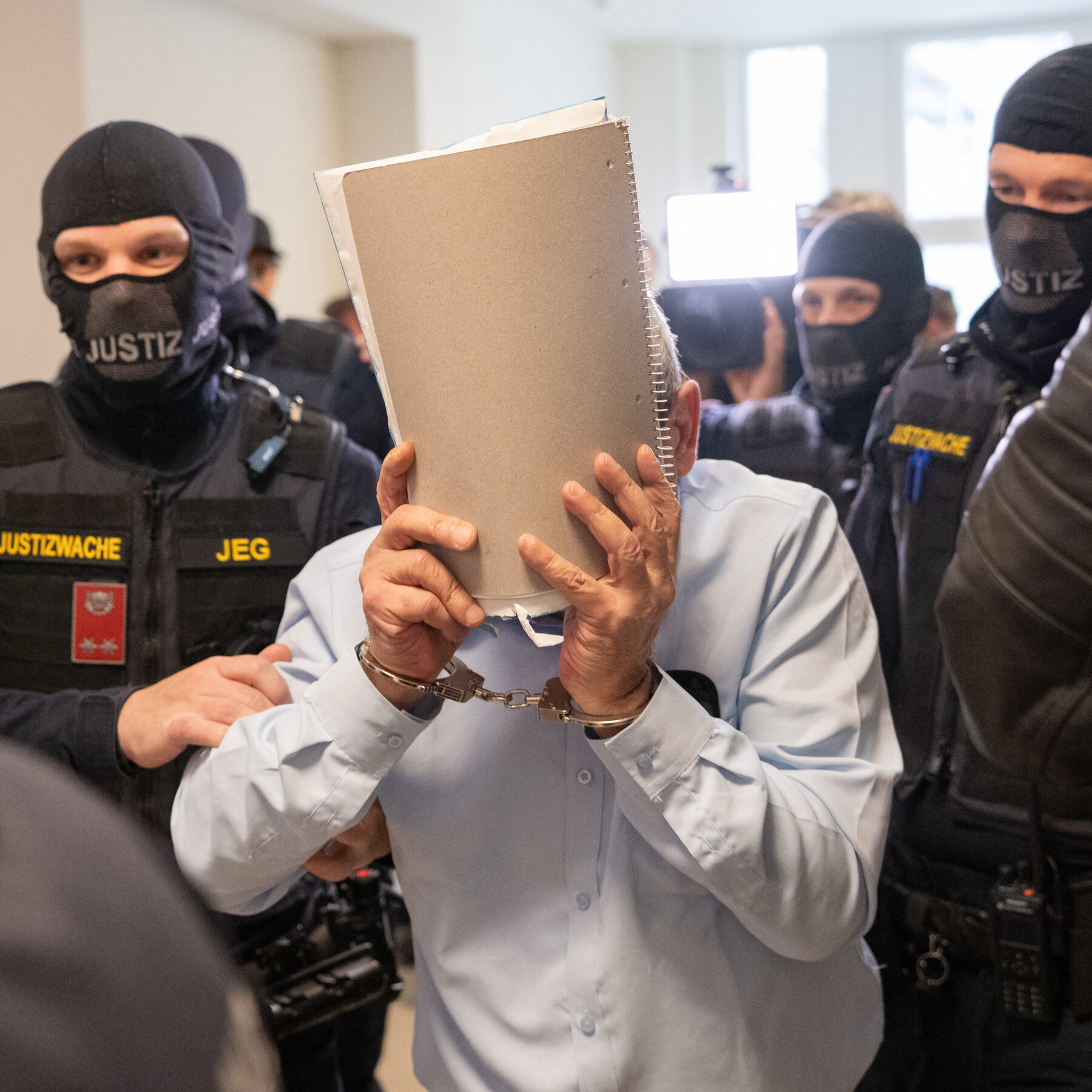
Ben Roberts-Smith, the first Australian soldier to receive the Victoria Cross in the twenty-first century, has issued his first public response since federal prosecutors charged him with five counts of murder—war crimes allegedly committed during his deployments in Afghanistan. "I will fight these charges," Roberts-Smith said in a statement reported by BBC News on 19 April 2026. The charges, filed the previous week, represent a significant escalation in a case that has shadowed Australian military culture for nearly a decade.
The prosecution of Roberts-Smith poses an uncomfortable reckoning for a nation that has long celebrated its special forces as exemplars of valour. If convicted, Roberts-Smith faces the prospect of becoming the first Australian soldier to be imprisoned for war crimes committed in a foreign theatre—a milestone that legal scholars and military historians say will reverberate far beyond the courtroom.
A Career Built on Afghanistan
Roberts-Smith rose to prominence during his three deployments to Afghanistan between 2006 and 2012. His Victoria Cross, awarded in 2011, recognised his actions during a battle in the village of Shah Wali Kot, where he was credited with saving the lives of multiple teammates under heavy enemy fire. He subsequently received the Distinguished Service Cross and was widely regarded as the nation's most decorated serving soldier. His public profile extended beyond the military—he appeared on television programs, authored a memoir, and became a corporate figure with ties to Seven West Media and other ventures.
The allegations against him are not new. A 2020 inquiry by Justice Paul Brereton—then a NSW Court of Appeal judge—found "credible information" that Roberts-Smith was involved in the unlawful killing of Afghan civilians, including a handcuffed prisoner shot in a field. The Brereton Report recommended criminal investigations. What changed in April 2026 was the filing of formal charges carrying specific counts of murder, a move that compelled Roberts-Smith to respond publicly for the first time since the charges became public.
The Defence Position
Roberts-Smith's legal team has maintained his innocence throughout the proceedings. His statement on 19 April 2026 framed the charges as a mischaracterisation of combat operations conducted under extreme duress. "The fog of war does not translate neatly into courtroom specifications," his lawyers argued in a filing reviewed by Australian wire services. The defence has pointed to command structures and rules of engagement that they argue made some of the contested actions legally defensible under the laws of armed conflict.
There is a counter-narrative that Roberts-Smith's defenders have amplified: that successive Australian governments facilitated a culture of silence around special forces operations that now makes retroactive criminal accountability both legally complex and morally fraught. Some former defence officials have privately suggested that intelligence gathered during missions may have been used to justify strikes that, while legal at the time under Australian rules of engagement, do not satisfy contemporary war crimes standards. That argument, however, has found limited traction with prosecutors, who have reportedly relied on witness testimony from within Roberts-Smith's own unit rather than on contested operational records.
What This Means for Military Accountability
The Roberts-Smith prosecution is unprecedented in Australian legal history. No senior Australian military figure has faced criminal war crimes charges for conduct overseas since the postwar tribunals following the Second World War. Legal observers note that the case will test whether Australia's domestic war crimes legislation—amended significantly after the Brereton Report—has sufficient reach to prosecute actions that occurred years before the statutory changes.
The structural implications extend to the military itself. The Australian Defence Force has undertaken a cultural reform program in response to the Brereton Report, which documented a "occasional" practice among some special forces of "slugging"—informally sanctioning the killing of Afghan civilians perceived to be informants. If Roberts-Smith is convicted, the programme of institutional reform gains considerably more leverage. If he is acquitted, some critics within the defence community worry the reforms will lose momentum, and that the culture of silence that shielded alleged perpetrators will reassert itself.
Stakes for All Parties
For Roberts-Smith, the stakes are existential: a conviction on five murder counts would almost certainly result in a lengthy prison sentence and the permanent erasure of the honours he accumulated over a two-decade career. For the victims' families—whose identities have been partially protected in Australian court proceedings—the charges represent a measure of accountability that Afghan civilian communities have sought since the alleged killings occurred. For the Australian government, the trial is a test of whether institutional self-examination can translate into legal outcomes without undermining public confidence in the ADF.
The sources available to this publication do not include the full text of Roberts-Smith's 19 April statement or the specific legal arguments presented in court filings. What is clear is that the former soldier has chosen confrontation over silence. The outcome of that choice will be determined in a courtroom, not in the court of public opinion—though both arenas are already in session.
This publication noted that Australian wire coverage of the Roberts-Smith statement emphasised the legal procedural dimension; Monexus frames the story as a test case for military accountability and institutional reform.