Bengals Bet on Lawrence as Giants Double Down on Draft Capital
Cincinnati's acquisition of Dexter Lawrence signals a win-now posture around Joe Burrow, while New York amasses premium draft picks in a strategy calibrated for a longer rebuild.
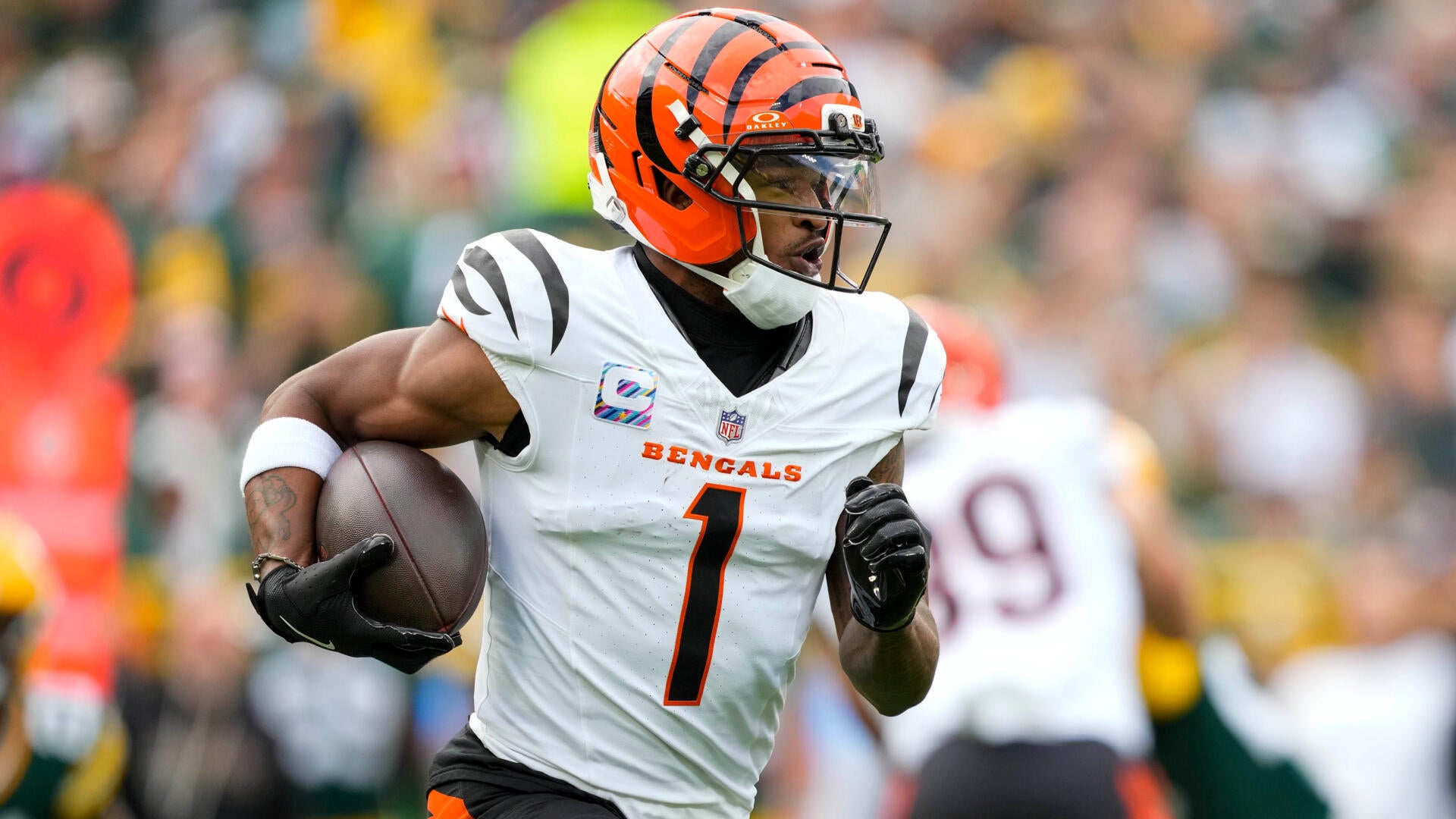
The New York Giants traded defensive tackle Dexter Lawrence to the Cincinnati Bengals on 18 April 2026, sending a top-10 pick back to Cincinnati in one of the most consequential deadline moves in recent NFL memory. The deal, confirmed by ESPN sources shortly after midnight UTC on 19 April, gives the Bengals one of the league's most disruptive interior defenders at a moment when Joe Burrow's window for contention has never been wider.
Cincinnati entered free agency having already added multiple defensive pieces. The Lawrence acquisition is the largest statement yet that the franchise views itself as a championship-caliber team in the present tense, not a speculative one. By surrendering the No. 10 overall pick in next week's NFL Draft, the Bengals are betting that a 23-year-old All-Pro can close the remaining gap between a team that reached the AFC Championship in January and one that finishes the job.
What the Trade Actually Says About the Bengals
The immediate framing from Cincinnati's perspective is straightforward: the offensive infrastructure around Burrow is elite, and the defense needed one more transformative piece. Lawrence, listed at 6-foot-4 and 342 pounds, has been a consistent interior presence for the Giants since New York drafted him 17th overall in 2019. He posted 52 tackles and two sacks in 2025, a season interrupted by a Lisfranc injury that cost him five games. When healthy, he is a top-10 talent at his position, according to multiple league scouts cited in ESPN's analysis.
What matters most for Cincinnati is what Lawrence does against the run. The Bengals finished 2025 ranked 22nd in rushing yards allowed per game. In a conference where Kansas City and Baltimore both feature physically dominant ground games, interior defense is not a luxury — it is the first line of the playoff bracket. CBS Sports noted that the move sends "a clear message to the rest of the NFL" about maximizing Burrow's prime years.
The counter-reading is equally available. The Bengals are surrendering the tenth selection in a draft class that several scouts have called historically deep on the defensive line. Abdul Carter, who played at Penn State, is widely projected to be available in that range. For a team that has not selected in the top 10 since 2021, the opportunity cost is real.
Why the Giants Are Selling at This Moment
New York's calculus is almost the inverse. General manager Joe Schoen has been clear in public remarks that the roster requires a multi-year reset. The Giants won seven games in 2025 and finished third in the NFC East. Trading Lawrence, who turns 25 in November, at peak trade value — before his contract extension kicks in — is exactly the kind of asset monetization that rebuilding teams execute when the calendar cooperates.
The Giants now hold two picks in the top 10 of the 2026 draft. They possess their own selection and, following this deal, the Bengals' pick. CBS Sports reported that New York added the No. 10 overall selection specifically to accumulate premium draft capital. That positioning matters because drafts are won in the top half of the first round. The cost of a top-10 pick — in slot value, in guaranteed money, in media expectations — is manageable for a franchise that has learned to absorb them.
What remains uncertain is whether New York intends to use both picks on draft weekend or flip one for additional mid-round inventory. NFL draft history suggests teams that accumulate picks in this range tend to package them for established players, though the current market for interior linemen post-Lawrence may price that option out.
The Trade Market and What Comes Next
The Lawrence transaction lands five days before the 2026 Draft begins, which is not coincidental. Front offices across the league are finalizing board rankings and trade-down conversations right now. A deal of this magnitude — a confirmed top-10 talent moving for a confirmed top-10 pick — recalibrates the entire draft board above and below the tenth position.
ESPN analyst Bill Barnwell identified the trade market itself as one of four central takeaways from the move. The willingness of a contender like Cincinnati to pay full retail on a premium draft asset suggests that the market for elite defensive talent remains elevated, even as the quarterback economy continues to consume salary-cap space across the league.
The Giants, for their part, have created optionality. Whether they draft two players in the top 10, trade down from one or both slots, or execute a third transaction before or during the draft, they now have leverage that did not exist on 17 April. Lawrence is gone. The tenth pick is in-house. The rebuild continues.
The broader structural pattern here is not unique to these two franchises. NFL parity — real, enforced, draft-driven parity — means that teams oscillate between buying and selling on a tighter cycle than in any other major North American professional league. A team that is one player short of a Super Bowl run is ascribable to a specific, identifiable roster window. The Bengals believe Lawrence narrows that window. The Giants believe the draft does.
The Stakes After 30 April
If Lawrence stays healthy and the Bengals' defense converts from league-average to above-average against the run, Cincinnati enters 2026 as a genuine top-four AFC contender. Burrow will be 28. Wide receivers Ja'Marr Chase and Tee Higgins are both under contract. The offensive line, upgraded in free agency, gives him time. Lawrence gives the defensive coordinator something to build a game plan around in January.
If he does not stay healthy — or if the tenth pick becomes a player who contributes sooner than expected — the trade recedes into the category of sensible but not transformative. The Giants, meanwhile, will be watching from a distance that shrinks or grows depending entirely on what they do with their newly acquired draft capital.
Five days until the draft. Both teams have decisions to make. The Lawrence trade is the opening move, not the last one.
This publication noted the CBS Sports framing emphasized the "shocking" nature of the move, while ESPN's analysis focused on trade-market mechanics and draft-class implications — two legitimate lenses that illuminate different facets of the same transaction.