Bitcoin Swings on Hormuz Volatility as Iran's Strait Reversal Tests Crypto's Claim to Independence
Bitcoin's sharp drop below $76,000 on 19 April — after briefly reaching $78,000 just two days earlier — maps directly onto Iran's rapid reversal on Strait of Hormuz transit, raising pointed questions about whether the market has truly decoupled from energy geopolitics.
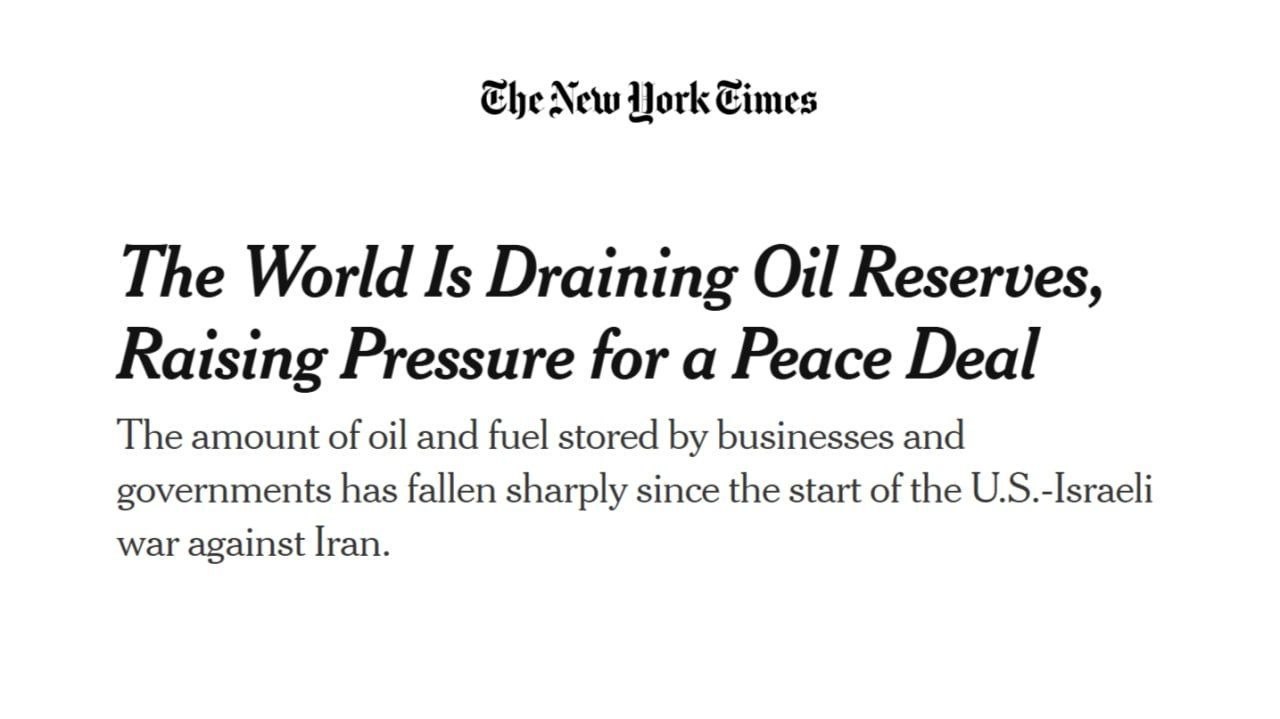
Bitcoin dropped below $76,000 on 19 April as reports of renewed tension in the Strait of Hormuz reversed a brief market rally that had pushed the cryptocurrency above $78,000 forty-eight hours earlier. The swing — roughly four percent in a single session — illustrated that even in a market that has spent years arguing its own logic is independent of traditional financial flows, geopolitical shock at a critical energy chokepoint still registers immediately in crypto portfolios.
On 17 April, Iran's foreign minister announced the Strait of Hormuz would remain open for the remainder of the ceasefire between the United States, Israel, and Iran. Oil futures fell ten percent. Bitcoin climbed. By the morning of 18 April, it had reached $78,000 before retreating as initial reports suggested Iran had reversed its position and shut the strait again — triggering what traders described as one of the largest short squeezes of the year, with $593 million in bearish positions liquidated overnight. By 19 April, bitcoin had fallen back toward $75,000 as a fresh round of Hormuz-related coverage dominated financial wires.
The reversal was swift enough that it overwhelmed the most optimistic claims about crypto's structural independence. But the market that produced those $78,000 highs was not simply a passive respondent to Iran's policy statements. The short squeeze that followed the initial Hormuz announcement showed significant speculative momentum already in place. The question the reversal raises is not whether crypto can move independently from oil — it demonstrably does, most of the time — but whether that independence holds when a geopolitical tail risk materialises in a market segment that intersects with both energy pricing and broader risk appetite.
Some analysts have argued the Hormuz episode demonstrates that crypto has matured into an asset class with its own logic. Bitcoin's rally following the ceasefire framework's announcement, the reasoning goes, shows that investors now evaluate the cryptocurrency on its own technical and monetary merits rather than as a proxy for commodity exposure. On this view, the brief surge to $78,000 reflected genuine confidence in crypto infrastructure, not simply a risk-on bounce following lower oil prices.
The price data, however, tells a more complicated story. Bitcoin's 19 April drop of approximately four percent coincided with a broad crypto selloff that mirrored moves in other risk assets. The symmetry is not conclusive — Iran does not control cryptocurrency infrastructure — but it suggests that when global risk appetite contracts sharply, the lines between asset classes become porous. The short squeeze on 18 April was itself a function of leverage dynamics within the crypto market, not a sign of fundamental decoupling from external pressure.
The structural pattern here is familiar: periods of reduced geopolitical tension produce crypto rallies that get attributed to the asset class's independent merit, while stress events produce selloffs that get attributed to external causes. But market participants have consistently demonstrated that they treat crypto as a risk asset when conditions warrant it, regardless of the long-term narrative about uncoupling. The Hormuz reversal did not cause Bitcoin's drop; it coincided with one. The distinction matters for how traders position, but it matters less for how the broader market actually behaves.
If the Strait of Hormuz remains contested — or if the ceasefire framework that produced last week's brief reopening frays further — the pressure on risk assets will compound. Brent crude and regional crude benchmarks would face upward pressure if the strait's transit were significantly disrupted, given that the waterway carries roughly a fifth of global oil trade. Crypto markets, still absorbing monetary policy uncertainty and the regulatory reorientation underway in several major economies, would face additional headwinds under that scenario.
The immediate outlook for Bitcoin is contingent on whether the ceasefire holds and whether Iran maintains its reported willingness to keep the strait open. What the Hormuz episode has confirmed, however, is that the question crypto advocates have spent years trying to answer — whether the market can truly operate independently of geopolitical shocks — is not a theoretical one. It is a live empirical question, answered in real time whenever a chokepoint in global energy infrastructure becomes a source of tension.
Monexus covered this episode through the lens of market infrastructure and risk-asset behaviour rather than treating Bitcoin as a straightforward geopolitical proxy. The dominant wire framing leaned on the price action as a story about crypto market mechanics; this desk situated that action within the energy geopolitics that set the conditions for the price moves.