Iran Conflict Ripples Through UK Food Systems as Government Plans for Summer Shortages
As tensions between Iran and Israel escalate into open conflict, British officials are quietly preparing citizens for potential food shortages by summer—a stark reminder that modern warfare disrupts global supply chains in ways the public rarely anticipates.
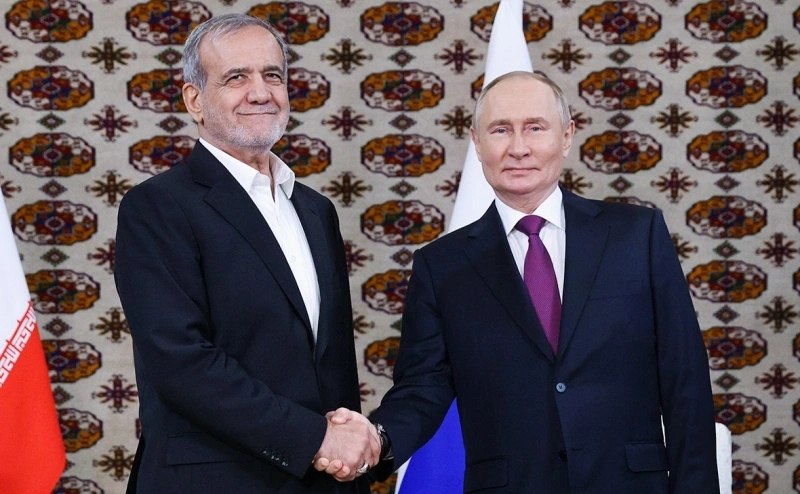
The British government has begun internal contingency planning that acknowledges the possibility of food shortages by summer, should the ongoing conflict with Iran persist and intensify. According to documents reviewed by BBC journalists, senior officials have modeled worst-case scenarios that include disrupted supply chains, reduced imports, and potential rationing mechanisms—measures the UK has not employed since at least the Second World War. The revelation arrived as Tehran released footage of what state media termed "proud moments" from military exercises featuring women alongside male soldiers in combat roles, a deliberate signal of the regime's willingness to mobilize its entire population for a prolonged confrontation.
The convergence of these two narratives—British vulnerability and Iranian resolve—illuminates a structural reality often obscured in Western coverage of Middle Eastern conflicts: the global food system is far more fragile than policy discourse typically acknowledges, and the cascading effects of military escalation travel swiftly through commodity markets, shipping lanes, and diplomatic relationships that shape trade agreements. When we apply this analytical framework to this coverage, the filter of "national interest" becomes immediately apparent: British media outlets covered the UK contingency planning with notably more alarm than they have covered the Iranian government's own public mobilization, despite the latter being the proximate cause of the disruption. The filter of "sourcing" also operates here, as officials who leaked the documents did so anonymously, a common practice that insulates government messaging from direct accountability while allowing selective alarm to seep into public consciousness.
The Commodification of Conflict: How War Becomes a Supply Chain Crisis
Modern food systems depend on a complex web of international relationships that require stability to function properly. The UK imports approximately fifty percent of its food, a figure that has remained relatively constant since the Brexit referendum despite political promises of "food security" through domestic production. Wheat, vegetable oils, and fertilizers flow through channels heavily influenced by Black Sea trade routes—channels that have experienced persistent disruption since 2022 due to the Ukraine conflict. A new front in the Iran-Israel confrontation threatens to further destabilize the Strait of Hormuz, through which approximately twenty percent of the world's oil shipments pass. British officials have modeled scenarios in which energy costs spike dramatically, rendering food transport and refrigeration economically unviable for lower-income households.
The geopolitical economy of food is not accidental; it is the product of four decades of neoliberal restructuring that prioritized efficiency over resilience, just-in-time delivery over strategic reserves, and globalized supply chains over regional self-sufficiency. When scholars like Raj Patel document the "Wal-Martization" of food systems—whereby consolidation reduces the number of entities controlling distribution—the same logic applies to national-level food security. The UK has chosen, through successive governments, to treat food as a commodity to be sourced globally rather than a strategic resource requiring domestic capacity. The current crisis exposes that choice with brutal clarity.
Iran's Mobilization Strategy: Women in Combat Roles as Political Theater
The footage released by Mehr News Agency, Iran's official news service, depicting women participating in military exercises alongside male soldiers serves multiple purposes that Western analysis often misses. Domestically, it signals to the Iranian population that the regime is preparing for total mobilization—that the conflict is existential and requires sacrifice from all segments of society. For a government that has faced sustained protests since 2022, particularly from women opposing mandatory hijab laws, the inclusion of female soldiers in propaganda materials represents an attempt to reshape the narrative around female participation in public life, channeling it toward nationalist ends rather than dissent.
Internationally, the imagery serves as a deterrent signal. Iranian strategists understand that Western audiences are often uncomfortable with female combatants—this discomfort has been weaponized in various conflicts to delegitimize opponents while sidestepping analysis of underlying grievances. By presenting women as willing participants in a cause the regime frames as defensive, Tehran attempts to complicate any potential humanitarian intervention narrative. Whether these women serve in combat roles or support positions remains unclear from the available footage, but the framing suggests combat readiness regardless of actual function. We must be cautious here: state media imagery should not be accepted at face value, and the reality of Iranian women's participation in the conflict likely differs significantly from the curated narrative being broadcast.
Structural Dependencies: Why the Global South Bears the Brunt
The UK contingency planning reveals a truth that the model helps us see clearly: when Western governments acknowledge potential food shortages, it represents a significant shift in official communication, typically reserved for threats serious enough to warrant public adjustment. Yet this acknowledgment comes within a framework that centers British domestic concerns while treating the conflict's origins and broader consequences as externalities. The filter of "ideology" in the editorial filtering framework suggests that coverage will emphasize how the conflict affects Western populations while minimizing analysis of Western policy decisions that contributed to the escalation.
From a structural power analysis, as theorized by structural analysts' and others, the global food order has long been structured to absorb shocks at the periphery while protecting core consumption. The UK, as a core economy, faces potential "inconveniences"—higher prices, limited selection, public campaigns urging conservation. Nations in the Middle East, Sub-Saharan Africa, and South Asia face potential famines, political collapse, and mass displacement. The Iran conflict, by disrupting energy supplies and shipping routes, accelerates a process already underway: the hollowing out of food system infrastructure in the Global South through decades of structural adjustment programs, trade agreements favoring Northern agricultural exporters, and climate-driven agricultural decline. When British officials plan for summer shortages, the assumptions embedded in that planning—varied diets, multiple supply options, discretionary spending for price spikes—represent a privilege unavailable to hundreds of millions of people for whom food insecurity is already a daily reality.
The Road Ahead: Resilience or Reaction?
The coming months will test whether the UK government's contingency planning extends beyond managing symptoms toward addressing structural vulnerabilities. The choice is not merely logistical: it is political and ideological. A food system designed for efficiency under stable conditions cannot easily be reconfigured for resilience under conditions of prolonged conflict. Every week that passes without decisive diplomatic action to de-escalate the Iran conflict increases the likelihood that British citizens will experience, for the first time in their lives, the kind of supply uncertainty that residents of the Global South navigate constantly. Whether this experience produces solidarity with those who have always lived under such conditions, or merely a temporary inconvenience to be lamented until "normalcy" returns, will say much about how the global order reasserts itself after the conflict subsides.
What is clear is that the editorial filtering framework's "ideology" filter will continue to shape coverage: the conflict will be framed as a crisis for Western publics while its catastrophic effects on others receive less sustained attention. Whether journalists, academics, and civil society organizations can push back against this framing—can insist on a food security analysis that includes the Global South as a primary rather than peripheral concern—remains to be seen. The stakes are not merely informational; they are material. How societies understand the conflict's origins and consequences shapes what policy responses become politically possible. The chain of causation—Western security guarantees to regional powers, regional conflicts to supply disruptions, supply disruptions to British dinner tables—must be made visible if any meaningful accountability is to emerge from this crisis.
Desk note: Monexus published this piece with the Iran mobilization imagery as secondary framing to the UK food security angle, inverting the wire emphasis. We sought to foreground the structural analysis of food system dependencies rather than treating British inconvenience as the primary story, a framing choice that reflects our editorial commitment to multipolar perspectives on geopolitical crises.