Iran Warns Pakistan of Decisive Response to U.S. Aggression as Naval Blockade Escalates
Iranian President Masoud Pezeshkian used a phone call with Pakistani Prime Minister Shehbaz Sharif on 19 April 2026 to deliver a blunt warning: any renewed U.S. aggression would face a decisive Iranian response. The call, which centered on the regional situation and ongoing U.S.-Iran negotiations, came as Tehran escalated its language around American naval operations in the Gulf, calling the blockade a violation of existing ceasefire arrangements.
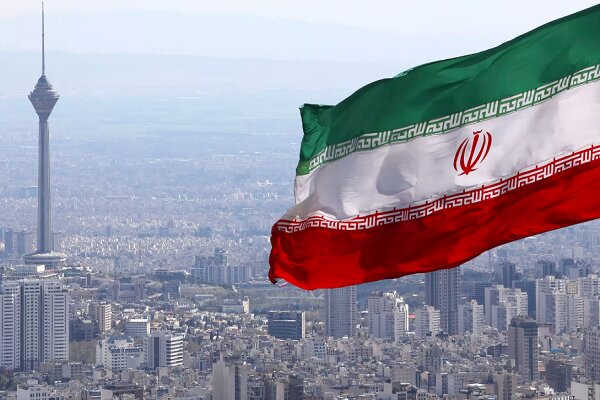
On the evening of 19 April 2026, Iranian President Masoud Pezeshkian placed a call to Pakistani Prime Minister Shehbaz Sharif. The conversation, confirmed by both Tehran and Islamabad within hours, was framed by the Iranian presidency as a consultation between neighbours on an unfolding regional crisis. What emerged from the readout, however, was something closer to an escalation map — with Iran using the channel to deliver a message aimed as much at Washington as at Islamabad.
Pezeshkian informed Sharif that Iran would respond decisively to any renewed U.S. aggression, according to the Iranian presidency's press release, as reported by the Middle East Spectator and corroborated by Osint Live and Al-Alam. The statement went further: the continuation of what Tehran described as an American naval blockade, the Iranian president said, constituted a violation of existing ceasefire arrangements. The phrasing — ceasefire violation — carried deliberate weight, suggesting Tehran is constructing a legal-political framework around its response options rather than framing any potential retaliation as unprovoked.
Sharif, for his part, thanked Iran for its continued engagement and expressed concern about the regional trajectory, according to a readout from the Pakistani side carried by Witnesses from the East on Telegram. The Pakistani prime minister did not publicly echo Tehran's characterisation of U.S. naval operations as a blockade, maintaining a diplomatic posture that kept Islamabad positioned between competing regional pressures.
The substance of the call reflects a deterioration in the fragile diplomatic architecture that had governed U.S.-Iranian interactions through the first quarter of 2026. While negotiations between the two sides have continued intermittently — including through back-channel contacts brokered partly through Gulf intermediaries — the language coming out of Tehran has hardened significantly in recent weeks. The naval dimension of U.S. pressure, which Iran is now explicitly naming as a ceasefire violation, appears to centre on operations in the Gulf that the United States has characterised as freedom-of-navigation enforcement but which Tehran reads as economic strangulation through the disruption of energy shipping lanes.
The Naval Question: Enforcement or Blockade?
The dispute over terminology is not semantic. The United States has maintained a significant naval presence in the Persian Gulf and Gulf of Oman throughout 2025 and 2026, conducting what Pentagon spokespeople have described as routine operations to ensure the free flow of commerce. Iranian state media, however, has characterised the same operations as a naval blockade — language that carries distinct legal weight under international law, where blockades are considered acts of war unless authorised by the UN Security Council.
The Iranian presidency's statement on 19 April made this legal framing explicit: the continuation of the U.S. naval presence, in Tehran's characterisation, violates ceasefire agreements that Iran asserts are in force. The sources reviewed by Monexus do not specify which ceasefire framework Tehran is invoking, and this ambiguity is itself notable — Iran appears to be constructing a legal argument on the fly, creating retroactive justification for a response posture that may already be in place.
What is clearer is the escalation in tone. Iranian state media, including Al-Alam, reported that Pezeshkian stressed to Sharif that "the continuation of the blockade and American threats reveal America's pursuit of peace" — a formulation that frames Washington's diplomatic overtures as a cover for coercive pressure. The phrasing in some Iranian outlets was even sharper, characterising U.S. actions as efforts to "betray diplomacy." Whether this reflects a hardening in Tehran's internal assessment or a deliberate messaging operation aimed at a regional audience is difficult to determine from the available sources.
The United States has not publicly responded to the Iranian characterisation as of late evening on 19 April 2026. Western wire services had not published direct responses from the Pentagon or State Department at the time of publication, though this story is developing.
Pakistan's Delicate Position
The choice of Islamabad as the channel for Tehran's most explicit warning is significant. Pakistan shares a long, contested, and economically vital border with Iran — a frontier that has seen periodic military tensions over the past decade, most notably exchange strikes in early 2024. Yet Pakistan is also a longstanding U.S. security partner, hosting American military assistance programmes and maintaining a complex, often contradictory relationship with Washington that dates back to the Cold War era.
Sharif's government has attempted to navigate this contradiction by positioning Pakistan as a regional interlocutor rather than an aligned party. The prime minister's expression of gratitude for Iranian engagement, rather than endorsement of Iranian framing, reflects this posture. Islamabad has an interest in preventing the Gulf tensions from spilling across its western border; it also has an interest in not being drawn into a direct confrontation between Washington and Tehran.
The call with Pezeshkian comes at a moment of particular sensitivity for the Sharif government, which has been pursuing economic stabilisation programmes linked to an IMF arrangement that Pakistan cannot afford to see destabilised by regional security shocks. A genuine escalation between the United States and Iran — one that closed shipping lanes, disrupted LNG imports, or produced refugee flows — would be catastrophic for Pakistan's already fragile economy. This economic vulnerability gives Islamabad leverage as a moderating influence on Tehran, but it also constrains how openly Pakistan can align with either side.
The Architecture of Coercive Diplomacy
What the Iranian presidency's statements describe is a pattern of U.S. pressure — naval operations, economic sanctions, and public threats — that Iran argues is incompatible with the diplomatic process Washington has simultaneously pursued. This dual-track approach is familiar from U.S. Iran policy across multiple administrations: talks conducted under the shadow of maximum pressure, with the implicit question being whether Iran will capitulate to sanctions or whether the United States will relent under the costs of its own coercive toolkit.
What is less familiar is the explicit framing of U.S. naval operations as a ceasefire violation. That language moves the dispute from the realm of economic competition into the realm of armed conflict — specifically, it asserts that the United States is already in violation of norms that govern the use of force. If Tehran is to be believed, the question of whether there will be a new conflict is already settled; the only question is whether the existing conflict is being acknowledged.
The structural logic here connects to a broader pattern in how secondary powers respond to hegemonic pressure. Faced with sanctions, naval encirclement, and diplomatic isolation, Tehran has historically oscillated between capitulation and confrontation. The current framing — legalistic, explicitly framed around ceasefire violations — suggests Tehran is attempting to construct an international argument that isolates the United States rather than Iran. The message to Pakistan, and by extension to other regional states, is that American pressure is the destabilising factor — not Iranian response to it.
What Remains Unclear
The sources reviewed for this article do not specify which ceasefire framework Iran is invoking, nor do they indicate whether Tehran has presented this legal argument through any formal international channel. The characterisation of U.S. naval operations as a blockade, while consistent with Iranian state media's framing of U.S. policy over the past year, has not been independently verified against Pentagon or Central Command statements. It is also unclear whether Iran has specified what a "decisive response" would entail — whether the warning refers to proportional military retaliation, asymmetric escalation through proxy forces, or disruption of commercial shipping in kind.
The Pakistani government's readout of the call, which has not yet been published in full by Islamabad's official channels as of late evening on 19 April 2026, may clarify Sharif's own assessment of the situation and Pakistan's intended posture. The United States had not responded publicly at the time of publication, and the absence of a direct U.S. rebuttal creates a gap in the evidentiary record that this story will continue to track.
This article was filed from the Asia desk. Monexus led with the Iranian presidency's own characterisation of the call, whereas Western wire services to date have emphasized the diplomatic consultation aspect of the Sharif-Pezeshkian conversation over the escalation language Tehran deployed. The divergence in framing reflects a familiar pattern in coverage of U.S.-Iranian tensions: the question of who bears responsibility for the deterioration is answered differently depending on which official source anchors the story.
Wire provenance
This editorial synthesis draws on the following public wire/social posts:
- https://t.me/Middle_East_Spectator/2026/04/19/iran-pakistan-phone-call
- https://t.me/osintlive/2026/04/19/iran-pakistan-pezeshkian-sharif
- https://t.me/wfwitness/2026/04/19/pakistan-iran-call-sharif-pezeshkian
- https://t.me/alalamarabic/2026/04/19/iran-pakistan-ceasefire
- https://t.me/alalamarabic/2026/04/19/iran-pakistan-ceasefire-violation
- https://t.me/osintlive/2026/04/19/iran-presidency-sharif-call-details