Iran Redirects Two Oil Tankers Through Strait of Hormuz as Naval Standoff With West Intensifies
Iranian naval forces intercepted and redirected two oil tankers transiting the Strait of Hormuz on 19 April 2026, according to reports from Iranian state-aligned media outlets, the latest escalation in an ongoing maritime confrontation that has put global oil markets on notice.
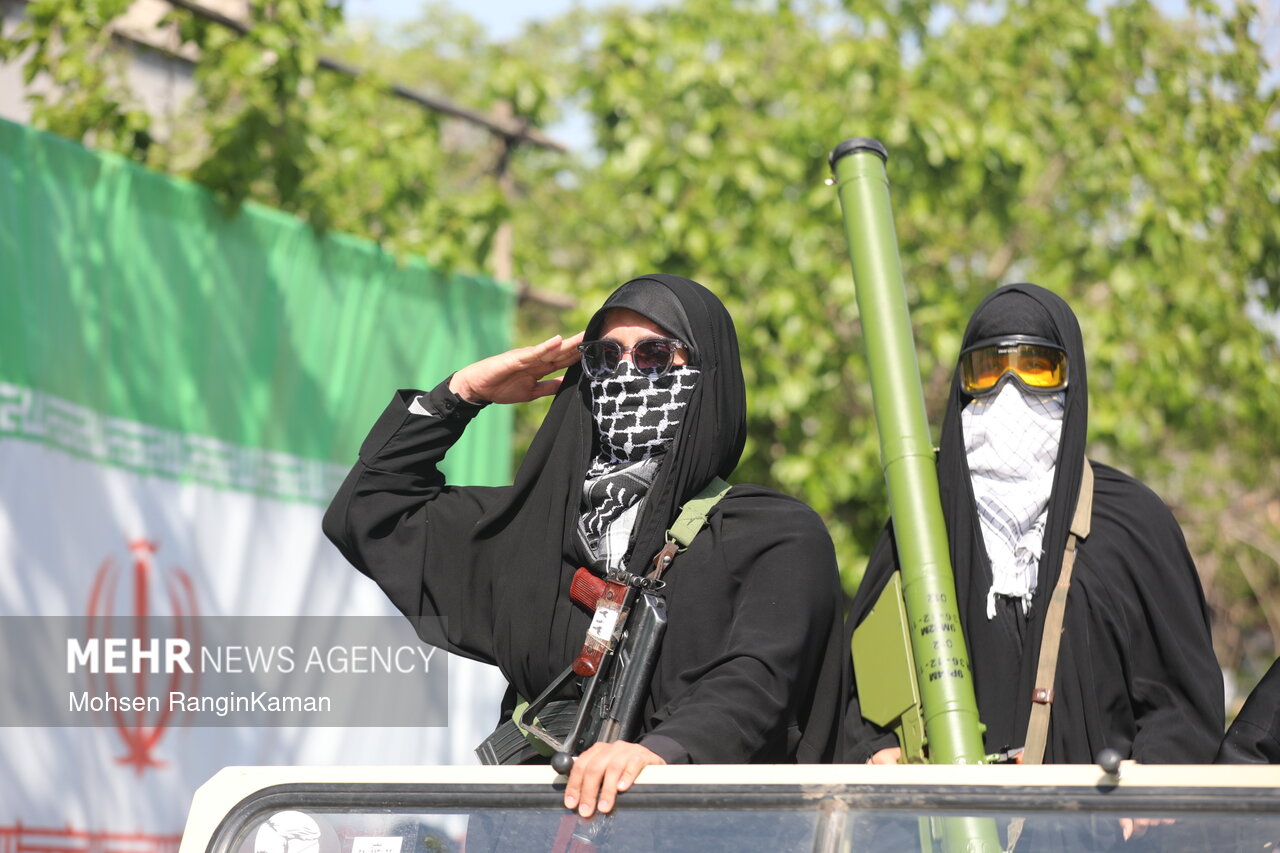
Iranian naval forces intercepted and redirected two oil tankers transiting the Strait of Hormuz on 19 April 2026, the latest episode in an escalating maritime confrontation that has placed one of the world's most critical energy chokepoints under renewed strain.
According to reports from Mehr News Agency and Tasnim News Agency — both operating in alignment with Iranian state positions — armed forces stopped the two vessels, which were sailing under the flags of Botswana and Angola, and forced them to change course while attempting to transit the strategic waterway. The interdiction was carried out, the Iranian reports stated, in continuation of what Tehran describes as a maritime blockade response to Western sanctions pressure and the presence of foreign naval assets in Persian Gulf waters.
The Strait of Hormuz handles roughly 20 to 25 percent of global oil trade and a significant proportion of the world's liquefied natural gas shipments. Any disruption to vessel movement through the waterway carries near-immediate consequences for energy markets and the economies that depend on unfettered Gulf crude exports. The reported interdiction on 19 April marks the latest in a series of similar incidents that have punctuated the past several months of heightened regional tension.
Escalation in Gulf Waters
The interception of the Botswana- and Angola-flagged tankers fits a pattern that regional analysts have watched with growing concern. Iranian maritime forces have, according to statements carried by state-aligned outlets, maintained an active presence designed to challenge what Tehran characterizes as an illegal naval blockade imposed by Western powers. The framing from Iranian officials treats the interdiction of vessels as a proportionate response to external pressure rather than an aggressive act.
The two tankers targeted on 19 April were not among the largest crude carriers operating in the Gulf, but the symbolic and practical choice of vessels flying African flags carries its own message. It signals that no operator — regardless of registry — will pass unchallenged while Tehran views the broader Western posture as hostile. For shippers and insurers, even the risk of interception is sufficient to drive up costs and rerouting decisions that have their own cascading effects on supply chains.
Western governments have not issued public statements corroborating or contesting the specific 19 April incidents as this publication went to press. The absence of immediate official response from the United States, the United Kingdom, or other maritime security stakeholders does not indicate inaction; it reflects, more likely, a decision calculus about whether public acknowledgment serves strategic objectives or inadvertently normalizes the Iranian framing of a bilateral maritime confrontation.
Counter-Narrative and Verification Caveats
Monexus was unable to independently verify the Iranian reports through Western wire services, independent maritime tracking databases, or statements from the flag states of Botswana and Angola before publication. The accounts cited here originate from Iranian state-aligned media outlets — Mehr News Agency, Press TV, and Tasnim News Agency — which operate within a political context that shapes editorial framing.
That does not mean the interdictions did not occur. Naval incidents in the Gulf are routinely tracked by the U.S. Fifth Fleet and allied maritime coordination centers, and Western governments will likely address the incidents through diplomatic channels or public statements in the coming days. But a publication operating without a full independent corroboration ledger would be failing its readers if it presented the Iranian accounts as confirmed facts rather than reported claims.
The counter-narrative from Western-aligned perspectives typically frames Iranian maritime actions as destabilizing provocations that threaten freedom of navigation — a principle codified in international maritime law — rather than legitimate responses to external pressure. The tension between those two framings is not semantic. It shapes how governments, courts, insurers, and navies calculate their next moves.
The Broader Pattern: Energy Security as Political Weapon
What the 19 April incidents illustrate, if the reports hold up to scrutiny, is the degree to which the Strait of Hormuz has become a venue for coercive signaling short of outright conflict. Tehran has neither the naval capacity nor the strategic interest to close the strait entirely — doing so would provoke a response that Iran cannot afford and would alienate the very Asian customers whose purchases keep the sanctions-stressed oil sector viable. What Iran can do, and has done with increasing frequency, is selectively enforce its maritime posture through interdiction, harassment, and the periodic boarding of vessels.
This incremental approach serves several purposes simultaneously. It demonstrates capability and willingness to act. It raises the risk premium for all shippers, pushing up insurance costs and freight rates in ways that hurt consumer economies far from the Gulf. It signals to Western capitals that the pressure campaign carries its own costs. And it positions Iran, in its own telling, as a defender of sovereign rights rather than an aggressor in international waters.
The structural dynamic is not new. Contested waterways have served as arenas for great-power and regional-power signaling for as long as maritime trade has existed. What has changed is the urgency: years of cumulative sanctions, the collapse of the Iran nuclear deal's economic provisions, and the hardening of positions on all sides have left less diplomatic margin and more temptation to test limits.
What Comes Next
The immediate stakes are operational. Shipowners, charterers, and marine insurers will be watching for further Iranian interdictions and for any signal from Washington, London, or Brussels about how the international community intends to protect freedom of navigation in practice rather than principle. A single incident does not constitute a pattern; a pattern, if it emerges, will force decisions that go beyond diplomatic protest notes.
The medium-term stakes are geopolitical. The Trump administration's maximum-pressure campaign on Iran has intensified since early 2026, with new secondary sanctions targeting any entity facilitating Iranian oil exports. Tehran's response has been to escalate along multiple vectors — nuclear signaling, regional militia activity, and maritime pressure — betting that cumulative costs will eventually induce Western capitals to negotiate on terms Tehran finds acceptable. Whether that bet is correct depends on calculations in Washington, Brussels, and Beijing that remain opaque from the outside.
For global energy markets, the Strait of Hormuz remains the central nervous system. Even a modest increase in interdiction risk translates into higher freight costs, tighter supply conditions, and a geopolitical risk premium baked into oil prices that affects households and industries far from the Persian Gulf. The incidents reported on 19 April may prove to be routine maritime posturing. They may also prove to be the opening moves of something more consequential.
Monexus will continue monitoring developments as they are reported and independently verified.
Framing note: This article treats Iranian state-aligned media reports of the interdiction as reported events rather than confirmed facts, given the absence of independent wire or government corroboration at time of publication. The structural analysis of energy security and coercive signaling does not depend on the specific veracity of any single incident.