Kevin Durant's Injury Puts Rockets' Playoff Hopes on Hold
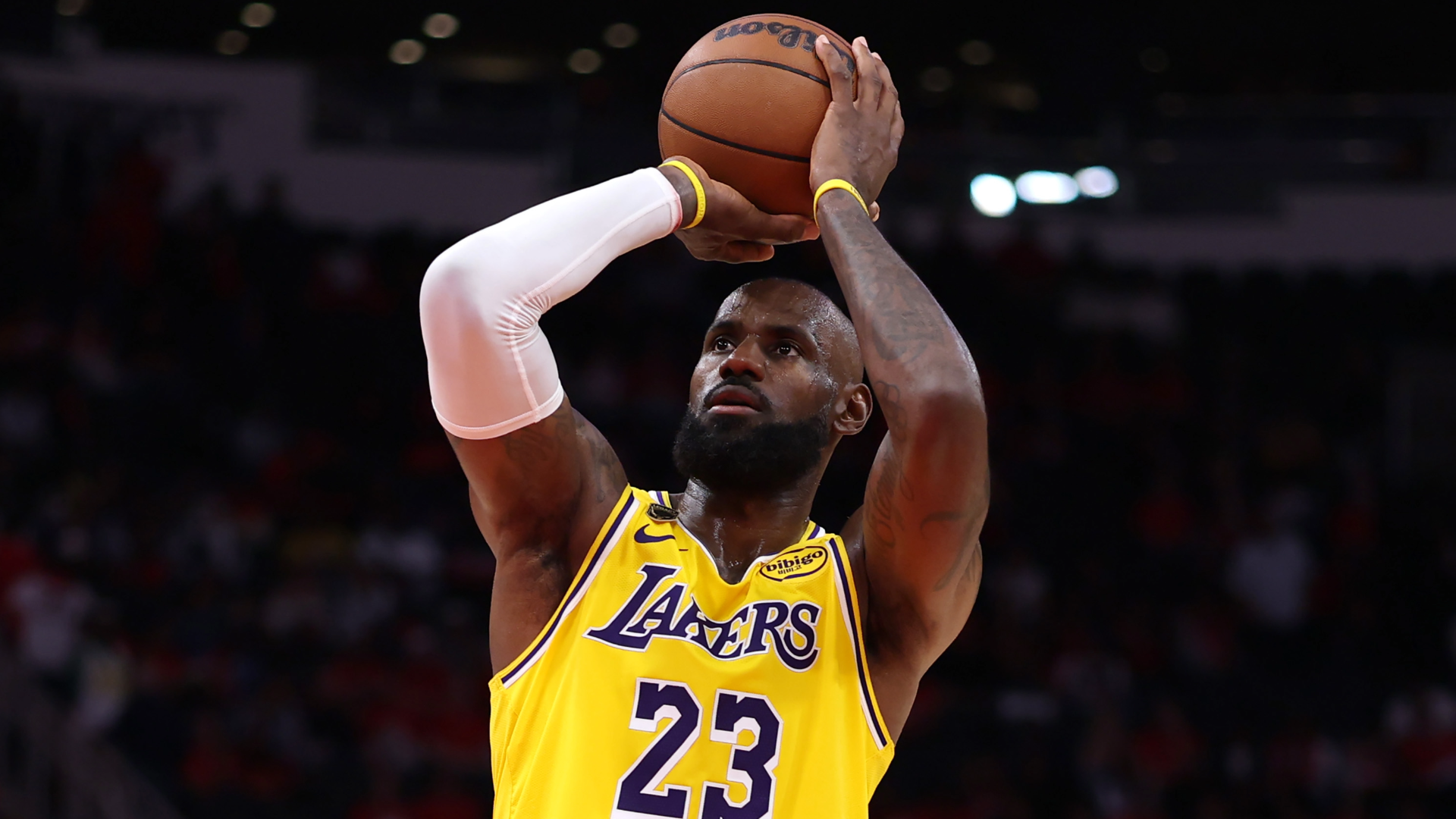
The Los Angeles Lakers opened their first-round playoff series with a 112-98 win over the Houston Rockets at Crypto.com Arena on Saturday, April 19. The scoreline tells half the story. The other half arrived hours before tip-off, when the Rockets ruled Kevin Durant out of Game 1 with a right knee contusion sustained in practice earlier in the week. He was listed as questionable as late as Friday evening, UTC — a window that closed before the basketball did anything interesting.
This is the third consecutive postseason in which Durant's physical condition has arrived as its own subplot. A right knee contusion is, in isolation, manageable. Across a career that now spans nearly two decades and multiple catastrophic injuries, "manageable" has become the league's polite fiction for a body that keeps rewriting the terms of its own participation. Durant finished the 2025-26 regular season averaging 26.3 points per game — third in the league — and Houston built its entire offensive architecture around his presence. Without him, the architecture collapses into something closer to a question mark with a basketball jersey.
The Bracket Breaks Before It Begins
The Western Conference bracket was supposed to offer the most compelling first-round matchup of the 2026 postseason. Instead, the injury report intervened. The Lakers arrived with a defensive game plan calibrated specifically for Durant — how to force him baseline, when to double, which pick-and-roll actions to ice. That preparation does not simply transfer to the Rockets' remaining scorers, who are solid but unspectacular in the way that defines a supporting cast rather than a co-star. The Lakers will almost certainly advance. But they may advance having never played the series that was advertised, which is both convenient for them and hollow for everyone watching.
The injury reshuffles the deck in ways that go beyond one game. Without Durant, Houston loses roughly 27 points per game of guaranteed production and, more dangerously, the positional versatility that makes the Rockets' half-court offense difficult to defend. The coaching staff must now construct a game plan around what they have — not what they planned for. That is the unglamorous work of playoff basketball, and it rarely ends well for the team forced into it unexpectedly.
Houston's All-In Gambit Meets the Injury Report
The Rockets acquired Durant knowing the risks. They traded significant draft capital and young talent to Phoenix in the summer of 2024, betting that a healthy Durant in a playoff series against the Lakers — and potentially against LeBron James — would be appointment viewing and a genuine title contender. That window is now conditional on the same variable that has repeatedly shortened it: Durant's body.
His injury history is not a trend. It is a pattern. He missed the entirety of the 2019-20 season with a ruptured Achilles. He sat out portions of 2021-22 with a knee sprain. The 2024-25 campaign included a calf issue that cost him multiple weeks in the regular season's most competitive stretch. The right knee contusion that ruled him out for Game 1 is not catastrophic in isolation. But it arrives at a moment when Houston cannot afford ambiguity — and when the consequences of ambiguity are measured in playoff series rather than regular-season seeding.
The Economics of Missing the Star
The league has a structural interest in Durant playing. That is not a conspiracy — it is the predictable outcome of an entertainment product that monetizes star visibility. Broadcast deals, streaming subscriptions, and sportsbook engagement all correlate with the presence of recognizable names in high-stakes moments. Durant's late scratch on Saturday, April 19, UTC, was reported by multiple outlets within minutes, and the coverage focused on how the injury reshapes betting lines and matchup predictions for Game 1. That framing is accurate. It is also incomplete.
The same incentive structure that rewards Durant's participation creates pressure for his return. Coaches and front offices manage injury disclosures carefully — the line between "questionable" and "out" is not purely medical. The Rockets' decision to rule Durant out rather than push him toward availability reflects a degree of caution that is not always present across the league. That caution deserves credit, even if it comes at the cost of a more compelling opening act.
What Comes Next Is Less Clear Than the Scoreboard
For the Lakers, Durant's absence simplifies and complicates simultaneously. Simplified because Houston's offense, without its primary creator, becomes more predictable. The Lakers' defensive game plan can compress toward the Rockets' remaining scorers and dare the supporting cast to generate open looks in a playoff environment — a test that regular-season basketball does not adequately prepare anyone for. Complicated because a blowout win over a Durant-less Rockets team is not meaningful data about how the Lakers would perform in a full series. The real test arrives if and when Durant returns for Game 2. Then the Lakers must adjust on the fly, having built their rhythm against a depleted opponent.
The forward view for the Rockets is straightforward and brutal: they need Durant back, and they need him effective. A prolonged absence would not just end Houston's first-round hopes — it would reopen the question of whether an organization that mortgaged its future on a 37-year-old forward with a deteriorating injury record made the right call. The answer depends entirely on whether Durant can stay on the floor long enough for it to matter.
This article was filed at 10:15 UTC, April 19. The major wire outlets led with Durant's status and the immediate betting-line reaction. Monexus is interested in what the injury says about the structural dependency of playoff narratives on the availability of individual stars — and what happens to the product when that availability becomes unreliable.