U.S. Navy Boarded Iranian Cargo Ship in Gulf of Oman, Trump Says
U.S. naval forces boarded and seized an Iranian cargo vessel in the Gulf of Oman on 19 April 2026, according to a Truth Social post by President Donald Trump, marking a significant escalation in the ongoing enforcement of American sanctions against Tehran.
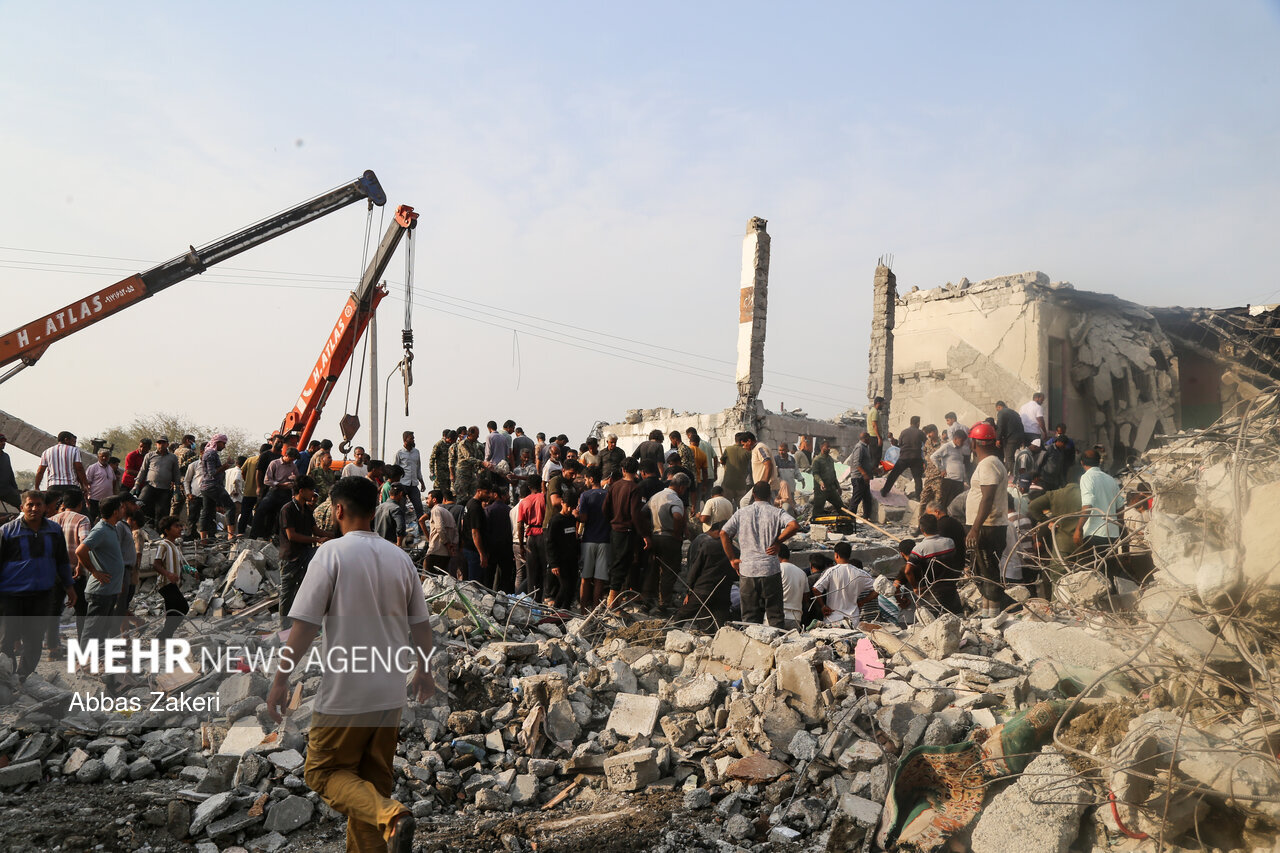
On 19 April 2026, U.S. naval forces boarded and seized an Iranian-flagged cargo vessel in the Gulf of Oman after it ignored warnings and attempted to pass through an American-enforced naval blockade, according to a post published on Truth Social by President Donald J. Trump.
The vessel, identified as the TOUSKA, is described by Trump as nearly 900 feet long and weighing almost as much as an aircraft carrier. The interception represents the most direct physical confrontation between U.S. naval forces and an Iranian commercial vessel since the Trump administration began tightening enforcement of its maximum-pressure sanctions regime against Tehran earlier this year.
What happened in the Gulf of Oman
According to multipleOSINT channels monitoring the confrontation in real time, U.S. naval personnel struck and boarded the TOUSKA after the vessel attempted to run the blockade restricting traffic originating from Iranian ports and offshore berthing areas. Trump characterised the outcome bluntly in his Truth Social post: the vessel "tried to get past our Naval Blockade, and it did not go well for them."
The Gulf of Oman sits between Oman and Iran, making it one of the world's most strategically contested maritime corridors. It is the primary exit route from the Persian Gulf for tankers carrying crude oil and liquefied gas, and any interdiction of shipping in these waters carries immediate implications for global energy markets and the insurance costs levied on commercial vessels transiting the region.
Iran's response and the question of escalation
Iranian state media, including Mehr News Agency, reported on the same day that an Iranian commercial vessel had come under fire from the U.S. Navy and was forced to retreat back towards Iranian waters. That account frames the incident not as a successful interdiction but as an act of aggression against a merchant ship operating lawfully. The discrepancy between the Iranian characterisation — which presents the TOUSKA as a vessel driven back under fire — and the American framing of a decisive boarding operation illustrates a familiar dynamic in Gulf confrontations: both sides use the same event to construct narratives of resolve and victimhood, and both narratives tend to coexist without resolution in the international press.
The incident follows an escalation in U.S. enforcement posture that has seen American naval assets intercept vessels suspected of carrying Iranian-origin cargo to third-country buyers, a practice that Tehran and its allies have described as a violation of freedom of navigation and Iranian sovereignty.
The structural logic of maritime interdiction as statecraft
The TOUSKA boarding is not an isolated incident but the latest expression of a strategy that has been building for months: the use of naval enforcement as an instrument of economic coercion. The objective is not simply to interdict a specific shipment but to raise the costs and uncertainties of doing business with Iranian ports. Each successful boarding — and its accompanying public announcement — functions simultaneously as a military act and a media operation, designed to discourage not only the vessel that was stopped but the broader network of traders, insurers, and flag-state operators who make Iranian commerce viable.
The blockade framing is significant. It implies a continuous enforcement posture rather than reactive interdiction, and it signals to the market that shipping insurance premiums for vessels with any connection to Iranian ports will remain elevated. The structural logic is that financial architecture, not just naval hardware, is the pressure point: the U.S. is attempting to price Iranian commerce out of the global supply chain by making it structurally uninsurable.
Unresolved questions and what comes next
What the available sources do not specify is the precise naval resource committed to the boarding, the legal justification invoked for intercepting a vessel of this size in international waters, or the cargo the TOUSKA was carrying. Mehr News reported that the vessel retreated towards Iranian waters after coming under fire, suggesting the confrontation was not bloodless on the Iranian side — though the condition of the vessel and any crew injuries remain uncorroborated as of publication.
Whether the boarding itself was coordinated with allied navals operating in the region, or was a unilateral American action, also remains unclear from the available record. The operational and legal dimensions of the interception — who fired first, under what authority the vessel was boarded, and what jurisdiction applies to a cargo ship of this size — are facts that the public record has not yet resolved.
The immediate diplomatic fallout is predictable: Iran will protest through the United Nations and has previously used incidents of this kind to justify intensified operations by regional proxy forces. Tehran has also, on prior occasions, rerouted cargo through third-country intermediaries and shifted flagged operations to less surveilled corridors. Whether the blockade posture is sustainable as a long-term enforcement mechanism — or whether it creates pressure that eventually produces a wider crisis — will depend on how Iran responds the next time a vessel is intercepted and what political calculus drives Tehran's decision-makers in the weeks ahead.
This publication covered the TOUSKA boarding as a direct naval enforcement action with significant implications for the regional balance in the Gulf, framing it alongside the broader sanctions architecture rather than as a standalone episode. Wire coverage tended to lead with the Trump administration's political framing.
Wire provenance
This editorial synthesis draws on the following public wire/social posts:
- https://t.me/clashreport/18642
- https://t.me/osintlive/8924
- https://t.me/Middle_East_Spectator/1248
- https://t.me/GeoPWatch/5571