Elon Musk Fails to Appear Before French Prosecutors in X Probe, Deepfake Investigation Widens
The billionaire failed to attend a formal summons in Paris on 20 April 2026 as French prosecutors investigate allegations that X hosted child sexual abuse material and deepfake content; his former chief executive Linda Yaccarino was also called to testify.
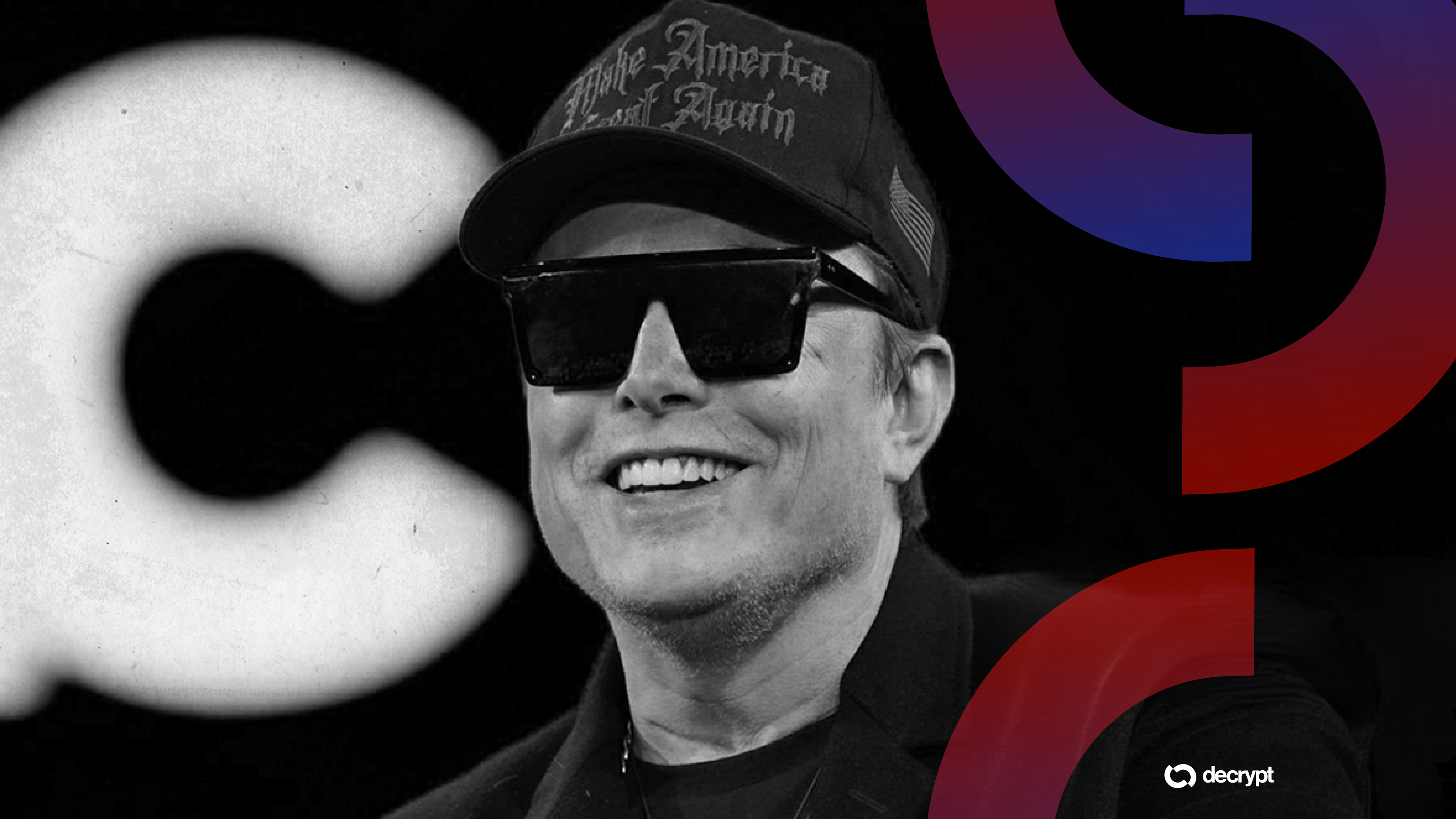
Elon Musk did not appear before French prosecutors on 20 April 2026 despite being formally summoned for an open hearing linked to an investigation into the operations of X, the social media platform he owns. The Paris prosecutor's office confirmed it had "taken note of the absence of the people summoned," a statement that covered both Musk and Linda Yaccarino, his former chief executive, who was also called to testify on the same day. The no-show escalates a standoff between one of the world's most powerful technology figures and a European judicial system that has shown increasing willingness to pursue platform accountability under its own domestic law.
The investigation, led by France's cybercrime unit, centres on allegations that X hosted and distributed child sexual abuse imagery and synthetic deepfake content depicting minors. French investigators opened the probe after evidence emerged suggesting the platform's moderation systems failed to contain known vectors for distributing such material. The formal summons, issued under French judicial procedure, required Musk's physical presence; his non-appearance does not automatically resolve the matter but opens a legal pathway for prosecutors to escalate enforcement options, including potential referral for coercive measures.
The Summons and What the Investigation Targets
Court documents and statements from the Paris prosecutor's office, confirmed by BBC News on 20 April 2026, indicate that the investigation began after French authorities received intelligence from international counterpart services flagging specific content categories on X. The cybercrime unit subsequently built a case file that met the threshold for a formal judicial investigation — a higher evidentiary bar than an initial police inquiry. Under French law, a juge d'instruction (investigating magistrate) can compel testimony and documentation; a failure to comply with a judicial summons carries penalties that range from fines to, in extremis, referral for contempt proceedings.
Yaccarino, who stepped down as X's chief executive in January 2026, was summoned in her personal capacity as a former officer with direct knowledge of the platform's content moderation architecture. Her appearance was sought not merely as a corporate representative but as an individual who held operational authority during the period under scrutiny. Whether she attended the 20 April hearing remained unclear from the public record; the Paris prosecutor's statement referenced "the people summoned" in the plural, suggesting at least one other individual appeared.
The scope of the investigation extends beyond CSAM specifically. French prosecutors have indicated the probe encompasses what they describe as "potentially dangerous drifts" of the platform — language that covers the spread of synthetic media, including non-consensual deepfakes of real individuals and fabricated imagery of minors. The definition matters: French law criminalised the knowing distribution of synthetic child sexual abuse material in 2023, closing a gap that had allowed some platforms to argue they were not hosting illegal content because the imagery was AI-generated rather than documentary.
Musk's Legal Position and the Limits of Jurisdictional Defiance
Musk has not publicly addressed the French summons directly, though posts on his own platform in the weeks preceding the 20 April hearing obliquely characterised European legal proceedings as overreach. His absence from a formal judicial summons is unusual for a figure who has previously engaged with regulatory processes, including Senate testimony in the United States. Legal experts note that France's options for compelling testimony from a foreign national without an extradition treaty covering this specific scenario are limited — but the reputational and commercial consequences of a formal contempt finding in a major European jurisdiction are not trivial.
X's European operations, including advertising revenue from EU-based clients, depend on continued access to the bloc's digital single market. The Digital Services Act, which came into full effect in 2025, creates enforcement mechanisms that can result in fines of up to six percent of global annual turnover for platforms that fail to meet content moderation obligations. France's national enforcement arm, the Médiaveille authority, has been increasingly active in leveraging DSA mechanisms against platforms it deems non-compliant. A contempt finding — or a conviction under French criminal law for facilitating the distribution of illegal content — would give those authorities additional grounds for action.
The counterargument available to Musk's legal team is that French jurisdiction over a platform headquartered in the United States, with content decisions made primarily from San Francisco, rests on contested extraterritorial reasoning. American First Amendment jurisprudence has historically treated foreign court orders targeting US platforms as non-binding on domestic operations. That argument, however, carries less weight in European legal culture, where platform obligations are framed as conditions of market access rather than restrictions on speech.
Platform Governance at a Structural Crossroads
The Paris summons arrives at a moment when the architecture of platform governance globally is under sustained pressure. Several European governments have used DSA enforcement to impose content moderation standards that differ markedly from those prevailing in the United States. Simultaneously, the United States has moved toward a more permissive posture under the current administration, with executive orders in early 2026 directing federal agencies to refrain from enforcing content moderation obligations against platforms unless specific criminal thresholds are met.
The practical effect of this transatlantic divergence is that the same platform faces genuinely incompatible legal regimes. X can comply with European law and risk legal challenge in the United States, or comply with American guidance and face enforcement action in France, Germany, and the United Kingdom — all of which have active DSA implementation. Musk's apparent choice to absent himself rather than negotiate the summons may reflect a calculation that engaging formally would create a precedent for future obligations. Alternatively, it may simply reflect the logistical reality that a man whose schedule spans multiple continents and several ongoing legal matters deprioritised a Paris hearing that carried no immediate criminal consequence for non-appearance.
The structural question is not specific to this case. It is whether the world's dominant social media platforms — and the individuals who own them — are subject to the legal systems of the jurisdictions where they operate and generate revenue, or whether their global reach places them effectively beyond domestic enforcement. European authorities have answered that question in the affirmative, repeatedly and across multiple legislative cycles. The Musk case tests whether that answer holds when the platform owner is willing to absorb the political and reputational cost of non-compliance.
Stakes and What Comes Next
If French prosecutors escalate, the most immediate consequence for Musk would be a formal finding of non-compliance that could be cited in future DSA enforcement proceedings. That finding would carry weight not just in France but across the EU, where enforcement authorities share intelligence through the European Board for Digital Services. A platform owner with a contempt finding in one member state is, in practice, a weaker position in all of them.
For X's European advertising business, the stakes are commercial. Advertisers operating under EU compliance frameworks — particularly in sectors like financial services and healthcare, where brand-safe content placement is contractually specified — have little appetite for platforms caught in active criminal investigations. If the investigation produces evidence of systematic failures to remove illegal content, the DSA's suspension mechanism becomes a real tool rather than a theoretical one.
For French and European prosecutors more broadly, the case is a test of whether formal legal process can reach a figure of Musk's profile and resources. The outcome will signal to other platforms whether European judicial authority is a credible constraint or a procedural formality that can be navigated through non-appearance and delay.
Whether the investigation proceeds to charges or produces a negotiated resolution, the 20 April no-show marks the point at which the matter stops being procedural and becomes a direct confrontation between national legal authority and platform power. The next judicial step — whether a second summons, a referral for coercive measures, or a finding of contempt — will determine which side blinked first.
Monexus covered this story on its Europe desk as a jurisdictional and platform governance story rather than a personality profile, consistent with our approach to cases where the structural dynamics matter more than individual biography.
Wire provenance
This editorial synthesis draws on the following public wire/social posts:
- https://t.me/rnintel/48291
- https://t.me/BBCWorldoffl/38472