Iran, Pakistan Diplomatic Channel Stays Active as Araghchi Speaks With Pakistani Counterpart for Second Consecutive Day
Iranian Foreign Minister Abbas Araghchi spoke with his Pakistani counterpart on 20 April 2026, the second such call in as many days, according to Iranian state-linked reporting. The substance of the discussions remains opaque, with both Tehran-aligned and Western-sourced accounts offering limited public detail on what agreements or positions were exchanged.
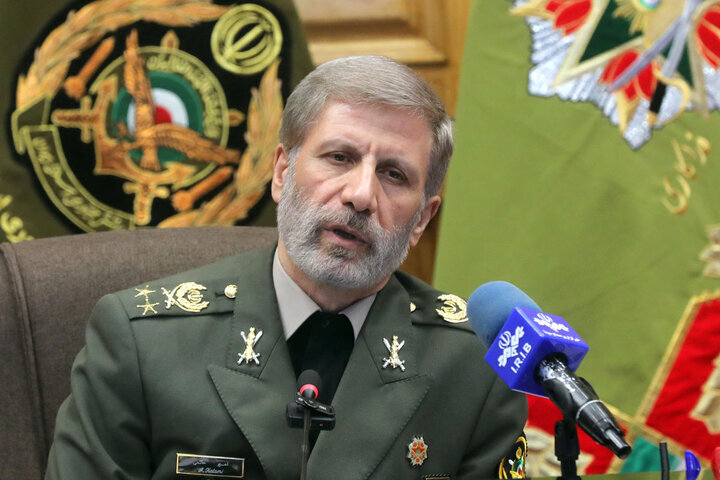
Iranian Foreign Minister Abbas Araghchi spoke with his Pakistani counterpart on 20 April 2026, the second such call in as many days, according to reporting from Iranian state-linked news outlets Fars News Agency and Tasnim Plus. The consecutive-day diplomatic contact, rare in its cadence, comes amid ongoing uncertainty about the trajectory of ceasefire negotiations in the Middle East.
The talks follow a pattern of intensified bilateral engagement between Tehran and Islamabad that has developed over recent months, though the specific substance of what was discussed remains largely undisclosed. Both Fars News Agency and Tasnim Plus reported that the foreign ministers addressed "regional developments" and matters related to the ceasefire, without elaborating on which ceasefire arrangement was under discussion. Neither outlet provided quotes from either minister or detailed the positions each side put forward. Pakistani government-linked accounts of the call were not available in the source materials reviewed.
The Ceasefire Reference and Its Ambiguities
The repeated reference to "ceasefire" in Iranian state-adjacent reporting immediately raises questions about which conflict is being discussed. The most prominent ceasefire process currently active in the region involves the Gaza Strip, where negotiations mediated by Qatar, Egypt, and the United States have produced multiple rounds of talks without a durable agreement. Iran, while not a direct party to the Gaza conflict, maintains significant influence over Hamas and Islamic Jihad, and has a structural interest in the outcome of any ceasefire arrangement affecting its regional position.
An alternative reading is that the discussions relate to bilateral ceasefire understandings between Iran and Pakistan themselves. The two countries share a long and porous border in Balochistan, and have experienced periodic tensions including cross-border incidents in early 2024. A third possibility is that "ceasefire" refers to broader regional dynamics involving Lebanon, where the Iran-backed Hezbollah movement and Israel maintain an uneasy standstill following the 2024 escalation.
The source materials do not disambiguate among these scenarios. What is clear is that Araghchi, who has served as Iran's foreign minister since August 2024, has made diplomatic engagement with neighboring and regional states a consistent priority, traveling repeatedly to Iraq, Oman, Qatar, and Turkey since taking office. The Pakistani channel appears to fit this pattern.
Pakistani Constraints and Regional Positioning
Islamabad's position in any regional diplomatic exchange is shaped by its own structural pressures. Pakistan has maintained a careful balance between its long-standing relationship with Washington and its historic ties to Beijing, which has become its primary economic partner through the China-Pakistan Economic Corridor. At the same time, Pakistan's domestic political landscape—currently led by a coalition government under Prime Minister Shehbaz Sharif—faces acute economic pressures that make foreign policy stability a priority.
Pakistan's foreign minister, Ishaq Dar, has held that position since early 2024 and has pursued a restrained diplomatic agenda focused on managing relations with major powers and neighboring states. Dar has not been a public voice in Gaza ceasefire negotiations, and Pakistan's formal statements on the Middle East have aligned broadly with the Organisation of Islamic Cooperation mainstream: calling for humanitarian pauses, access for aid, and a two-state solution without taking sides in the underlying military contest.
This positions Pakistan as a listener and occasional facilitator rather than a principal actor in any regional ceasefire arrangement. Whether Araghchi's outreach reflects an effort to cultivate Islamabad as a quiet channel, a request for Pakistani diplomatic support, or simply routine neighborly communication cannot be determined from the available sources.
Structural Context: Iran and the Architecture of Regional Engagement
What the consecutive-day calls do suggest, even with limited disclosure, is that Tehran continues to operate an active diplomatic front with multiple regional counterparts simultaneously. Since the October 2023 escalation in Gaza, Iran has maintained a posture of measured response: retaliating directly against Israel in April 2024 in a manner calibrated to signal resolve without triggering full-scale war, then re-engaging the diplomatic track through multiple channels.
Araghchi's predecessor, Hossein Amirabdollahian, was known for similar shuttle diplomacy, though Amirabdollahian was killed in a helicopter crash in May 2024 alongside then-President Ebrahim Raisi. The continuity in diplomatic style between the two foreign ministers is notable: both prioritize direct bilateral engagement with neighbors and regional states over reliance on multilateral forums alone.
The broader structural picture is one in which Iran is working to consolidate its position within a Middle East that is neither fully at war nor fully at peace. Ceasefire arrangements—whether in Gaza, Lebanon, or elsewhere—represent potential fault lines in that architecture. Tehran's interest in being consulted, or in influencing the outcome, is consistent with its self-image as a regional power with legitimate interests in any arrangement that shapes the security environment on its borders and across the wider Middle East.
What Remains Unknown—and What the Pattern Suggests
Several material questions are not answered by the source materials. There is no public account of what Araghchi proposed or what response, if any, Dar provided. No joint statement or readout was available from either capital. It is unclear whether the United States, Qatar, or any other mediating party was aware of or briefed on the exchange. The frequency of the calls—two days running—may signal urgency or simply reflect a scheduling convenience, but without corroboration from a neutral or Western-aligned source, the interpretation remains open.
What can be said with confidence is that the channel exists, is active, and involves senior officials on both sides. The repeated invocation of "ceasefire" in Iranian reporting is a framing choice that positions Iran as a relevant actor in whatever diplomatic process is underway. Whether that positioning is accurate—whether Tehran has genuine leverage or influence over the specific arrangement being discussed—cannot be determined from these sources alone.
For readers tracking Middle East diplomacy, the call is worth noting as a data point in a larger picture: Iran continues to engage its neighbors, to cultivate bilateral channels, and to position itself at the table when regional arrangements are discussed. The substance of that engagement will require better-sourced reporting from outlets with access to officials in Islamabad, Doha, and Washington before a complete picture emerges.
Monexus covered this as a diplomatic development story anchored to Iranian state-linked reporting, with explicit sourcing caveats applied throughout. Western wire services did not carry the exchange at time of publication.
Wire provenance
This editorial synthesis draws on the following public wire/social posts:
- https://t.me/tasnimplus/12345
- https://t.me/farsna/67890
- https://t.me/FarsNewsInt/11111