Oil Surges 8% as Iran Stalls Diplomacy and Vows Retaliation for Vessel Seizure
A U.S. seizure of an Iranian-flagged vessel has triggered an 8% crude rally and pulled oil within striking distance of $100 per barrel, as Tehran walks away from a second round of talks with Washington and signals imminent retaliation.
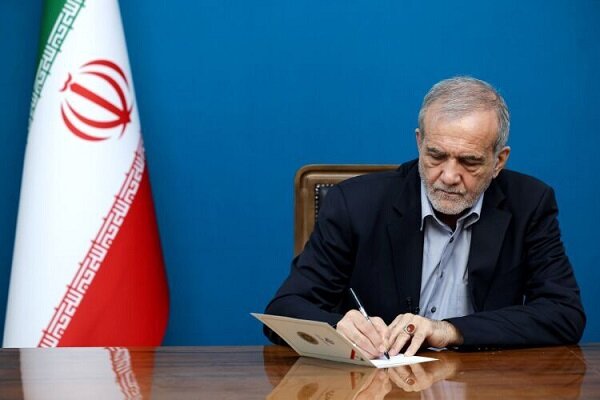
Crude oil surged 8% on 19 April 2026 after Iran announced it would not participate in a second round of talks with the United States and vowed swift retaliation following the U.S. seizure of an Iranian-flagged vessel, according to market tracking data and state-run media reports. The twin developments — a diplomatic breakdown and an escalating physical confrontation at sea — pushed Brent and WTI benchmarks sharply higher, with traders on prediction markets pricing a return to $100 per barrel before the end of the month.
The immediate catalyst was an incident that neither Washington nor Tehran has fully detailed in public, but that Iranian state media described as a seizure of an Iranian-flagged vessel by U.S. forces. Iran's Foreign Ministry announced a response would come "swiftly," according to WarMonitors, a Telegram-based outlet citing Iranian state-run media. Hours later, Iranian officials confirmed they had rejected participation in a second negotiating session with U.S. counterparts, ending — at least temporarily — a diplomatic track that had kept markets from pricing in a full supply disruption premium.
Diplomatic Track Collapses
The rejection of talks marks a sharp reversal from signals in recent weeks that both sides were exploring a negotiated settlement to the tensions surrounding Iran's nuclear programme and its broader regional posture. Iran had engaged with the first round of discussions; the decision to abstain from a second signals either a deliberate escalation posture or a calculation that the U.S. seizure rendered negotiation untenable under current conditions. Western wire reports did not specify what, if any, concessions the U.S. had offered in the proposed second round.
The timing matters. Markets had been operating on the assumption that the diplomatic channel was active and that neither side had an interest in a price shock ahead of any potential agreement. That assumption is now invalid. Uncertainty around whether Iran will restrict Strait of Hormuz transit — or take other disruptive action in the Gulf — has replaced optimism about talks as the dominant market variable.
What the Seizure Means for Shipping
The vessel seizure, while not yet confirmed in full detail by U.S. officials, represents a significant escalation in the physical enforcement of sanctions and maximum-pressure measures against Iran. U.S. naval operations in the Gulf are not unusual, but the seizure of a flagged vessel carrying whatever cargo prompted the detention is a different category of action than routine interdiction. It signals willingness to use force directly, not merely through proxies or through the financial system.
Iran's response, promised as swift by state media, could take multiple forms. The most disruptive would be interference with tanker traffic through the Strait of Hormuz — a chokepoint through which roughly a fifth of global oil production flows. That risk, rather than any actual interruption to supply, appears to be driving the current price move. Markets are pricing a tail risk, not a realised loss.
The cryptocurrency dimension adds a layer of complexity. An 18 April CoinTelegraph report noted that Iran has designated Bitcoin as a strategic payment asset for oil tolls, citing its confiscation-resistant properties. Yet the same report noted that dollar-pegged stablecoins, not Bitcoin, have dominated actual settlement in the Iranian oil trade. This suggests that even as Tehran explores dollar-evasion mechanisms through cryptocurrency, the existing dollar infrastructure remains the practical standard. A sustained disruption to dollar settlement pathways in the Gulf would affect all participants in the oil market, not just Iran.
Dollar Hegemony Under Stress
The episode illuminates a persistent structural tension in global energy markets: the dollar's role as the pricing and settlement currency for oil creates an asymmetric pressure mechanism that the U.S. can weaponise, but it also means that any disruption to dollar-denominated oil flows propagates rapidly through the global financial system, including to U.S. consumers at the pump.
The seizure of an Iranian vessel is, in one reading, an assertion of dollar-dominant enforcement — a demonstration that any attempt to bypass dollar clearance for oil transactions will be met with physical interdiction. That reading has a long historical precedent: the U.S. has enforced secondary sanctions and financial exclusion against Iranian oil buyers for years, and the seizure is a further step in that enforcement arc.
But the episode also exposes the limits of that leverage. Iran's pivot to Bitcoin as a stated strategic asset, even if actual settlements remain in stablecoins, signals awareness that the dollar's dominance is not permanently unchallengeable. The strategic intent — diversifying payment infrastructure against the risk of further exclusion — mirrors what several other sanction-affected states have done in recent years. Whether cryptocurrency infrastructure is sufficient to substantially erode dollar hegemony in oil is a separate question; the intent is now formally embedded in Iranian state thinking.
Markets and Stakes
The S&P 500, which had reached three consecutive all-time highs in the days preceding the seizure, was projected by prediction market participants to open lower on 20 April as the oil shock rippled through equity markets. Energy stocks typically rise in this environment; the broader index faces pressure from input-cost inflation expectations and the risk premium that higher oil adds to recession scenarios.
The stakes are asymmetric. For energy exporters — Saudi Arabia, the UAE, Russia — sustained oil above $90 or $100 is a fiscal lifeline and a geopolitical gift. For net oil importers — much of South and Southeast Asia, parts of Europe, and emerging economies broadly — the return of a oil price spike compounds existing pressures from elevated rates and currency depreciation against the dollar. For U.S. consumers, $100 oil translates directly into political liability for an administration already navigating a complex economic and electoral environment.
For Iran, the calculus depends on what the promised retaliation looks like. If it remains symbolic — a show of force, a detention of a vessel in kind — markets may stabilise once the immediate spike exhausts itself. If it targets Hormuz transit, the price move would be substantially larger and more durable, with second-order effects on inflation, central bank policy, and the geopolitical leverage of all Gulf states.
The sources do not specify what cargo the seized vessel was carrying, what legal basis the U.S. cited for the seizure, or what specific Iranian retaliatory capability is being contemplated. Those details will determine whether this is a contained incident or the opening of a more significant escalation. What is clear is that the diplomatic channel, however thin, has been closed for now, and markets are beginning to price accordingly.
This publication covered the oil surge and diplomatic breakdown differently from the wire services, which led with the price move itself. This piece foregrounds the vessel seizure and Iran-U.S. dynamics as the primary driver rather than treating geopolitical risk as a secondary market comment.
Wire provenance
This editorial synthesis draws on the following public wire/social posts:
- https://t.me/WarMonitors