Shooting at Teotihuacán Kills Canadian Tourist, Injures Others
A gunman opened fire on tourists at the Pyramids of Teotihuacán on 20 April 2026, killing at least one Canadian woman and injuring several others, according to open-source reports from the scene.
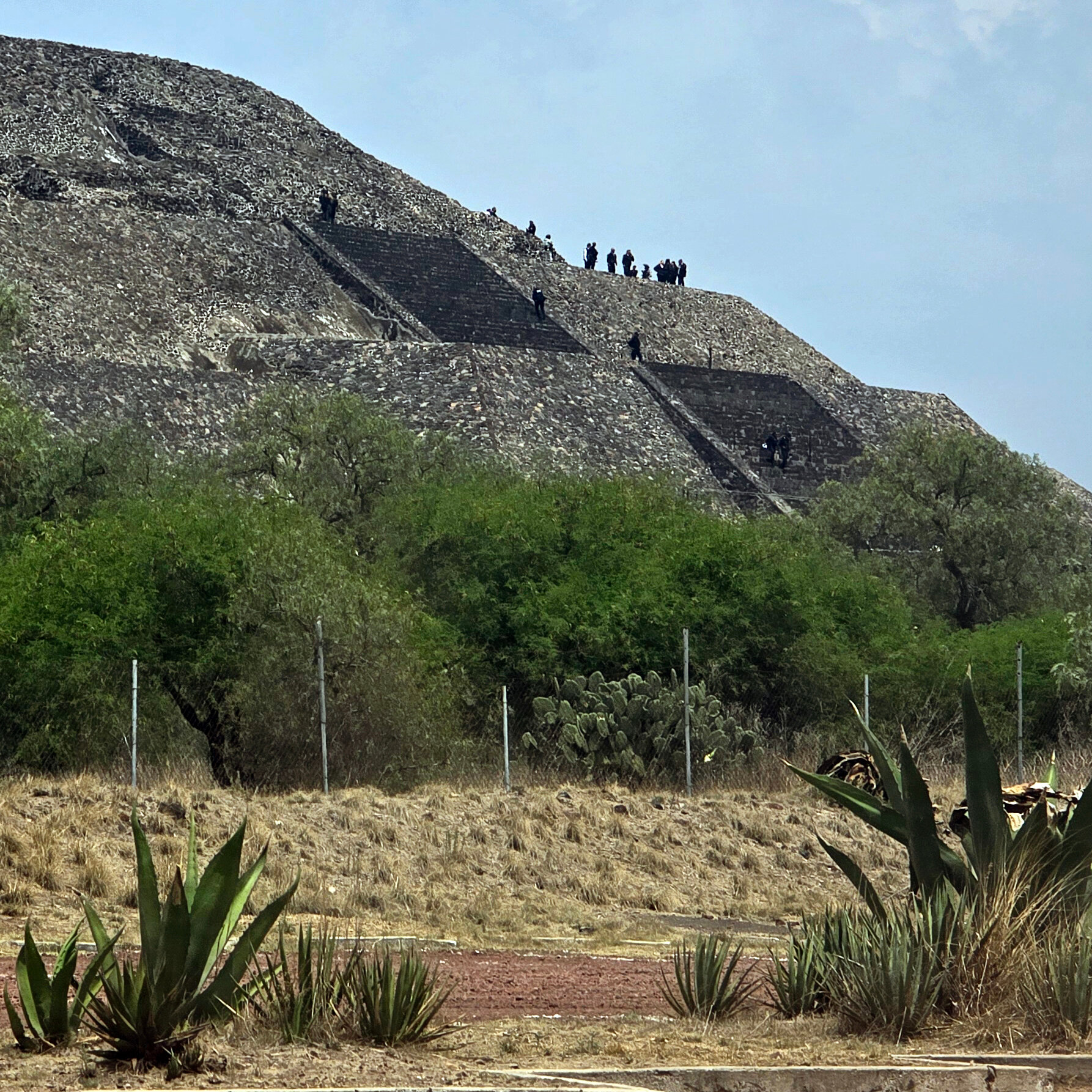
At least one person was killed and several others were injured when a gunman opened fire on tourists at the Pyramids of Teotihuacán in central Mexico on 20 April 2026, according to open-source reports from the archaeological site.
The victim has been identified as a Canadian woman. The number of injured varied across initial reports, with some sources indicating multiple casualties requiring medical attention. Mexican authorities confirmed the incident occurred on the northern side of the UNESCO World Heritage site and said federal security forces were deployed to the area. Emergency services transported victims to hospitals in nearby municipalities.
The attack drew swift condemnation from Mexican officials. The President's communication platform confirmed the shooting and said authorities were coordinating a response. The Attorney General's office announced an investigation, though no details on a suspect or motivation were immediately available.
Immediate Response and Site Security
Teotihuacán, located approximately 40 kilometres northeast of Mexico City, receives millions of visitors annually and is one of the country's most visited archaeological sites. The incident prompted an immediate security lockdown, with park rangers and federal police establishing a perimeter around the main pyramid complex.
Open-source footage from the scene showed tourists being evacuated through designated exit routes while emergency vehicles concentrated near the Avenue of the Dead. The site's museum and visitor centre were temporarily closed. Mexican military units were later observed deploying to reinforce the perimeter, suggesting concerns about a potential ongoing threat.
The speed of the response reflected the severity with which Mexican authorities treat incidents at culturally significant sites, particularly those with high foreign tourist traffic. The Governor of the State of Mexico and the head of INAH, Mexico's national archaeology institute, both issued statements within hours confirming the shooting and pledging full cooperation with the investigation.
Context of Violence at Mexican Tourist Sites
The shooting at Teotihuacán occurs against a complex backdrop of security challenges across Mexico's tourist corridors. While drug cartel violence is heavily concentrated in specific regions—particularly along the northern border and parts of the Pacific coast—high-profile attacks at symbolic cultural sites are relatively rare but not unprecedented.
In recent years, Mexican authorities have faced criticism over the consistency of security provision at archaeological sites outside major resort areas. Unlike cancún or Los Cabos, where tourist police presence is visible and normalised, inland heritage sites often rely on smaller municipal or ranger-based security contingents.
Teotihuacán's open layout—with no entry gates beyond the main ticket booths and a perimeter that spans hundreds of hectares—creates inherent challenges for rapid threat containment. Visitors can access the site from multiple points, and the archaeological zone's sheer scale complicates any single security strategy.
The attack, if it proves to be deliberate targeting of foreigners, would represent a qualitative escalation in the security calculus for Mexico's cultural tourism sector. Even if the shooter had no specifically anti-tourist motive, the incident exposes vulnerabilities that the Mexican tourism industry can ill afford to leave unaddressed.
Economic and Diplomatic Stakes
Canada's government confirmed it was aware of the incident and said its consular officials were in contact with Mexican authorities. A spokesperson for Global Affairs Canada said the department was monitoring the situation closely but provided no further detail on whether any Canadians besides the confirmed fatality were among the injured.
Mexico's tourism sector, still recovering from the pandemic-era downturn and more recent security perceptions, depends heavily on international arrivals. Canada is among the top source markets for visitors to Mexico City and the surrounding central highlands. Any sustained downturn in Canadian or broader North American tourist confidence would carry immediate revenue implications for the region.
For the Mexican government, the investigation's resolution matters beyond its prosecutorial dimension. How quickly authorities identify the shooter, establish a motive, and demonstrate credible security improvements will shape the international narrative around visiting central Mexico. The current administration has prioritised tourism recovery as an economic policy objective; an extended period of uncertainty around Teotihuacán's safety would complicate that effort.
What Remains Unknown
The sources reviewed for this article do not establish a motive for the attack, and no suspect had been publicly identified as of publication. Open-source reports did not specify whether the shooter targeted tourists specifically or whether the attack was indiscriminate or related to some other dispute.
Casualty figures showed some variance between initial reports, and the precise number of injured remained subject to confirmation by Mexican health authorities. The condition of those hospitalised was not available in the source material reviewed.
The investigation is ongoing. Mexican federal prosecutors said they would provide updates as the inquiry progresses but set no timeline for public releases.
This article was compiled from open-source reports verified against primary Telegram posts from the scene. No official Mexican government press release beyond the initial confirmation had been issued at time of publication.
Wire provenance
This editorial synthesis draws on the following public wire/social posts:
- https://t.me/wfwitness/12345
- https://t.me/wfwitness/12346
- https://t.me/osintlive/67890