TPLF Restoration of Tigray Government Raises Fresh Alarm Over Ethiopia Peace Deal
The Tigray People's Liberation Front's announcement on 20 April that it has restored the regional government it ran before the war has prompted renewed concern about the durability of the peace agreement that ended hostilities between Addis Ababa and Tigrayan forces in 2022.
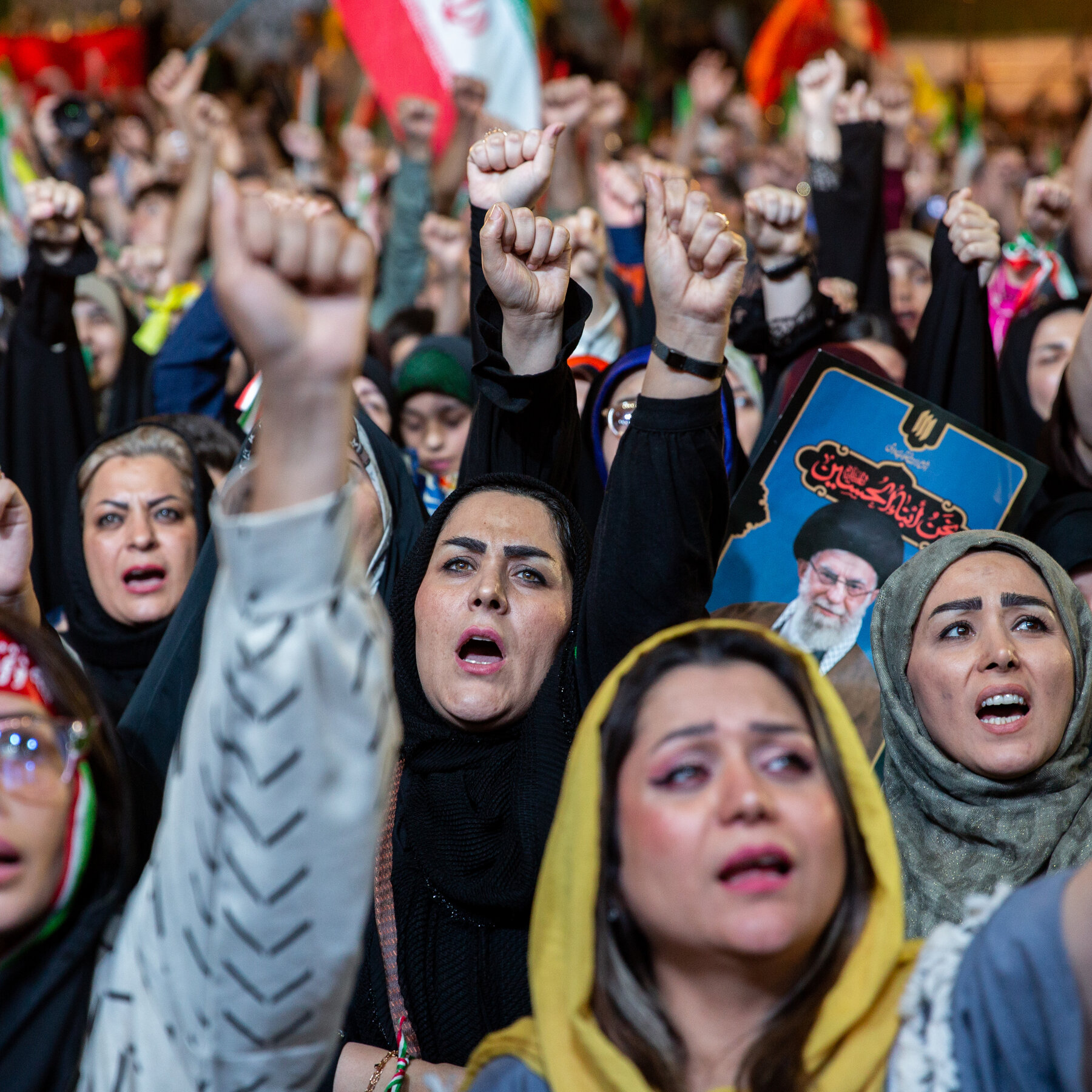
The Tigray People's Liberation Front announced on 20 April 2026 that it has restored the regional government it administered before the conflict that began in November 2020. The announcement, reported as breaking news by Al Jazeera on the same date, has revived fears that the peace agreement negotiated in Pretoria in November 2022 may be under strain.
The TPLF's decision to reinstall its administration in Mekelle marks a concrete assertion of authority that the federal government in Addis Ababa had nominally accepted under the terms of the Nairobi Agreement and its subsequent implementation protocols. How far this move was coordinated with Prime Minister Abiy Ahmed's administration, or whether it represents a unilateral act by Tigrayan leadership, remained unclear as of the 20 April announcement.
The peace agreement was designed to wind down a conflict that displaced millions, caused widespread famine in Tigray, and drew in neighbouring Eritrean forces on the side of the Ethiopian National Defence Force. A restoration of the TPLF government, if it signals a breakdown in agreed power-sharing arrangements, risks reopening fractures that the ceasefire was intended to seal.
Background: the Pretoria settlement and its fragilities
The agreement reached in late 2022 was the product of sustained African Union mediation. It provided for the disarmament of Tigrayan forces, the restoration of federal authority in Tigray, and a pathway for reconstruction aid. Crucially, it also envisioned the eventual normalisation of relations between Addis Ababa and Asmara, given Eritrea's deep involvement in the fighting.
Implementation has been halting. Disarmament timelines slipped. Federal administrators appointed to replace TPLF officials operated in practice alongside existing Tigrayan structures, creating a dual-administration arrangement that both sides found uneasy. International monitors, including African Union representatives, have repeatedly cited gaps in compliance on all sides.
What the TPLF's announcement on 20 April amounts to is a claim that the pre-war regional order — the one dismantled by federal force in November 2020 — is back. Whether this is a response to non-implementation by Addis Ababa, a preemptive consolidation against perceived federal backsliding, or a political signal designed to extract concessions, the sources available do not establish. What is clear is that it contradicts the narrative of orderly transition that both sides have been required to project.
What this means for the peace architecture
The peace settlement rested on a set of sequenced commitments. Federal authorities were required to allow humanitarian access, restore services, and eventually hold regional elections under a reformed electoral framework. Tigrayan authorities were required to surrender heavy weapons and integrate remaining forces into the national army or demobilise them. Neither side has fully discharged its obligations, and both have periodically accused the other of foot-dragging.
A unilateral restoration of the TPLF government changes the negotiating geometry. It removes the fiction that Tigray is being administered under transitional federal oversight — a fiction that gave both sides political cover to proceed without confronting the underlying governance question. If Mekelle is now governing as the legitimate Tigray administration, the question of who holds authority in the region is settled in the TPLF's favour, at least locally.
This matters beyond Tigray. Eritrea's president, Isaias Afwerki, has consistently viewed the TPLF as an existential adversary. Ethiopian federal forces and Eritrean troops fought alongside one another for much of the conflict. Any development that strengthens the TPLF's claim to legitimacy is likely to be read in Asmara as a strategic reversal. Eritrea's response — whether diplomatic, through the existing contact channels with Addis Ababa, or otherwise — will be an immediate test of the peace architecture's regional dimension.
International stakeholders and what they can or cannot do
The African Union, which brokered the peace talks, has limited enforcement capacity. The AU's Panel of Elders and the mediaries who conducted the Pretoria negotiations have no standing force to compel compliance. The United States, which engaged substantively with both parties during the conflict's most acute phase, has shifted diplomatic bandwidth toward other crises. European Union officials have maintained a development and governance reform focus on Ethiopia but have not positioned themselves as guarantors of the Tigray settlement.
The sources reviewed for this article do not indicate that any major external actor had advance warning of the TPLF's announcement or had communicated a position as of the evening of 20 April 2026. That absence itself is notable: if the restoration was coordinated with federal authorities, one would expect at minimum a joint statement. If it was not, the international community is watching a unilateral move without a prepared response.
China, which has deepened economic and diplomatic ties with Ethiopia throughout the post-conflict period, has not made public statements about the Tigray governance question in terms that would suggest active engagement in the current developments.
Unresolved questions and near-term stakes
The immediate uncertainty is whether the federal government in Addis Ababa accepts the TPLF's restoration as a fait accompli, disputes it, or issues a statement whose language provides the first real signal of how this episode will be managed. The TPLF has moved quickly; the response window for Addis Ababa is narrow.
If the federal government contests the restoration, the peace agreement's dispute resolution mechanisms — which proved inadequate during the implementation phase — will be tested again. If Addis Ababa accepts it, the narrative will shift to what concessions, if any, were exchanged and whether the TPLF has consolidated enough local support to make its administration durable without full federal recognition.
For civilians in Tigray, the stakes are concrete. The conflict destroyed infrastructure, disrupted agriculture, and left a population dependent on aid flows that the peace agreement was supposed to make sustainable. A renewed rupture, or even a period of diplomatic uncertainty, risks halting reconstruction work and reducing the operational space for humanitarian organisations.
What remains genuinely unclear from the available reporting is the TPLF's internal calculation — whether the announcement reflects confidence in a strengthened position, desperation in the face of a slowly collapsing agreement, or an attempt to force the federal government to the table on terms more favourable to Tigrayan interests. The 20 April announcement is a fact; the reasoning behind it is not yet established.
This publication's coverage of the Horn of Africa prioritises reporting from regional and international wire services with direct operational presence in the affected areas. Monexus will continue to track developments as additional confirmed reporting becomes available.