US Charges Woman Over Alleged Arms Pipeline From US to Sudan for Iranian Government
A Tennessee woman has been charged in a US federal court with orchestrating an international arms trafficking operation that allegedly moved weapons from American soil to Sudan under the direction of Iranian government actors, according to charging documents reviewed by Al Jazeera English.
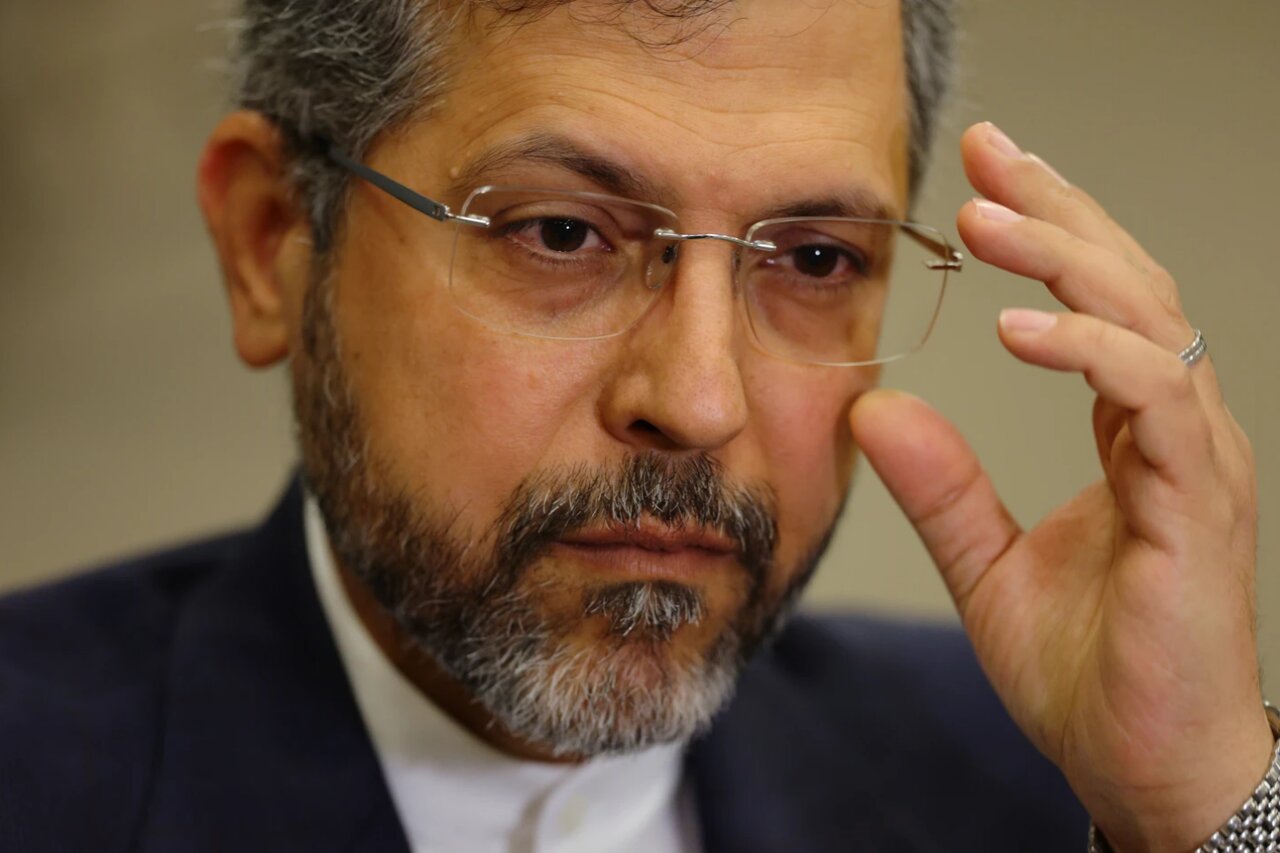
A Tennessee woman faces federal charges in connection with an alleged scheme to traffic American-origin weapons to Sudan under the direction of individuals acting on behalf of the Iranian government, according to charging documents cited by Al Jazeera English on 20 April 2026.
The case, filed in a US federal court, alleges the woman coordinated the shipment of arms from the United States to Sudan, with the ultimate recipient being actors aligned with Tehran's regional interests. Federal prosecutors contend the operation exploited gaps in export-control enforcement and used intermediaries to obscure the end-user of the materials.
The Charges and the Iranian Connection
The indictment, details of which were reported by Al Jazeera English, alleges the defendant operated a network that facilitated arms transfers from US territory to Sudan. The charging documents reportedly describe how Iranian government contacts directed aspects of the operation, including specifications for the types of arms sought. This marks at least the second such case brought by US authorities in recent months involving an alleged Iranian-directed procurement pipeline running through American jurisdictions.
Federal law enforcement officials have framed the prosecution as a signal that the United States will pursue actors who enable hostile state-directed procurement networks, even when the weapons transit third countries. The charges carry penalties that could result in decades of incarceration upon conviction.
Sudan in the Crosshairs of Regional Proxies
Sudan has become an increasingly contested space in the broader competition between Iran and Gulf-aligned states for influence across the Horn of Africa. Since the eruption of open conflict between the Sudanese Armed Forces and the Rapid Support Forces in April 2023, external powers have deepened their engagement with various factions. Iran has sought to expand its network of allied militia groups and state-adjacent actors in the region, a strategy that has drawn scrutiny from US officials monitoring weapons proliferation.
Arms trafficking investigations of this kind typically take months to develop, often involving intercepts, informant networks, and cooperation with allied intelligence services. The fact that a US-based defendant was identified and charged suggests investigators traced the supply chain backward from intercepted shipments or signals intelligence gathered through third-party partnerships.
What Remains Uncertain
The charging documents reviewed by Al Jazeera English do not disclose the specific quantities of weapons allegedly trafficked, nor have the precise nationalities or identities of the Iranian government contacts been made public. The defendant's name was not included in the Al Jazeera reporting, and the court filings had not been unsealed in full at the time of publication. It remains unclear whether any co-conspirators have been charged or remain at large.
US federal prosecutors often seek sealed indictments in sensitive national security cases, releasing details selectively to avoid alerting targets who may still be at large or to protect ongoing investigative equities. The silence from the Department of Justice on 20 April 2026 is consistent with that approach.
Enforcement Implications and the Export-Control Gap
The prosecution illustrates a persistent vulnerability in the US export-control architecture: even with robust licensing requirements for defense articles, networks can exploit intermediaries, front companies, and incomplete end-user verification to move materiel offshore. The Iranian government has historically relied on such indirect channels to acquire dual-use and restricted items, particularly those with military applications.
For Washington, the case reinforces a priority that has grown sharper since 2022: disrupting the supply chains that sustain Iran's drone programs, missile development, and proxy force capabilities. Each prosecution serves a dual purpose — holding individuals accountable and sending a deterrent signal to would-be facilitators.
The stakes extend beyond this single defendant. If the charges are substantiated at trial, the case would provide US prosecutors a roadmap to trace how Iranian-linked procurement networks operate inside American territory — knowledge that could inform future investigations and potentially tighter licensing scrutiny on high-priority items.
This publication's framing follows the primary wire account from Al Jazeera English. Coverage of Iranian-directed procurement cases typically lags behind the initial charging phase as prosecutors balance disclosure against ongoing investigative equities.
Wire provenance
This editorial synthesis draws on the following public wire/social posts:
- https://t.me/aljazeeraglobal/3847