China Positions Itself as Middle East Peacemaker While Condemning US Interdiction of Iranian Vessel
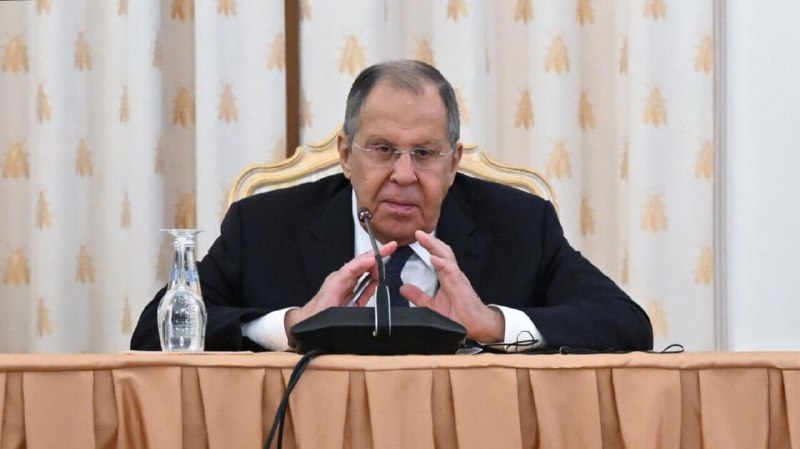
China's foreign ministry issued a dual-track diplomatic signal on 21 April 2026, simultaneously positioning Beijing as a constructive actor in Middle East peace efforts while condemning American military action against an Iranian vessel. The statements, reported by Al Alam Arabic at 07:22–07:46 UTC, outline a foreign policy approach designed to expand Chinese influence across a region undergoing significant geopolitical reordering.
The simultaneous messaging reflects Beijing's broader strategy of offering itself as an alternative diplomatic partner in conflicts where Western involvement has been contentious. By framing itself as a facilitator of ceasefire talks while opposing what it termed "malicious collusion" between the United States and regional partners, China is cultivating a narrative of responsible great-power engagement—one that critics argue serves primarily to erode American alliances rather than genuinely advance regional stability.
Beijing's Ceasefire Diplomacy
According to statements reported by the Chinese foreign ministry and published by Al Alam Arabic, Beijing expressed explicit support for ongoing ceasefire negotiations in the Middle East. "The current regional situation is going through a decisive transitional phase from war to peace," the ministry stated, adding that "the window for peace has opened and favorable conditions must be created to end the war as quickly as possible."
The ministry said it "supports the parties concerned in maintaining the momentum of the ceasefire and negotiations" and expressed hope that all sides would preserve diplomatic momentum. China also indicated it would "continue to play a constructive role in promoting de-escalation and achieving lasting peace and stability" in the region.
The statements did not specify which conflict the ministry was referring to, though ceasefire negotiations in the Israel-Gaza context have been a focus of multiple diplomatic initiatives in recent months. China has previously signaled interest in playing a mediating role in Middle Eastern conflicts as part of a broader push to position itself as a global diplomatic actor.
China's Opposition to US Maritime Action
The same set of statements included pointed criticism of American military action against an Iranian vessel. Beijing "strongly oppose[d] this malicious collusion and media exaggeration," the foreign ministry said, characterizing the US interdiction as an act that "increases tensions" rather than advances legitimate security objectives.
The ministry did not provide details about the specific interdiction in the statements reported on 21 April. US naval interdictions of vessels suspected of carrying illicit cargo—particularly weapons—have been a regular feature of maritime security operations in international waters near the Persian Gulf and Arabian Sea. Iran's Islamic Revolutionary Guard Corps and affiliated networks have repeatedly been targets of such operations.
China's defense of Iran in this context reflects a pattern of aligning with Tehran against what Beijing characterizes as American overreach. The framing—opposing "malicious collusion" between the US and unnamed partners—echoes language China has used in other contexts to challenge US alliance structures in the Indo-Pacific.
The Multipolar Positioning Strategy
The timing and framing of China's statements are unlikely coincidental. Beijing has increasingly sought to present itself as an indispensable diplomatic actor in conflicts where the United States is simultaneously engaged. The strategy serves multiple objectives: burnishing China's credentials as a responsible great power, undermining confidence in American leadership among regional actors, and deepening ties with Iran and other countries skeptical of US policy.
The duality of the statements—calling for peace while condemning an American interdiction—illustrates the tension at the heart of China's diplomatic posture. Support for ceasefire talks in the Middle East is broadly consistent with international consensus; opposition to lawful maritime interdictions targeting weapons shipments is not. By packaging both positions together, Beijing attempts to associate itself with the constructive framing while advancing a more adversarial agenda.
The source base for this reporting is limited. Al Alam Arabic, an Iranian state-affiliated news channel, published the statements on its Telegram channel at 07:22–07:46 UTC. Independent corroboration of the specific wording and context of China's statements was not immediately available in the sources reviewed. Western wire services and Chinese state media had not published equivalent reporting at time of publication.
Regional Implications and Credibility Questions
How regional actors receive China's positioning will depend significantly on whether they view Beijing's diplomatic engagement as substantively contributing to negotiated outcomes or primarily serving Chinese strategic interests. Countries that have experienced direct conflict—particularly those whose populations have borne the costs of ongoing violence—have shown willingness to engage with any credible diplomatic interlocutor. Whether China can deliver results that Western-backed initiatives have not remains an open question.
The credibility of China's peacemaker framing also depends on how it behaves in other contexts. Beijing's opposition to US maritime interdiction of Iranian vessels carrying potential weapons cargo suggests limits to its commitment to regional stability if that stability is achieved through mechanisms China opposes. Sustained diplomatic leadership requires consistency that the statements published on 21 April do not fully demonstrate.
This publication's coverage of China's diplomatic positioning in the Middle East focuses on the substance of official statements and their implications for regional dynamics. The framing contrasts with Western wire reporting, which tends to emphasize ceasefire negotiations as a US-led process while treating Chinese involvement as subsidiary. Monexus presents both tracks equally, reflecting Beijing's own stated ambitions for a more central role.
Wire provenance
This editorial synthesis draws on the following public wire/social posts:
- https://t.me/alalamarabic/37452
- https://t.me/alalamarabic/37450
- https://t.me/alalamarabic/37449
- https://t.me/alalamarabic/37445
- https://t.me/alalamarabic/37442