Fernando Mendoza and the NFL Draft's Most-Watched First Pick in Years
Fernando Mendoza's ascent from Division I obscurity to presumptive first overall pick in the 2026 NFL Draft has reframed how teams assess quarterback value — and placed the Las Vegas Raiders and New York Jets at the centre of a decision that will shape the conference landscape for years.
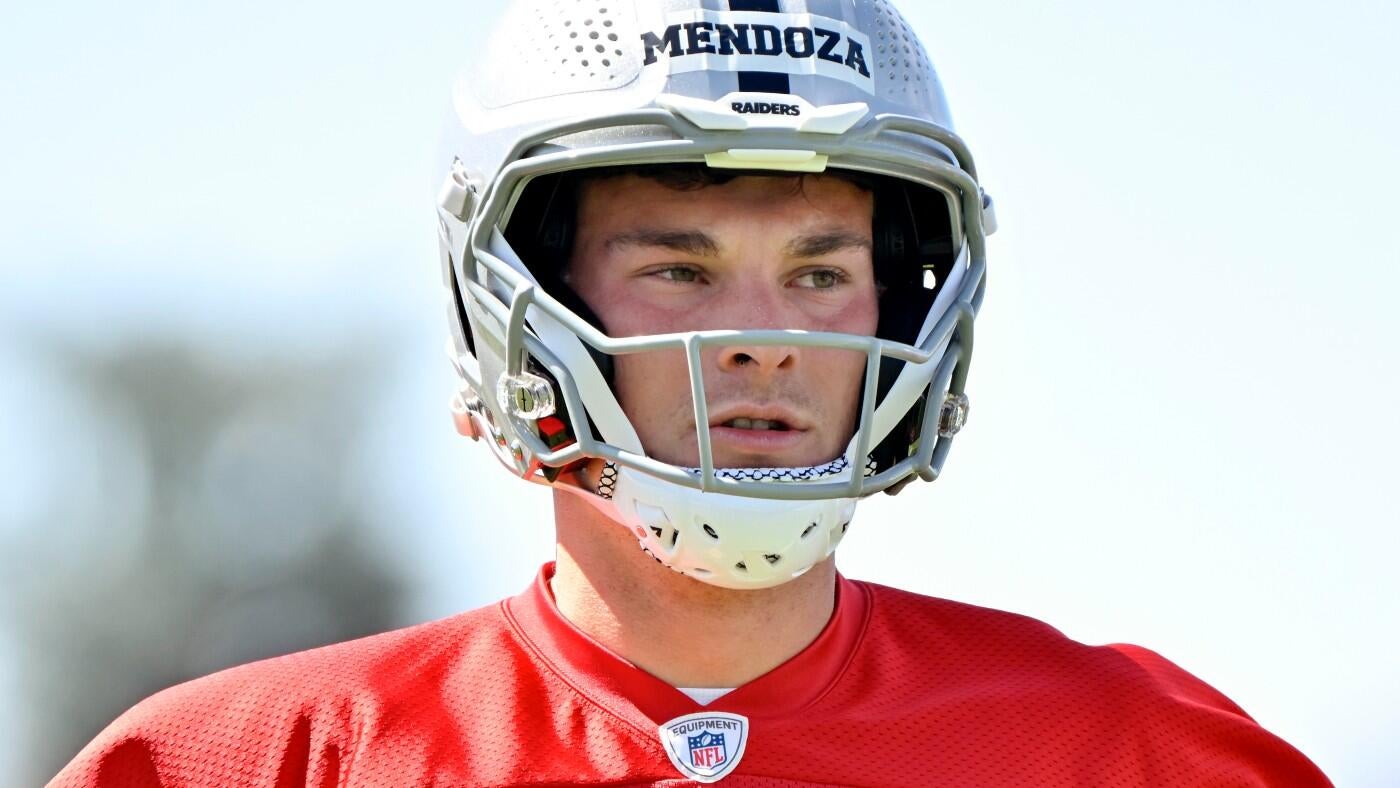
Fernando Mendoza has spent years working toward a moment that arrives Thursday evening in Green Bay, Wisconsin, when he is almost certain to become the first overall pick in the 2026 NFL Draft. The quarterback's trajectory from a relatively unheralded college start to the top of every major board is not simply a story about talent evaluation — it is a story about what NFL franchises believe they know about the position, and what they are willing to wager to find out.
Mendoza's draft position has been effectively settled for weeks. Mel Kiper Jr., the ESPN analyst whose final Big Board updated on 21 April 2026, places Mendoza at the summit of a 150-prospect ranking that runs deep at every position. Dave Richard of CBS Sports, in his own quarterback rankings released on 20 April, names Mendoza the clear choice for the Las Vegas Raiders at number one and flags Ty Simpson as the most credible alternative at the position — but stops well short of framing the race as genuinely contested. The signal from both the analytics community and the betting markets, where the Raiders' selection of Mendoza at one is the settled consensus, is that the guesswork around the first pick is largely finished. The questions that remain are more interesting.
From Obscurity to the Top of the Board
Mendoza's path to this moment contains details that NFL front offices find useful in ways beyond sentiment. According to a BBC Sport profile published on 21 April, his mother lives with multiple sclerosis — a condition that has shaped his approach to the sport in ways teammates and coaches have described as atypical for a player of his physical gifts. The account characterises Mendoza's self-described "goofy" disposition off the field as a counterweight to the demands of the position, not a contradiction of it. Sources inside the Raiders' organisation, as reflected in Dave Richard's coverage, have pointed to exactly this kind of personal foundation as the frame through which they evaluate durability and leadership under pressure — criteria that sit uneasily alongside raw measurables but that NFL scouting departments treat as genuinely predictive.
Kiper's final board, updated with six rounds of medical and character assessments factored in, reflects a confidence in those intangibles that has narrowed the field at the top of the draft to a single name. The sources cited in Richard's analysis suggest that Las Vegas selected Mendoza as the player they believe gives them the best chance to maximise their current roster window — a framing that positions the pick as a short-to-medium term bet on readiness rather than a long-term developmental project.
What Las Vegas Is Buying
The Raiders hold the first pick for the first time since the NFL moved to its current draft format, and the franchise's situation shapes how the selection is interpreted. Las Vegas finished the 2025 season outside playoff contention, but with a defence that performed at a level the front office believes is close to competitive with the AFC's upper tier. The question for the Raiders is not whether to compete in the near term — they believe they are already competing — but whether their quarterback situation can be upgraded to a level that translates defensive competitiveness into playoff wins.
Mendoza's profile fits that question in ways that require some acknowledgment of what is not yet publicly confirmed. His college tape at Indiana shows decision-making under pressure that NFL scouts have consistently flagged as above average, and his physical tools — arm strength, mobility in the pocket — fall within the range teams use to project NFL starting capability. What Las Vegas appears to be gambling on is the combination of those tools with the personal resilience that his family circumstances have apparently shaped. The framing from the Raiders' side, as reported across multiple outlets in the weeks preceding the draft, is that they are buying a player, not a ceiling.
The Jets at Number Two: Options Without Certainty
New York's position at number two creates the draft's most consequential open question. The Jets have needs across multiple position groups — offensive line, receiver, and a pass rush that would complement a defence that showed flashes in 2025. Dave Richard's analysis from 20 April frames the Jets' situation in terms of options: the team has the draft capital to address any of those needs, and the uncertainty around which direction they will take has translated directly into unpredictability at sportsbooks. The betting market around the Jets' selection reflects genuine disagreement among informed observers, not the settled consensus that surrounds the Raiders' first pick.
The quarterback question is not cleanly resolved by the Jets' draft position. Simpson is available, and the argument for taking him — that a franchise quarterback is the highest-value asset any NFL team can acquire — has surface plausibility. The counter-argument, which the sources suggest carries weight in the Jets' front office, is that the draft's best quarterback is not necessarily available at number two, and that reaching for a signal-caller to fill a positional need is among the most consistently costly decisions in NFL roster construction. The Jets' draft decision will be read by the rest of the league as a statement about how they assess their own competitive window — whether they see themselves as a team that can afford to build around a rookie quarterback over two to three seasons, or as a team that needs immediate contributors at positions of acute need.
Stakes: The AFC, the Draft's Credibility, and What Comes Next
The Mendoza selection carries implications beyond Las Vegas. The 2026 quarterback class has been characterised by analysts as unusually top-heavy — a framing that Kiper's Big Board and Richard's rankings both reinforce — and the draft's first pick is the clearest signal the league receives about how teams value that distribution. If Mendoza succeeds in Las Vegas, it validates an approach to quarterback evaluation that foregrounds character and decision-making over pure physical measurables. If he struggles, the conversation shifts to questions about what the draft can and cannot reveal about NFL readiness, and about whether the scouting apparatus is properly calibrated for a position that demands more than raw talent.
The Jets' decision carries its own set of downstream consequences. New York has cycled through multiple quarterback acquisitions in recent seasons, and the market for veteran quarterbacks in 2027 will be shaped in part by whether the Jets enter it in a position of strength or desperation. A well-executed pick at number two — whatever position they address — can accelerate a timeline; a pick that misreads the roster's needs can extend the franchise's rebuilding phase by another year or more.
For Mendoza, Thursday night is an arrival and a beginning. The coverage around him has been consistent in its framing: a player shaped by circumstances off the field as much as by what he has done on it. Whether that combination translates into the professional standard the Raiders are betting on will begin to be answered in the games that follow, not in the ceremony that precedes them.
—
This publication's coverage of the 2026 NFL Draft foregrounds the Raiders' selection as the central narrative in a draft cycle that has generated less quarterback controversy than most. The CBS and ESPN boards are in broad agreement on the first pick; the more productive question, as the Jets' decision at number two makes clear, is what that agreement obscures.