Hormuz disruption tightens Nigeria's jet fuel supply as distillate shortage bites
A sharp drop in shipping traffic through the Strait of Hormuz has curtailed global middle distillate supplies, compounding an already fragile jet fuel situation in Nigeria and exposing the structural reliance of import-dependent economies on secure chokepoints.
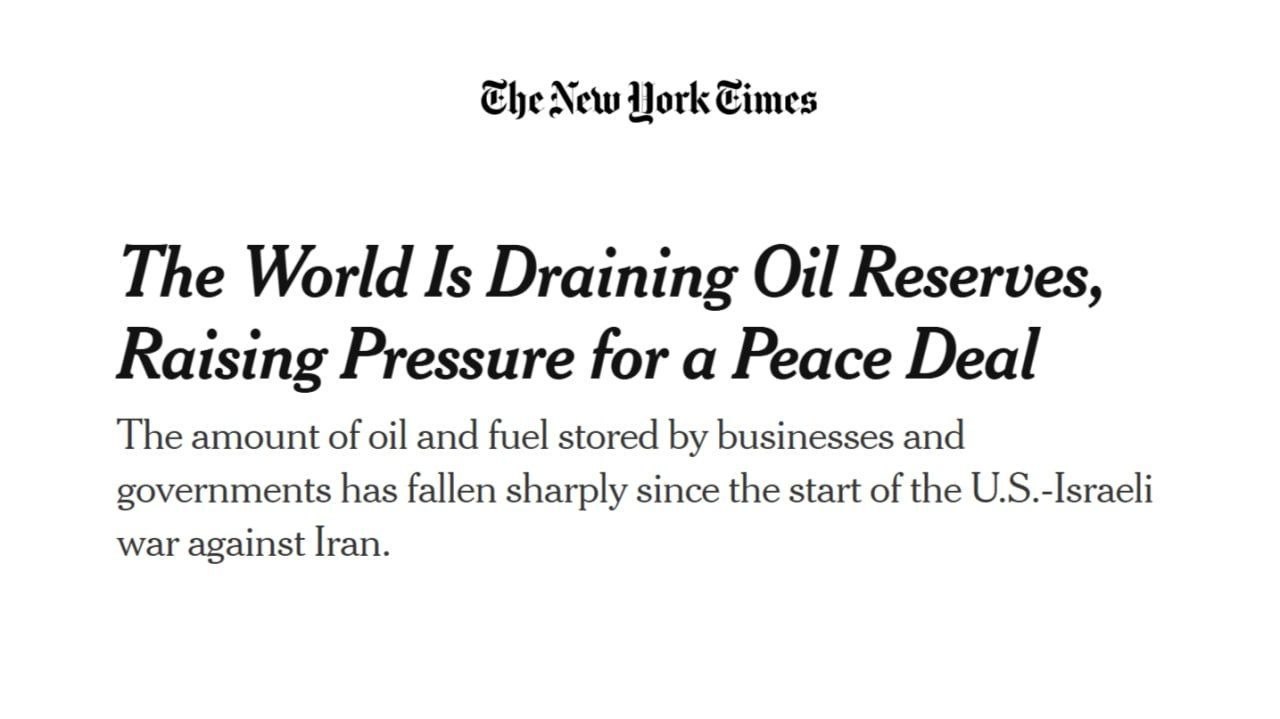
Nigeria's aviation sector is navigating a deepening jet fuel crunch after disruptions at the Strait of Hormuz curtailed global supplies of middle distillates, the fuel category that includes jet fuel, kerosene, and diesel. The Nigerian downstream petroleum regulatory authority and fuel marketing associations confirmed on 21 April 2026 that the international supply squeeze is compounding an already fragile domestic distribution situation, squeezing airline operations at a time when demand for air travel across Africa's largest economy is running at elevated levels.
The immediate trigger is a measurable collapse in Hormuz shipping traffic. According to data from shipping companies reported by Reuters on 21 April 2026, only three vessels passed through the Strait of Hormuz in the preceding 24 hours—a fraction of typical daily volumes through the world's most critical oil transit corridor. The decline directly affects the global middle distillate market, which was already running tight before the Hormuz disruption.
The supply shock and its local effects
Nigeria's jet fuel market has been under pressure for months. Domestic refinery output remains structurally insufficient to meet national demand despite the country sitting on some of Africa's largest crude reserves. The refineries, a mix of state-owned and private facilities, have operated below nameplate capacity for years, forcing the country to rely heavily on imported refined products.
A fuel marketers' group confirmed to Reuters that the Hormuz disruption is driving a new layer of scarcity on top of existing supply constraints. Airlines, which cannot substitute jet fuel with any readily available alternative, are facing higher procurement costs and, in some cases, allocation cuts. For a country where air travel is not a luxury but the primary practical mode of long-distance movement across a geographically dispersed nation of more than 200 million people, fuel supply disruptions carry outsized economic weight.
The shipping data is the clearest signal of the upstream problem. Three vessel transits in a 24-hour period through a waterway that typically handles between 20 and 30 tankers daily represents a collapse significant enough to register on any measure. The source of the disruption is not disputed in the reporting: it traces to escalating regional tensions and the vulnerability of the Hormuz corridor to geopolitical pressure.
Geopolitical roots of the chokepoint problem
The Strait of Hormuz handles roughly a fifth of the world's oil flow and a still larger share of globally traded middle distillates specifically. Its narrowness—shipping lanes compress to a corridor roughly three kilometres wide at their tightest point—makes it uniquely sensitive to political pressure and military posturing. The disruptions of recent weeks and months have their roots in the broader strategic competition centred on the Gulf region, where maritime traffic has become an instrument and a target of statecraft.
Shipping intelligence from multiple tracking services, as reflected in the Reuters reporting, documents the traffic decline consistently. That three ships rather than twenty or thirty moved through in the measurement window is not a data anomaly; it reflects a pattern of deliberate constraint. The consequences for middle distillate markets are direct: tankers carrying cargoes of jet fuel, gasoil, and kerosene from Gulf refineries and export terminals face longer routing, higher insurance premiums, or outright avoidance of the corridor, creating supply gaps that cannot be quickly filled.
Structural exposure of import-dependent economies
The Nigeria case illustrates a structural dynamic that repeats across the Global South: nations that produce crude oil but lack sufficient domestic refining capacity are permanently exposed to international market disruptions in ways that oil-producing nations with developed downstream industries are not. Nigeria is Africa's largest oil producer. It is also among the continent's largest importers of refined petroleum products. The gap between upstream potential and downstream capability is a recurring source of macroeconomic vulnerability.
The current episode tightens that vulnerability. Jet fuel is not a product that can be easily substituted or stored indefinitely at point of use. Airlines require a continuous pipeline of supply. When that pipeline runs through Hormuz, and Hormuz becomes partially obstructed, the pressure reaches Lagos and Abuja as certainly as it reaches Jakarta or Karachi.
There is a counter-framing worth noting: some market analysts suggest that OPEC+ production discipline and regional inventory draws—not only Hormuz disruption—are contributing to middle distillate tightness. This is accurate as a partial explanation. But the Reuters reporting on shipping traffic specifically identifies the corridor disruption as the active driver of the current squeeze, and the fuel marketers' group attribution points to the Hormuz channel as the proximate cause. The structural dependency on imported fuel remains the dominant frame regardless of which upstream factor is assigned primary weight in any given month.
Costs, consequences, and what comes next
For Nigeria's aviation sector, the stakes are immediate and measurable. Higher jet fuel procurement costs translate to higher operating expenses for carriers already managing a high-cost operating environment. Ticket price pressure follows. For business and leisure travellers, the impact is felt in wallets. For the economy broadly, aviation fuel costs are a quiet tax on mobility and commerce.
The financial burden falls on fuel marketers absorbing higher import costs, on airlines managing squeezed margins, and on consumers facing higher fares. For the government, the pressure creates a familiar dilemma: subsidise the fuel to stabilise prices, drawing on fiscal resources already under strain; or allow prices to rise and manage the political consequences.
Beyond the immediate term, the episode reinforces arguments for accelerated investment in Nigeria's domestic refining capacity. Projects at the Dangote refinery and other facilities aim to close the import-dependency gap over a multi-year horizon. A persistent jet fuel shortage gives those arguments political traction they would not otherwise have.
Globally, the Hormuz disruption adds to a pattern of chokepoint vulnerability that is reshaping energy policy thinking in capitals across Asia, the Middle East, and Europe. The Strait of Malacca, the Suez Canal, and now Hormuz have each demonstrated in recent years that globalised energy markets can be disrupted by physical constraints as easily as by price mechanisms. For import-dependent states, the lesson is structural and recurring: diversification of supply routes, expansion of domestic refining, and diplomatic investment in keeping transit corridors open are not optional improvements but core infrastructure requirements.
Monexus covered this story by foregrounding the structural dimensions of Nigeria's jet fuel exposure rather than treating the shortage as an isolated supply problem. Wire reporting centred on the immediate Hormuz traffic data and the fuel marketers' attribution; this article places that data within the longer arc of Nigeria's refining shortfall and the global consequences of concentrated transit chokepoints.
Wire provenance
This editorial synthesis draws on the following public wire/social posts:
- https://x.com/reuters/status/1912948734875468292
- https://t.me/tasnimplus/5831