Iran Snubs Islamabad Talks as Ceasefire Recognition Becomes Diplomatic Flashpoint
Tehran has refused to attend US-brokered talks scheduled for 22 April in Islamabad, formally notified Islamabad of its non-participation, and declared it does not recognise the extension of the ceasefire — moves that have stalled Vice President JD Vance's planned diplomatic mission to the region.
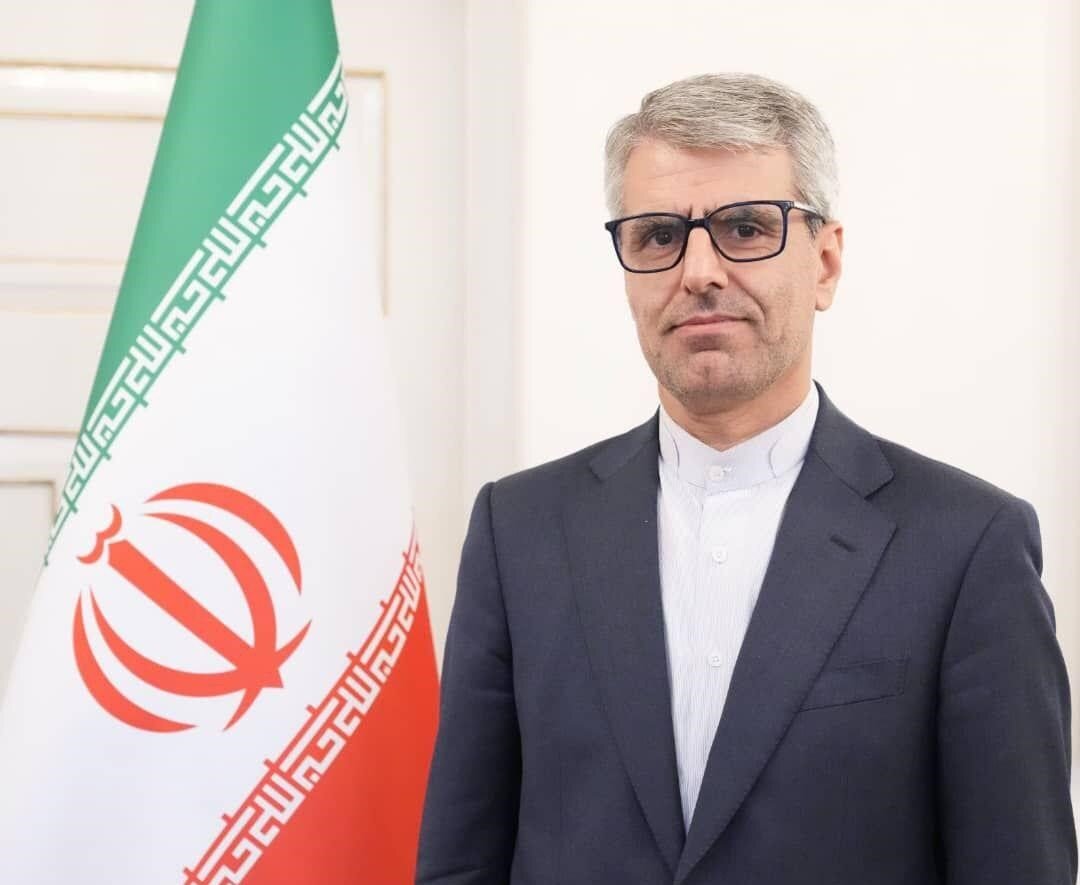
Iran's refusal to attend talks scheduled for 22 April in Islamabad has exposed the fragility of the ceasefire arrangement in the Middle East, complicating Washington's diplomatic endgame less than two weeks after the initial agreement was struck. Tasnim, the Iranian semi-official news agency, reported on 21 April that Tehran would not participate in the talks. A separate dispatch from IRIB, Iran's state broadcaster, went further: Iran does not recognise the extension of the ceasefire and may or may not observe it depending on its national interests, the outlet reported.
The practical consequence arrived within hours. Vice President JD Vance's planned trip to Islamabad for the Iran nuclear dialogue was put on hold after Iran failed to respond to US negotiating terms, CNN reported, citing sources familiar with the matter. The trip — which would have placed the second-highest-ranking US official in direct proximity to the principals Tehran was asked to send — is currently suspended, the report said.
What the sources do not clarify is whether Iran's non-response constitutes a negotiating tactic or a genuine withdrawal from the diplomatic track. Separate Iranian state-adjacent channels described Tehran as actively preparing for negotiations even as the IRIB statement on ceasefire recognition was being circulated. That internal contradiction — simultaneous preparation and boycott — is itself the story.
The cost Washington cannot yet count
The diplomatic impasse arrives at an awkward moment for the Pentagon. The department still does not know how much it will cost to rebuild the bases that were attacked by Iran, CNN reported on 21 April, citing a defence official who declined to specify a figure. The cost estimate depends on how the US decides to restore them or whether to restore them at all, the official told the network.
That ambiguity is not merely logistical. The dollar figure for reconstruction will shape the domestic political calculus around continued US presence in the region and the degree to which Washington is prepared to absorb costs it did not anticipate when the original ceasefire framework was agreed. It also feeds into the broader question of what guarantees — financial, structural, or security — the US is prepared to offer Iran in exchange for verifiable nuclear constraints.
Tehran's conditions, unmapped
The sources do not specify what Tehran's counter-conditions are. What is clear is that the IRIB statement on ceasefire recognition is not a procedural quibble. For Iran, the ceasefire — understood to be the 21-day pause negotiated with US encouragement following the direct exchange of military strikes between Iran and Israel — was time-limited by its original terms. An extension agreed between Washington and Tel Aviv does not automatically bind Tehran unless Tehran consents.
That framing puts the US in the position of enforcing an arrangement that one party has formally declined to join. The Vance mission was designed precisely to bridge that gap. Its suspension leaves the diplomatic architecture without its keystone pillar at the moment when the structure is most needed.
A negotiation that may already be over
The conventional reading of Iran's boycott is that it represents maximalist leverage — a demonstration that the US cannot broker a regional deal without Tehran's explicit buy-in. A second reading, less comfortable for Washington, is that the boycott reflects genuine internal disagreement in Tehran about whether a negotiated outcome serves Iranian interests at all.
The simultaneous signals — preparations ongoing, participation refused, ceasefire recognition conditional — suggest a regime that has not settled its own position. That is a different problem from a regime that has decided to walk away. It means the door remains technically open, but the threshold is contested ground.
What the next seventy-two hours will determine is whether the Vance mission resumes, whether a back-channel substitutes for the formal Islamabad format, or whether the ceasefire arrangement — already fraying at its edges — begins to unravel in ways that make a return to direct hostilities more likely. The cost of that outcome, unlike the cost of rebuilding a base, is one that no official has been willing to quantify.
This publication's wire feed gave the Iran-boycott story dominant placement, consistent with its significance for regional stability. The framing centred on diplomatic mechanics rather than the underlying strategic question of whether the ceasefire was ever a shared commitment or a unilateral US assumption.
Wire provenance
This editorial synthesis draws on the following public wire/social posts:
- https://t.me/Middle_East_Spectator/0
- https://x.com/sprinterpress/status/1913349901234237569
- https://t.me/uniannet/0
- https://x.com/unusual_whales/status/1913344976448713202
- https://t.me/Middle_East_Spectator/0
- https://x.com/sprinterpress/status/1913349412432916723