Mossad Confirms Loss of Operative in Ongoing Iran Conflict
Iranian state media reported on 21 April 2026 that Mossad director David Barnea confirmed the death of an operative during the continuing conflict with Iran, a claim that could not be independently verified by Western outlets.
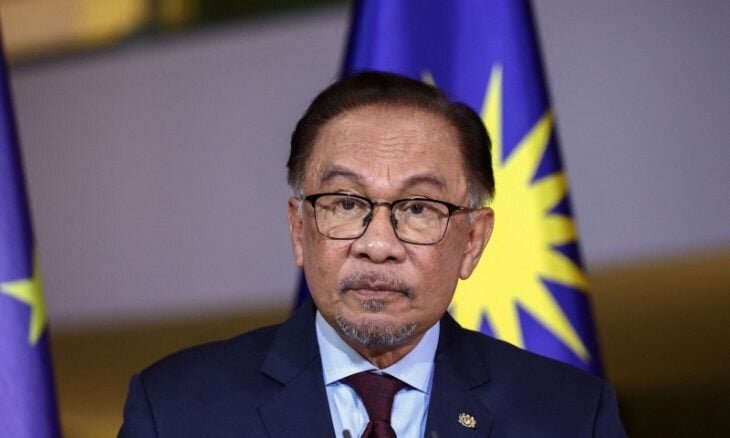
Tasnim News Agency reported on 21 April 2026 that Mossad director David Barnea confirmed the death of one of the agency's operatives during the continuing conflict with Iran. The announcement, carried by the Iranian state-affiliated news service, was the first official acknowledgment from Tel Aviv that an intelligence operative had been killed since the escalation of hostilities between the two states in mid-April.
The report did not identify the agent, disclose when the death occurred, or specify the operational circumstances surrounding the loss. Iranian state media characterised the statement as a confirmation of what it framed as an Israeli intelligence failure.
No independent confirmation of the announcement was available from Israeli government channels, Western intelligence services, or independent wire services as of publication. The discrepancy between the name transliterated as "David Barnia" in the initial Telegram reports and the known Mossad director David Barnea reflects typical variation in Farsi-to-English transliteration but introduces additional uncertainty about the precise wording of the reported statement.
Sourcing the Claim
The announcement arrived through channels with a documented interest in framing Israeli operations in the most damaging light. Iranian state media has, on multiple prior occasions, published intelligence-related claims that either proved unsubstantiated or could not be independently verified by outside parties. The sourcing environment for this category of report is inherently asymmetric: Tel Aviv rarely comments on the status or disposition of individual Mossad personnel, and Western outlets typically defer to official Israeli statements—which in this case have not materialised.
The broader context is not in dispute. On 14 April 2026, Israel conducted precision strikes against Iranian nuclear infrastructure in Esfahan and Natanz. Iran responded with ballistic missile salvos targeting Israeli territory and, according to multiple regional sources, critical infrastructure in allied states hosting U.S. military assets. The United States deployed additional carrier assets to the Persian Gulf and engaged in intercept operations against inbound missiles.
What remains contested is whether Tel Aviv would publicly confirm a covert operative's death through an Iranian intermediary rather than through its own communication channels. Israeli military and intelligence spokespersons typically handle casualty notifications domestically. The unusual routing of this statement through Iranian state media raises questions about whether it reflects a deliberate Israeli choice, a leak, or a mischaracterisation by Tehran of a statement made in a different context.
Operational Context for Intelligence Losses
Covert intelligence operatives face heightened risk during periods of open armed conflict. The intelligence war between Israel and Iran predates the current escalation by decades, encompassing sabotage operations against nuclear facilities, assassinations of scientific personnel, and cyber operations against infrastructure. The current kinetic conflict has not eliminated the covert dimension; it has instead compressed the timelines and increased the stakes of operations that previously operated in the shadows.
Mossad has historically maintained a high degree of operational secrecy around personnel losses. Public confirmation of a named operative's death in an active conflict would represent a departure from standard practice, though the circumstances of an ongoing war may alter those norms. Iranian state media's framing—using language that characterised the loss as a failure for Israeli intelligence—suggests Tehran is treating the announcement as a propaganda asset as much as an operational disclosure.
The operational security implications are significant. Confirming that an operative is dead eliminates any residual value that agent might still hold as an intelligence asset or source. It also signals to remaining operatives that their cover may be compromised, potentially prompting redeployment or extraction.
What the Announcement Means and What It Does Not
If verified, the death of a Mossad operative represents a concrete human cost of the continuing conflict and a setback for Israeli intelligence operations in Iran. The loss of a trained operative embedded in an adversary state disrupts ongoing collection efforts, burns network contacts, and requires reconstitution of any assets the agent cultivated.
The announcement does not, however, constitute independent evidence of Israeli operational failure. Iranian state media has an established record of selectively reporting or embellishing intelligence matters when the framing serves political purposes. The current period—marked by sustained military exchanges, international diplomatic pressure, and contested narratives about the conflict's justification—creates strong incentives for all parties to manage information about successes and failures.
The ambiguity here is not incidental. Both Tel Aviv and Tehran have strong reasons to either confirm or withhold information about intelligence losses depending on what narrative they wish to project. Without an Israeli official confirmation, the precise circumstances, timing, and significance of the reported loss remain uncertain.
Forward Stakes
The confirmation, if genuine, signals that the intelligence dimension of the Israel-Iran conflict continues even as kinetic operations dominate the headlines. The loss of a covert operative affects not only operational capacity but also the willingness of future assets to work with Israeli intelligence under conditions of open conflict, where extraction options are limited and adversary intelligence services are on high alert.
For Tehran, the announcement—regardless of its veracity—serves a dual purpose: demonstrating that Israeli intelligence operations carry real risks, and potentially unsettling Israeli public opinion by inserting a human cost into a conflict framed in technical and strategic terms.
For Tel Aviv, the stakes include maintaining operational security around remaining personnel, managing the political implications of confirmed losses, and continuing intelligence collection against an adversary with demonstrated capacity to inflict significant damage through both conventional and unconventional means.
What the sources do not specify is whether the Israeli government plans to issue its own confirmation, whether the family of the operative has been notified through official channels, or what specific operational failure—if any—led to the agent's death. Those details, if they emerge, will determine whether this announcement reflects a significant intelligence breach or an opportunistic piece of information warfare from Tehran.
Monexus has covered this story from the available Telegram-sourced reports. Western wire services had not published independent confirmation as of publication. The editorial approach treated the Iranian state media report as a claim requiring corroboration rather than a confirmed fact, while noting the operational and political context that makes such reports inherently difficult to verify independently during an active conflict.
Wire provenance
This editorial synthesis draws on the following public wire/social posts:
- https://t.me/tasnimnews_en
- https://t.me/JahanTasnim
- https://en.wikipedia.org/wiki/Joint_Comprehensive_Plan_of_Action
- https://en.wikipedia.org/wiki/Nuclear_program_of_Iran