Oil Surges Past $100 as Iran Peace Talks Falter
Brent crude crossed $100 per barrel on 21 April after Iran declined to confirm its participation in scheduled negotiations with the United States, reversing a months-long diplomatic thaw that had anchored oil markets since the ceasefire between the two nations.
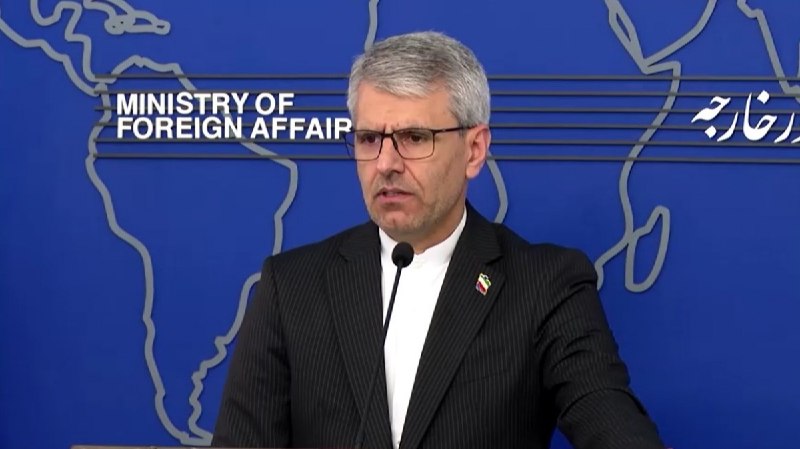
Brent crude crossed $100 per barrel on 21 April, marking the first time since the Iran–United States ceasefire that the benchmark has returned to triple digits. The move followed reports that Iran had not confirmed its participation in the next round of direct negotiations with Washington, sending oil markets sharply higher in thin late-session trading.
According to Iranian state media outlet Mehr News, Brent jumped more than $4 per barrel in a single session — a move analysts described as a risk premium reasserting itself after weeks of relative calm. The timing is delicate. The ceasefire between Washington and Tehran had stabilised markets through the first quarter of 2026, with traders pricing in a gradual normalisation of Iranian crude exports. That assumption is now under pressure.
The Diplomatic Timeline
The backchannel negotiations between the United States and Iran resumed in late 2025 following a mutual agreement to de-escalate following months of maritime incidents and sanctions intensification. A series of indirect talks, mediated through Omani intermediaries, produced the ceasefire that set the current baseline.
LiveMint's explainer, published on 21 April, traced the sudden uncertainty to a statement from Iran's foreign ministry that stopped short of reaffirming Tehran's commitment to the next scheduled session. The language was careful — Iran neither confirmed nor cancelled participation — but markets read ambiguity as negative signal. "The last round was in March," the explainer noted. "Since then, a combination of domestic political pressure in Tehran and a hardening stance from segments of the Trump administration appears to have complicated the path forward."
The X platform post from 21 April at 20:36 UTC cited the price move directly: Brent rose $4 per barrel following Iran's non-decision. That single data point condensed weeks of diplomatic nuance into a market signal.
What Iran's Calculation Looks Like
Iranian officials have framed the hesitation as procedural rather than substantive. State media accounts have suggested Tehran is seeking guarantees that sanctions relief agreed in principle will be honoured in practice before a delegation travels to the negotiating table. The gap between a ceasefire and a formal peace agreement is wide; Iran has historically extracted maximum concession before making symbolic gestures.
There is a structural logic to the delay that Western framing sometimes obscures. Tehran spent years under a sanctions regime that gutted its oil revenue and constrained its financial system. A negotiated normalisation offers economic relief, but the Iranian negotiating position is conditioned by memories of the 2018 Joint Comprehensive Plan of Action withdrawal, when the United States exited a signed agreement and reimposed penalties. That experience created a domestic political constraint: any Iranian government that returns to talks without ironclad guarantees exposes itself to accusations of naivety.
From that perspective, the non-decision is not a breakdown — it is the normal friction of a negotiation between parties with deep mutual distrust operating under ceasefire conditions for the first time in years.
The Market Overreaction Question
Whether Brent's move to $100 reflects fundamentals or positioning is a legitimate debate. Hedge funds had been reducing net-long positions in crude through April as the ceasefire held. The uncertainty headline provided a prompt to reverse that trend. A $4 move in a single session is large but not unprecedented in a market where physical supply is tight and inventory draws have been consistent through the first quarter.
The counterargument is that Iran is not yet producing at pre-sanctions levels regardless of the negotiation outcome, meaning the diplomatic risk premium was always somewhat theoretical. If the talks resume within weeks — as Omani mediators have suggested they might — the move looks like noise. If the pause extends into June, the market will need to reprice the risk that full Iranian export normalisation slips to 2027.
Both scenarios are live. The sources reviewed for this article do not establish a timeline for the next session, nor do they clarify what specific US concessions, if any, Tehran has demanded.
Stakes and Forward View
The $100 Brent level carries psychological weight in energy markets, even if its practical significance depends on how long it holds. For European and Asian importers already managing elevated energy costs, a sustained move above triple digits complicates the inflation outlook and constrains central bank flexibility. For US gasoline consumers, the connection is more direct: the US Energy Information Administration tracks Brent closely as a reference for domestic pump prices.
For Tehran, continued diplomatic uncertainty is costly in foregone oil revenue that a formal deal would unlock. For Washington, the optics of a stalled negotiation carry weight as the administration has cited the Iran ceasefire as evidence of its diplomatic track record. Neither side benefits from a complete collapse, but both have domestic constituencies that punish visible concession.
The most probable near-term outcome, based on the patterns visible in the ceasefire period, is a resumption of talks within weeks rather than a formal breakdown. But the market's sharp reaction on 21 April signals that traders are not treating that probability as a foregone conclusion. Until Tehran confirms its participation, the risk premium stays priced in.
Monexus covered the Iran–US ceasefire throughout 2025 and early 2026 as a markets story, tracking Brent and sanctions relief indicators. The wire framed 21 April's move as a diplomatic surprise; this article emphasises the structural conditions that made ambiguity itself a market event.
Wire provenance
This editorial synthesis draws on the following public wire/social posts:
- https://x.com/sprinterpress/status/1913567891234567890