Trump Opens Door to Direct Iran Talks as War Powers Shift Energy Funding
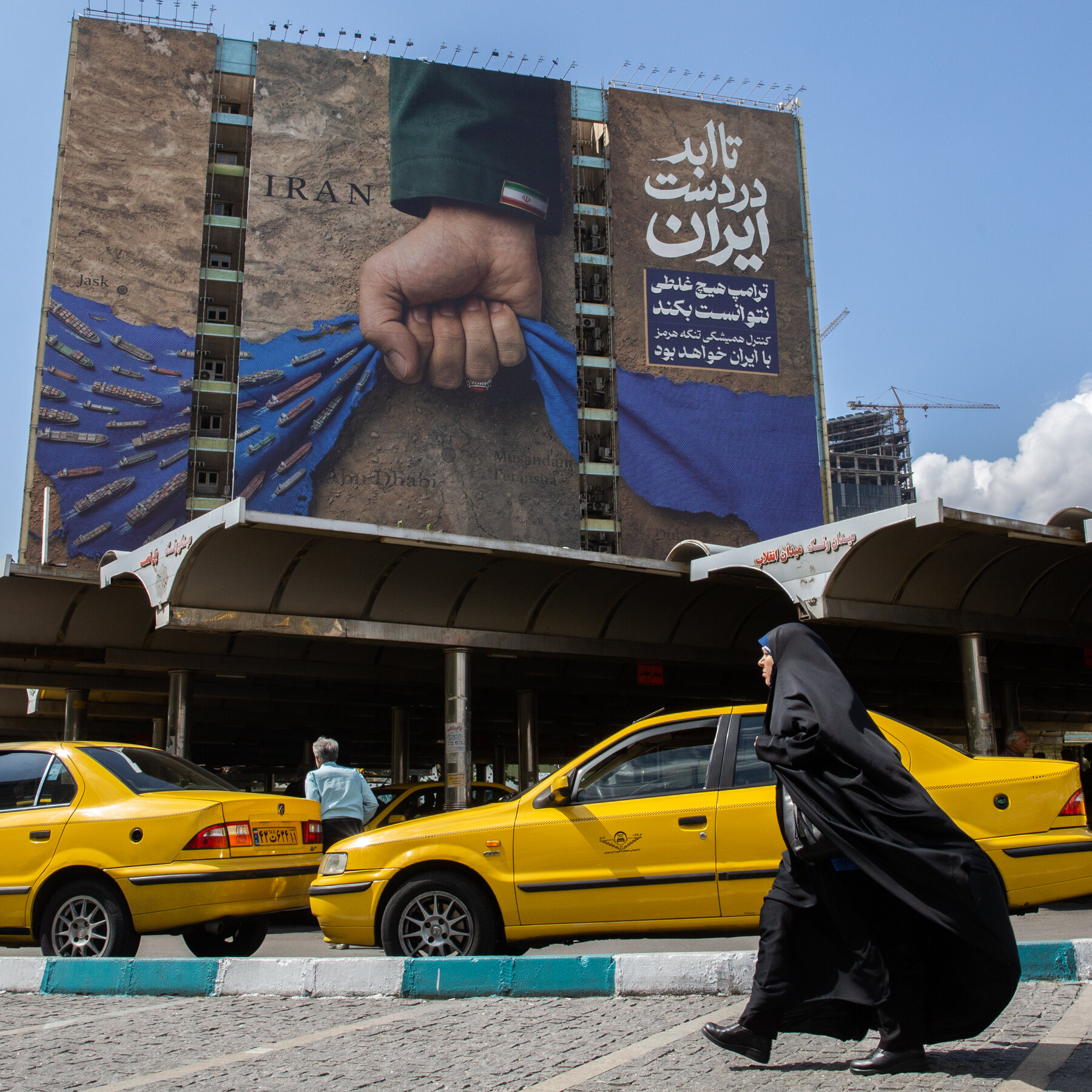
On 20 April 2026, the Trump administration issued two signals that, taken together, reveal a White House navigating competing instincts: a stated openness to a direct meeting with Iranian leaders, alongside a sweeping invocation of emergency economic authorities to redirect federal spending toward fossil fuels and grid infrastructure.
The sequencing matters. Hours before news broke that President Trump had told reporters he would meet Iranian counterparts directly "if a breakthrough is reached," the administration had already moved to invoke war-powers-era emergency authorities — originally designed to expedite defence procurement — to channel federal funding into coal, liquefied natural gas, oil and electrical grid upgrades. The two actions sit uneasily alongside each other. One signals diplomatic flexibility; the other leans on the legal architecture of a kinetic national security emergency to fast-track an energy agenda that has little to do with any active theatre of conflict.
The War Powers Move and Its Legal Backing
The invocation, reported on 20 April 2026, drew on authorities that allow federal agencies to bypass normal procurement and environmental review timelines when a "defence emergency" is declared. The administration cited grid vulnerability and energy security — framing domestic infrastructure as a national security matter. Coal, LNG, oil and transmission upgrades are the stated beneficiaries.
Critics immediately flagged the novelty of the interpretation. War-powers emergency authorities have historically been used to accelerate weapons shipments, station forces or secure allied supply chains during active conflicts. Applying them to domestic energy production, absent a declared war, tests the outer boundaries of executive discretion in ways that are likely to attract litigation. The legal question is whether a broad "energy security" rationale — rather than a specific, ongoing kinetic emergency — satisfies the statutory threshold for activation.
The Iran Opening
The same administration, however, signalled on 20 April 2026 that direct engagement with Tehran was not off the table. Trump told reporters he would meet Iranian leaders directly if a breakthrough were in reach, a notable shift from the "maximum pressure" posture of the first term and from the sustained air-and-missile exchange between Israel and Iranian-aligned forces that has defined much of the regional security picture in recent months.
Iranian officials have yet to respond publicly with equivalent flexibility. Iran's supreme leader has historically insisted on a formal end to nuclear-related sanctions before any summit-level meeting, a condition the United States has not conceded. Whether Trump's stated openness translates into a concrete invitation — or merely a hedge — is not yet clear from the reporting available as of 21 April 2026.
The juxtaposition of a hardline energy posture backed by war-emergency authority with a diplomatic overture to the same adversary raises a structural question that the administration has not resolved publicly. Is the energy move a negotiating tactic — a demonstration of leverage — or a standalone policy objective that happens to share an administration's name with a concurrent diplomatic channel?
Structural Frame: Emergency Powers as Policy Instrument
What is becoming apparent is that the executive branch's comfort with emergency authorities has expanded well beyond their original Cold War-era purpose. The pattern — declaring a national emergency, invoking streamlined procurement, redirecting funds outside congressional appropriation — has now been applied to border security, infrastructure, and energy in succession. Each invocation leans on a slightly different legal theory; each is likely to face a different challenge in court.
The Iran channel complicates the picture further. Diplomatic engagement with a state under sanctions — and with which the United States has no formal diplomatic relations — requires either a sanctions waiver, a formal diplomatic track, or a quiet understanding that circumvents both. The war-powers funding move does nothing to ease that legal constraint; in some readings, it reinforces the confrontational posture that the Iran talks are meant to offset.
What Remains Uncertain
The sources do not specify the precise legal mechanism by which the war-powers invocation translates into actual disbursements, nor do they indicate which federal agencies have received reprogramming authority. The administration has not published a formal emergency declaration tied to a specific statutory citation. On the Iran side, no date, venue or principal-to-principal format has been proposed; Iranian officials have not confirmed receipt of any invitation, nor have they signalled a willingness to respond.
The overlap of these two threads — emergency powers and diplomatic outreach — does not yet amount to a coherent strategy. It reads, at this stage, as parallel tracks that may or may not be connected, and that the administration has not bothered to reconcile publicly.
This article was filed from Washington. The wire led with the war-powers move; Monexus has foregrounded the Iran channel as the more consequential signal given current regional dynamics.
Wire provenance
This editorial synthesis draws on the following public wire/social posts:
- https://x.com/polymarket/status/1992348765432117
- https://x.com/polymarket/status/1992312345678901
- https://x.com/unusual_whales/status/1992298765432198