China Backs Trump's Ceasefire Extension, Warns of Critical Stage in Middle East Diplomacy
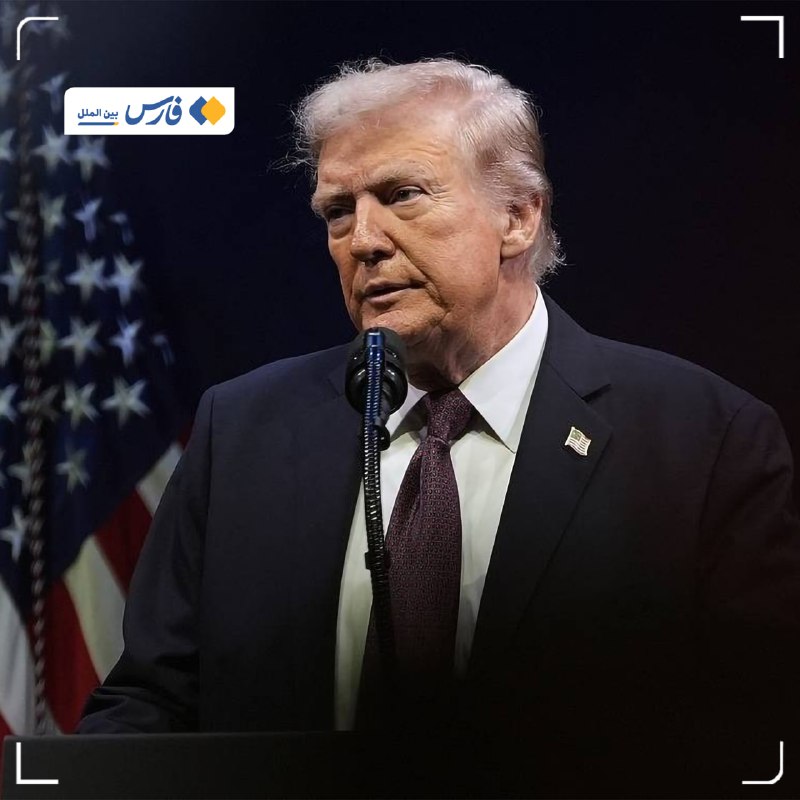
China's Ministry of Foreign Affairs issued a carefully calibrated statement on 22 April 2026 endorsing the extension of the ceasefire proposed by the Trump administration, while simultaneously cautioning that the Middle East remains in a critical phase where the risk of renewed war has not passed.
The statement, carried across multiple state-adjacent and regional wire services, marked Beijing's most direct response to the U.S. ceasefire framework since the initial proposal. China's position is not passive endorsement. Officials made clear that Beijing views the diplomatic window as fragile, and that all parties must be steered toward political channels — a formulation that implicitly criticises any hardening of positions that could collapse the truce.
Beijing's Measured Endorsement
The Chinese MFA statement, timed to coincide with the announcement from Washington, expressed support for what officials described as a "comprehensive and permanent ceasefire." The language is deliberate. Beijing is not merely acknowledging the ceasefire extension — it is inserting itself into the framing by insisting on the permanence of any eventual arrangement. That distinction matters. The Trump administration's announcement focused on extending the current truce; China is using the moment to push a longer-term formulation that aligns with its own stated preference for structural resolution over episodic de-escalation.
The statement also described the situation in the Middle East as passing through a "critical stage," a formulation Chinese diplomacy deploys when it wants to signal urgency without taking sides on proximate causes. "The top priority remains to make every possible effort to prevent the resumption of war," the MFA said, according to the Arabic-language wire service Al-Alam. That language places Beijing on record as prioritising conflict prevention — and implicitly positions China as a stakeholder in the region's stability rather than a distant commentator.
What Beijing Is Not Saying
The Chinese statement studiously avoids naming any party to the conflict, declining to attribute responsibility for the original outbreak or to criticise specific actors whose actions might have triggered it. That reticence is strategic. Beijing has cultivated relationships across the regional spectrum — with Gulf states, Iran, and various non-state actors — and has no interest in statements that alienate any party it may need as a counterweight to U.S. influence in future negotiations.
The MFA's call for all parties to resolve disputes through "political and diplomatic channels" is formulaic enough to be universally applicable. But in the context of the Middle East, it functions as an implicit endorsement of negotiated frameworks over military ones — a position that, while non-specific, leans against the logic of continued offensive operations by any actor. China is signalling that it will not be a permissive bystander if diplomacy collapses.
The Structural Context: China as Middle East Stakeholder
Beijing's engagement with the region has deepened substantially over the past decade. Chinese companies hold significant energy sector interests from Gulf states to Iraq. The Belt and Road framework has extended Chinese infrastructure and economic footprint across the Levant and North Africa. Xi Jinping made a regional visit in 2025 that underscored China's desire to be treated as a legitimate diplomatic player in a region historically dominated by U.S., European, and Russian influence.
That structural interest explains the tone of the MFA statement. Beijing is not neutral in the functional sense — it has real economic stakes in regional stability. What it is pursuing is a diplomatic posture that positions China as a stabilising force while avoiding the costs and liabilities of direct military engagement. The ceasefire extension gives Beijing an opening to be seen as a responsible great power, one that endorses de-escalation without having been party to the original conflict.
The timing of the Chinese statement — arriving within minutes of the Trump announcement — also suggests a degree of coordination or at minimum pre-positioned communication. Western wire accounts have noted that Beijing and Washington have maintained back-channel diplomatic contacts throughout the current Middle East crisis. The MFA statement's compatibility in tone and content with the U.S. announcement is unlikely to be coincidental.
Stakes and Forward View
If the ceasefire holds and evolves into a durable political framework, Beijing stands to benefit from being on record as a supporter of that arrangement. Chinese companies operating in the region will face a more predictable commercial environment. More importantly, Beijing will have secured a position in the diplomatic architecture of any future regional order — not as a guarantor, but as a legitimising voice.
If the ceasefire collapses, Beijing's carefully hedged statement provides some insulation. It endorsed peace without committing to enforcement; called for diplomacy without specifying its content. The Chinese position is structured to allow Beijing to pivot without visible inconsistency regardless of how events unfold.
The critical variable is whether the parties to the conflict — those with direct military stakes on the ground — accept the diplomatic framing Beijing is endorsing. China's voice adds weight to the peace case, but it does not determine outcomes. The MFA statement is, at bottom, a declaration of interest rather than a guarantee of influence. Whether Beijing's expression of support translates into material diplomatic leverage will depend on whether the regional actors see value in a Chinese role.
This publication covered the MFA statement as a diplomatic development, foregrounding China's institutional framing rather than the U.S. announcement as the primary news peg. The wire services led with Washington's extension of the ceasefire; this article led with Beijing's response — a deliberate structural choice to centre a great power's calibrated engagement rather than repeat the U.S. frame.
Wire provenance
This editorial synthesis draws on the following public wire/social posts:
- https://t.me/alalamarabic/43629
- https://t.me/JahanTasnim/22841
- https://t.me/alalamfa/11287
- https://t.me/alalamarabic/43626
- https://t.me/alalamarabic/43622