French UNIFIL Peacekeeper Dies From Wounds Sustained in Lebanon Attack, Macron Confirms
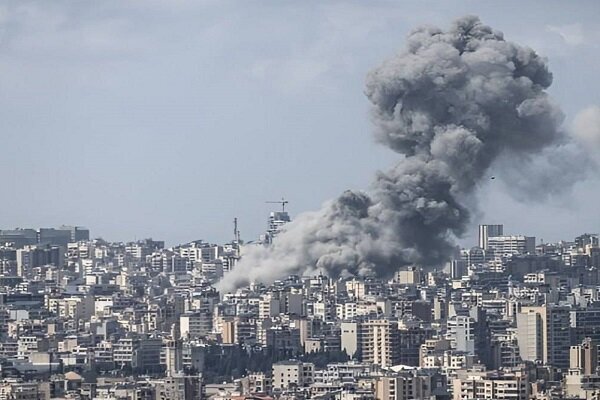
Emmanuel Macron confirmed on 22 April 2026 that a French soldier serving with the United Nations Interim Force in Lebanon has died from wounds sustained in an attack over the preceding weekend. The announcement, reported across multiple channels including the French president's office and UNIFIL-linked monitoring feeds, drew immediate condemnation from Paris and fresh attention to the deteriorating security environment facing the 10,500-strong mission.
The death compounds a difficult period for the contingent. French forces make up one of UNIFIL's largest European contributors, and Paris has long treated the mission as a signature element of its Middle East engagement. The loss of a French soldier in theatre — confirmed by Macron himself rather than filtered through diplomatic channels — signals a level of direct presidential investment that observers of French foreign policy will note.
UNIFIL's Mandate and the Erosion of Its Protective Posture
UNIFIL was established in 1978 to monitor the Blue Line separating Lebanon from Israel, expanded significantly after the 2006 war between Hezbollah and Israel under UN Security Council Resolution 1701. Its mandate includes observing hostilities, assisting the Lebanese Armed Forces in border regions, and providing a buffer that both sides are theoretically committed to respecting. In practice, the mission has operated under persistent constraints — limited access to suspected weapons storage sites, a prohibition on proactive enforcement, and a dependence on host-government consent that has never been fully tested under crisis conditions.
The attack that wounded the soldier, and the subsequent fatality confirmed on 22 April, did not occur in a vacuum. Southern Lebanon has experienced a sustained uptick in exchanges of fire between Hezbollah and Israeli forces since October 2023, well beyond the sporadic incidents that characterised the pre-war equilibrium. UNIFIL has publicly reported multiple incidents of peacekeepers being endangered by nearby hostilities — proximity fire, ingress of projectiles into patrol areas, and damage to observation posts. The mission's rules of engagement permit defensive action but have rarely been tested at scale.
Escalation Dynamics and the Problem of Attribution
The question of who bears responsibility for the attack that wounded the French soldier is not settled by the sources available. UNIFIL statements typically avoid attributing specific incidents without completed investigations, a convention that reflects the political sensitivity of such findings rather than evidentiary caution alone. Hezbollah has not issued a statement directly addressing the casualty, and Israeli authorities have not commented through the channels monitored for this report.
That ambiguity is itself significant. In previous incidents involving UNIFIL personnel, the pattern has been: an exchange of fire occurs, a peacekeeper is hit, and both sides offer explanations that implicate the other without formally claiming responsibility. The result is a accountability vacuum in which the mission absorbs harm without a clear party being held to account. France's decision to announce the fatality publicly, rather than through UN channels alone, may be read as an attempt to compress that vacuum — forcing a political response where a bureaucratic one would diffuse attention.
France's Commitment to the Mission and Its Strategic Calculus
Paris has maintained a robust troop contribution to UNIFIL throughout the post-2006 period, deploying armoured vehicles, engineering units, and command staff to the mission's French-Italian brigade structure. The political cost of a peacekeeper killed in action is not abstract for French governments: domestic support for overseas military commitments, including peacekeeping, has tightened since the Sahel reorientation and the drawdown of Barkhane forces. A French casualty in Lebanon does not automatically generate pressure for withdrawal — the mission's UN framing offers political insulation — but it adds a line item to a ledger that French defence planners are increasingly asked to justify.
Macron's direct announcement suggests the Élysée considered the political weight sufficient to warrant presidential-level attribution. Whether that calculus reflects a desire to underline France's commitment to multilateral peacekeeping, to signal to regional actors that attacks on UN personnel carry diplomatic costs, or simply to manage domestic reporting honestly, is not resolved by the available sources.
Risks Ahead for the Mission's Footing
UNIFIL's structural position — a lightly armed interposition force between two actors engaged in live hostilities — has always contained an element of managed risk. The mission has survived multiple serious crises, including the 2006 war, without being withdrawn. But the current environment tests the premise that a buffer can hold when both sides are actively exchanging fire and both have stated, at various points, that they do not consider themselves bound by the full scope of Resolution 1701's obligations.
The death confirmed on 22 April does not, by itself, alter the mission's formal posture. But it raises the threshold at which contributor nations, particularly European ones with parliaments that track troop casualties, can sustain domestic consent for the mission. France has been one of UNIFIL's most reliable backers; a second French casualty in short order would sharpen the conversation about whether the mission's limitations make the risk disproportionate to its utility.
What the sources do not yet establish includes the precise location of the attack, the weapon or delivery system involved, and whether any party has formally accepted responsibility through official channels. The attack itself was not independently documented in the sources available at the time of filing, beyond the confirmation of its outcome. Those details, if they emerge, will be material to assessing whether this represents an isolated incident or a qualitative shift in the threat environment facing UNIFIL personnel.
This publication covered the Macron announcement as the lead frame. Wire reporting from the region is expected to expand the factual record in the hours following filing.
Wire provenance
This editorial synthesis draws on the following public wire/social posts:
- https://t.me/war_onitor/58432
- https://t.me/JahanTasnim/44791
- https://t.me/alalamarabic/28401
- https://t.me/wfwitness/33401