Iran Seizes Two Vessels in Strait of Hormuz as Regional Tensions Escalate
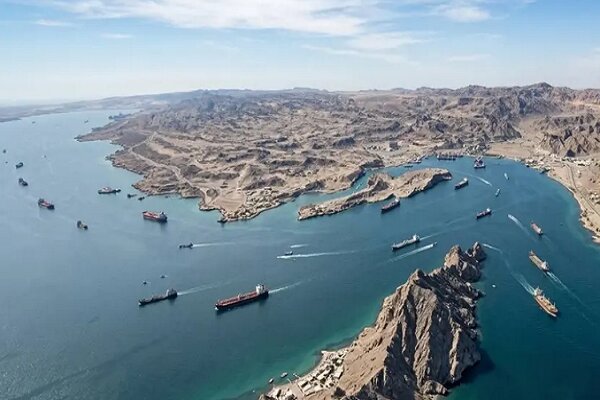
Iran's Islamic Revolutionary Guard Corps seized two commercial vessels transiting the Strait of Hormuz on 22 April 2026, according to multiple reports citing Iranian state media. The ships — their flags and operators still being confirmed as of publication — were taken into Iranian custody and directed toward Iranian ports. The incident marks a significant escalation in a confrontation that has been building since Washington's maximum-pressure campaign resumed in January.
The seizure comes hours after The Times reported that Ukraine's government had signalled willingness to deploy naval assets to the Hormuz Strait, a move that would place Ukrainian vessels in one of the world's most heavily surveilled maritime corridors. Neither Ukrainian nor Western officials have confirmed that any deployment is imminent, but the combination of the Times report and the Iranian interdiction has pushed energy market anxiety to levels not seen since tanker traffic disruptions in 2019.
Iran's framing is direct. A senior official close to the IRGC's naval command, writing on the social platform X, attributed the Hormuz restriction — and by extension the seizure — to what he described as a US economic siege against Iranian ports, arguing it constitutes a violation of ceasefire understandings that had marginally de-escalated tensions in early 2026. Iranian state media amplified the claim that the restrictions on non-Iranian shipping were a proportional response to American pressure, not an unprovoked act. That framing has found some purchase in regional capitals and among diplomatic observers who note that the Trump administration's re-imposition of sweeping sanctions in February had sharply curtailed Iranian oil export revenue.
Western governments have not issued formal responses as of 18:00 UTC on 22 April. The US Central Command, which maintains a persistent naval presence in and around the Persian Gulf through the US Fifth Fleet, declined to comment. The UK's Maritime Trade Operations agency, which issues advisory warnings to British-flagged vessels, had not issued an updated alert at time of publication, suggesting the vessels involved may not fly British or Commonwealth flags.
The structural context is not difficult to identify. The Strait of Hormuz is the world's most critical chokepoint for oil transit — roughly 20 to 21 million barrels per day move through it, according to the US Energy Information Administration's most recent publicly available figures, accounting for approximately one-fifth of global oil consumption. Any seizure of vessels in that corridor — even temporary — introduces uncertainty into freight insurance calculations, rerouting decisions, and tanker charter rates. Markets are sensitive to signals of disruption in both directions: Iran's ability to interdict traffic reinforces its deterrence value; the risk is that the same capability, deployed aggressively, becomes the catalyst for a retaliatory response that spirals beyond the initial incident.
The Ukraine dimension complicates the picture. Kyiv has sought to demonstrate its strategic reach and relevance to Western partners throughout the Russia-Ukraine conflict, and a Hormuz deployment — however symbolically significant — would signal willingness to operate far beyond the Black Sea. Whether that deployment is politically viable, logistically achievable, or aligned with Ukrainian strategic priorities is not yet clear. What is clear is that Iran has taken note. Tehran's framing of the seizure as a response to US pressure — and its implicit suggestion that any foreign vessel operating in support of that pressure is a legitimate target — is a warning that extends beyond the immediate shipping lane.
What remains uncertain is whether this seizure represents a deliberate policy decision by Tehran's military command or an operational move by an IRGC naval element acting with partial authorisation. Iranian government communications on the incident have been consistent in attributing the restriction to national security calculations, suggesting at minimum institutional backing. But the speed of the move — coming within hours of the Ukrainian deployment reports — raises the question of whether Tehran is testing Western resolve, responding to domestic pressure from hardline factions, or executing a pre-planned escalation against what it characterises as a tightening US encirclement.
For energy markets, the proximate risk is not the seizure itself but its signal effect. Two ships seized and redirected to Iranian ports is manageable in the short term. Two ships seized and used to demonstrate that the IRGC can unilaterally close transit lanes is a different proposition. Tanker freight rates respond to uncertainty before they respond to actual supply disruptions; a sustained Iranian interdiction posture — rather than a single incident — would begin to appear in the futures curve within days.
The desk note on framing: the dominant Western wire framing treats the seizure as a provocation — which it is — but gives less space to the structural question of what conditions Iran believes it is responding to. This article attempted to hold both dimensions: the act itself, and the causal logic Tehran is invoking. Whether that balance holds across a longer escalation depends on what Washington's next move signals.
Wire provenance
This editorial synthesis draws on the following public wire/social posts:
- https://x.com/polymarket/status/1912953535913279488
- https://t.me/hindustantimes/412918
- https://x.com/s_m_marandi/status/1912956518394069259
- https://t.me/TSN_ua/38412