Fuel Shock: How the Iran Conflict Is Rewriting the Rules of Global Energy
The Iran conflict has sent jet fuel and heating costs surging across Europe and the UK, prompting airlines to cancel tens of thousands of flights and household budgets to stretch under newly elevated prices.
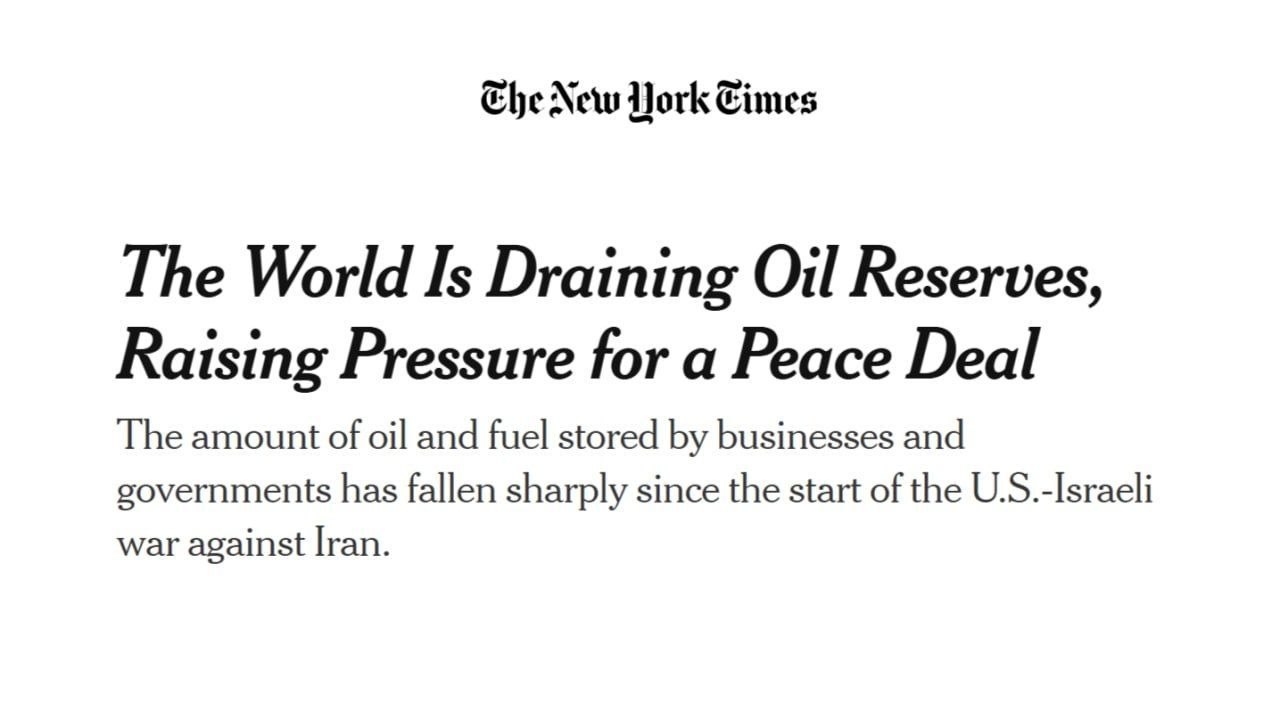
The Iran conflict has sent jet fuel and heating costs surging across Europe and the UK, prompting airlines to cancel tens of thousands of flights and household budgets to stretch under newly elevated prices. The first official confirmation came on 22 April 2026, when the UK's Office for National Statistics reported that inflation had risen following what it described as fuel price increases driven by the Iran war. That single data point — an inflation uptick rooted in Middle Eastern conflict — has become the most concrete marker yet of how the conflict is flowing into everyday costs in Western economies.
What began as a geopolitical shock in the Gulf is now a measurable pressure on real economies. The question is not whether costs will rise, but how permanently the market has shifted, and who absorbs the shock first.
Airlines Bear the Brunt
Lufthansa has cut approximately 20,000 flights from its summer schedule to reduce fuel expenditure, according to reporting confirmed across multiple outlets including the Financial Times and BBC News on 22 April 2026. The German airline is the latest in a broader trend: carriers across Europe have begun trimming routes and delaying seasonal expansions as jet fuel prices climb. The cuts are not cosmetic — they represent a structural response to a sustained input cost shock rather than a short-term spike the market might absorb.
The timing is awkward for the industry. The post-pandemic recovery in air travel had returned to near-normal capacity planning, and carriers had invested heavily in resuming routes that were suspended during COVID-19 restrictions. That recovery trajectory now faces a new obstacle. Fuel has historically been the largest variable cost for airlines; when it spikes, the pressure to cut capacity is near-immediate because ticket pricing cannot adjust at the same speed.
The conflict has also complicated the logistical calculus for long-haul carriers. The Strait of Hormuz — through which a significant portion of the world's oil and refined products transit — remains a point of strategic friction, and shippers have begun adjusting routes or adding insurance premiums that flow through into fuel availability and pricing at European hubs.
Households Feel the Squeeze
The UK's inflation figures on 22 April were the first official confirmation that energy cost pressures had filtered through to consumer pricing. The figures followed reporting earlier the same day from BBC News quoting truckers, carers, and heating oil users describing how oil price rises were landing directly in their operating costs. One Northern Irish business owner told the broadcaster that their fuel bill had increased by £100,000 since the conflict began — a figure that illustrates the scale of the impact for energy-intensive small businesses.
The trucking industry has been particularly exposed. Unlike airlines, which can cancel flights, truckers operate on fixed contract routes and cannot easily pass fuel surcharges to customers in the short term. Drivers in rural areas, who depend on home heating oil, face a compounding problem: domestic heating costs are rising at the same time as transport fuel. For lower-income households, the overlap between heating and mobility costs creates a pinch that inflation statistics capture only in aggregate.
The UK government has not yet announced any specific fiscal response to the energy price shock. The sources do not indicate any formal subsidy scheme or fuel duty reduction is imminent, leaving household budgets to absorb the adjustment through reduced discretionary spending or, for the most exposed, energy rationing behaviour.
The Long-Game Oil Thesis
Not all analysts see the price shock as purely destructive. A Reuters analysis published on 22 April 2026 argued that the Iran conflict may crush oil demand in the near term — as economic uncertainty and higher input costs suppress industrial activity — but send it soaring over a longer horizon. The reasoning is structural: sustained conflict in a major oil-producing region disrupts investment in new capacity, depletes strategic reserves, and creates a supply gap that demand will eventually outpace once geopolitical conditions stabilise.
The logic maps to historical precedent. The Gulf Wars of the 1990s and 2000s produced similar short-term demand destruction followed by supply-constrained price climbs as investment cycles stalled. The difference this time, analysts suggest, is the pace of the transition away from fossil fuels in Western economies — which may limit how high prices can climb before demand destruction becomes a self-reinforcing counterweight.
On the diplomatic front, Polymarket's market-implied odds stood at 61 percent on 21 April 2026 for a US-Iran diplomatic meeting before the end of the month — suggesting some market participants are pricing in a de-escalation scenario that could stabilise fuel markets faster than the conflict trajectory currently implies. That figure is not a prediction; it reflects the collective assessment of traders putting money behind their expectations. But it underscores that the current price spike is not priced as permanent by financial markets, even as physical consumers — airlines, truckers, households — are living with it as though it were.
Who Wins, Who Loses, and Over What Horizon
The winners in the near term are oil producers with spare capacity: countries like Saudi Arabia, the UAE, and to a lesser extent US shale operators who benefit from elevated prices without the same logistical exposure as energy importers. The losers are energy-importing nations in Europe and South and Southeast Asia, where fuel costs translate directly into inflation, trade deficits, and fiscal pressure.
For airlines, the damage is medium-term rather than acute. A 20,000-flight reduction is manageable as a one-season adjustment, but repeated summers of capacity constraint risk eroding the route networks that took years to build. Slots at congested airports — particularly Frankfurt, Heathrow, and Schiphol — are awarded partly on the basis of historical usage. Sustained capacity cuts could cost Lufthansa landing rights it struggles to reclaim.
For households, the timeline is less clear. The UK inflation data on 22 April is the opening data point; it will take several months to establish whether the price shock is transitory — absorbed as supply chains adjust, fuel routes stabilise, and diplomatic talks reduce risk premiums — or whether it becomes embedded in the cost structure of energy-intensive activities. The difference between those two outcomes is not merely academic: it determines whether a Northern Irish business absorbs a £100,000 cost increase permanently or sees relief within a financial year.
The structural shift being tested is simple: can global energy markets remain liquid and price-stable when a major producing region is in active conflict? The evidence so far says no, at least in the near term. Whether that disruption becomes a permanent re-pricing or a temporary shock will depend on decisions made in the next few weeks — in Tehran, Washington, Riyadh, and Brussels — that the data cannot yet capture.
This publication's coverage of the Iran conflict's economic fallout led with the concrete impact on UK consumer pricing, framing the inflation data as the first official confirmation of what household-level reporting had already suggested. Wire outlets led with the geopolitical escalation angle; Monexus placed the cost-of-living consequences front and centre.
Wire provenance
This editorial synthesis draws on the following public wire/social posts:
- https://x.com/unusual_whales/status/1913482934784073954
- https://x.com/reuters/status/1913712894879883275