UAE Strategic Oil Reserves Hit Nine-Year Low as Inpex Reroutes Crude Away From Gulf
Japan's Inpex is quietly reorganising its crude sales around Japanese refineries as UAE strategic reserves slide to their lowest level since 2017 — the clearest signal yet that Hormuz-adjacent supply chains are being stress-tested in real time.
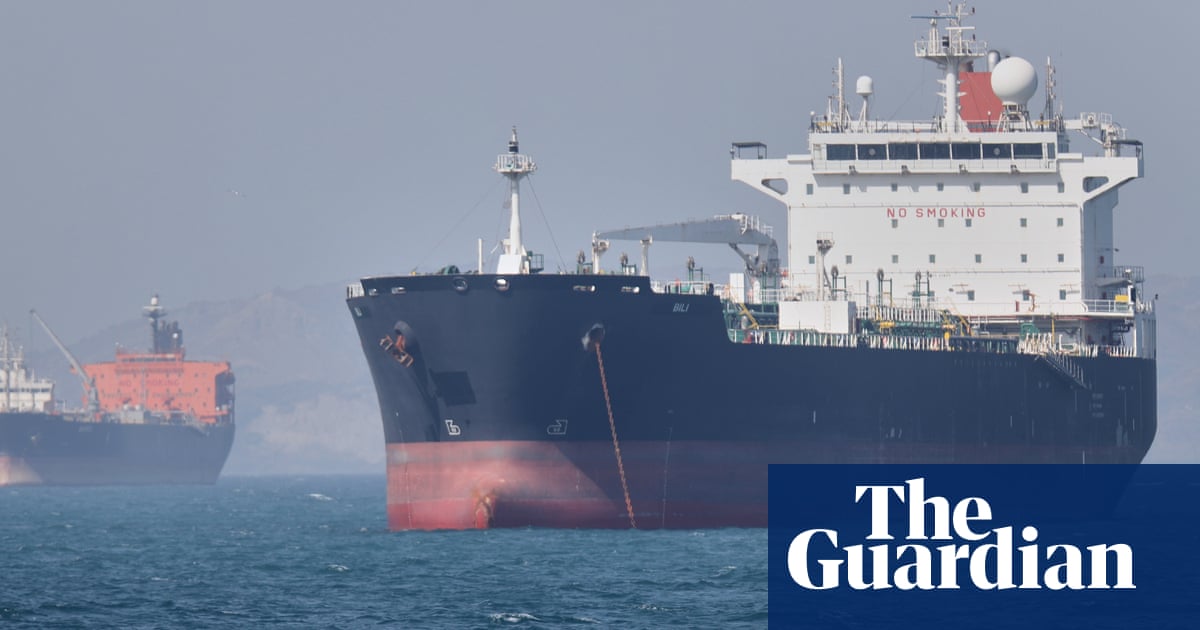
Japan's Inpex, the country's largest upstream energy company by assets, is restructuring its crude sales to prioritise domestic refiners after exports from its interests in the United Arab Emirates were halted, according to remarks by the company's chief executive reported on 22 April 2026. The pivot is direct and immediate — Japan first, everything else second — and it comes against a backdrop that makes the gesture considerably more alarming than it would appear on its own terms.
Separately, UAE's strategic oil reserves at Al Fujairah — the eastern emirate deliberately positioned outside the Strait of Hormuz corridor — have fallen to their lowest level in nine years, according to data cited by Farsna on the same date. That is not a supply glitch. That is a deliberate, government-directed drawdown, and it is happening precisely as one of Tokyo's primary regional suppliers is curtailing flows to protect its own home market.
The coincidence is too precise to dismiss as coincidental. What the two stories together reveal is a region where the implicit insurance policies are being redeemed simultaneously.
The Hormuz overhang, made concrete
The Strait of Hormuz is the world's most critical oil transit corridor, carrying roughly 20-25 percent of global oil trade on any given day. Fears of disruption there have been a perennial feature of Gulf geopolitics for decades — but in recent months those fears have migrated from analyst reports into procurement decisions. Inpex's CEO confirmed that the company is now routing its UAE-exported crude away from wider markets and toward Japanese refineries as a first priority. That is not cautious planning. That is a company responding to a constraint that has already become active.
The UAE, for its part, has been drawing from the Fujairah Strategic Oil Reserve — the facility built specifically to provide cover if Hormuz is choked. Nine years of accumulated buffer, deliberately deployed at this moment. The drawdown is not panic; the Emiratis are methodical actors. But the sequencing matters: a government that maintains strategic reserves precisely for moments of extreme pressure is accessing them now, which implies that the pressure is real and present, not anticipated.
What Inpex's pivot signals about Asian energy security
Japan imported approximately 2.8 million barrels per day of crude in recent years, making it among the world's four largest oil importers. Inpex is not a minor supplier — as Japan's largest energy resource development company, its upstream portfolio spans multiple jurisdictions, with UAE interests representing a significant tranche of production. The CEO's statement that Japanese refiners will get priority is, at one level, a corporate logistics decision. At another level, it is a declaration that Tokyo's energy security relationships in the Gulf are being stress-tested and, for now, holding — but only because one company is making an explicit choice to serve domestic customers first.
The structural question that follows is uncomfortable: if Inpex's UAE exports are halted and the company must now choose between Japan and other customers, what does that mean for buyers further down the queue — South Korea, Southeast Asia, India's state refiners? The answer, at least temporarily, is that they get less. The market for UAE crude is not infinitely elastic in the near term; rerouting takes infrastructure, contractual commitments, and time. That time is a vulnerability.
Competing explanations — and why the dominant frame holds
One reading of the Fujairah drawdown is benign: seasonal refinery maintenance in the UAE, or a planned inventory optimisation ahead of a known demand shift. But nine-year lows are not the signature of routine management. That figure is a floor, not a target. A more plausible reading — and the one supported by the concurrent Inpex export halt — is that the drawdown is supply-driven: output constrained either by production issues within UAE fields or by downstream logistical decisions related to Hormuz risk.
There is a third possibility, rooted in the longer arc of Gulf energy diplomacy. Abu Dhabi has been vocal about its desire to diversify downstream processing — building refinery capacity inside the UAE to capture more value before crude ever leaves the country. A strategic reserve drawdown could reflect that policy in action: releasing stored crude to feed domestic refineries while newer production is directed inward. This framing would actually suggest strategic competence rather than vulnerability. But even under this reading, the Inpex export halt points to the same underlying reality — crude that once moved freely through Gulf infrastructure is now subject to constraints that have corporate executives rearranging their sales priorities in real time.
The stakes ahead
If the Hormuz situation — whatever its precise cause — does not resolve, the logic is compounding. Fujairah reserves that have been depleted will need to be replenished before they can serve as a backstop again. Inpex's reorientation toward Japanese buyers removes volume from the spot market, tightening supply for other Asian importers. And the broader signal — that regional suppliers are prioritizing domestic and treaty-obliged customers before spot buyers — will accelerate the diversification strategies that China, India, and South Korea have been pursuing half-heartedly for years.
Tokyo will insist the situation is manageable. It is, for now. But the moment a company the size of Inpex publicly restructures its sales around a single customer base is the moment energy security analysts in Seoul and New Delhi will be picking up the phone. The Gulf's role as a reliable, fungible supplier — the foundational assumption behind decades of Asian energy diplomacy — is the thing being tested here. The nine-year low at Fujairah is a data point. Inpex's pivot is a decision. Decisions carry more weight.
Desk note: This publication led with the Inpex export halt framing rather than the Fujairah reserve data — the commercial rerouting felt more revealing of active constraint than the reserve drawdown alone, which could be read as policy rather than crisis. The Nikkei Asia wire framed the story as a Japanese corporate strategy piece; the Farsna data was used to contextualise the supply-side pressure underlying that strategy.
Wire provenance
This editorial synthesis draws on the following public wire/social posts:
- https://t.me/nikkeiasia/2356
- https://t.me/nikkeiasia/2356
- https://t.me/farsna/1847