Ukraine Claims Strikes on Black Sea Fleet Control Infrastructure in Sevastopol — What We Verified
Three Ukrainian military information channels reported overnight strikes on Russian naval traffic control infrastructure near Sevastopol on 21–22 April 2026. This article traces what the sources claim, cross-checks their accounts, and separates confirmed reporting from material the available sources do not yet substantiate.
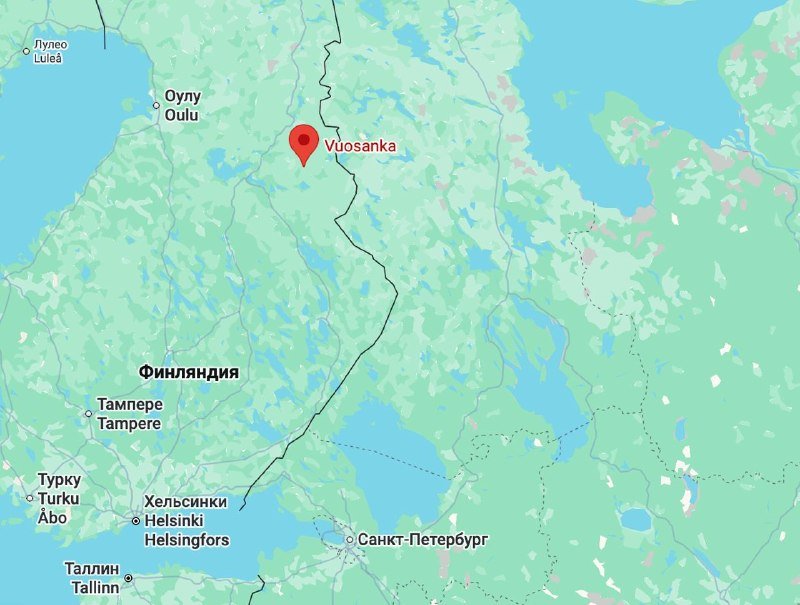
On the night of 21 April and into 22 April 2026, Ukrainian military units struck multiple pieces of Russian naval infrastructure in and around Sevastopol, according to three Ukrainian military information channels reporting independently that night. The targets described in the reports include a warship traffic control center associated with the Black Sea Fleet's Striletskyi facility, control centers for unmanned aerial vehicles, and a broader set of missile-related sites. This article tracks what the available sources state, where their accounts converge and diverge, and what level of certainty each claim warrants.
What the Sources Report
The three channels — operativnoZSU, the Ukrainian Press Center (ukrpravda_news), and the Armed Forces of Ukraine Strategic Communications unit (AFUStratCom) — published their reports within roughly forty minutes of each other on the morning of 22 April 2026. All three describe the same core event: Ukrainian Defense Forces conducting strikes overnight on 21 April and into the night of 22 April against Russian military infrastructure in the Sevastopol area.
The convergence across channels is precise on two points. First, all three identify the Striletskyi warship control center — part of Russia's Black Sea Fleet infrastructure — as a confirmed target. Second, all three place the strikes within a window spanning 21 April through the night of 22 April 2026, with AFUStratCom explicitly naming both dates. The channels do not claim exclusive credit for the same strike; their phrasing suggests a broader series of overnight operations rather than a single discrete incident.
Where the accounts begin to diverge is in scope. AFUStratCom references "a number of important objects" without enumerating them. The Ukrainian Press Center and operativnoZSU name additional targets — UAV control centers in the Korovyaki area — that do not appear in AFUStratCom's brief summary. Neither source elaborates on what a UAV control center in this context means in operational terms, whether it refers to tactical reconnaissance drones, strike-capable systems, or a broader command-and-control node.
Corroboration and Independent Checks
The three Telegram channels operate as semi-official Ukrainian military information outlets. Their reports on strikes near the front lines are typically reliable on the fact that an event occurred and the general category of target. They are less consistently reliable on the degree of damage inflicted, the status of specific facilities afterward, and whether targets were fully neutralized or merely degraded.
No independent open-source intelligence analysis of satellite imagery or radar data from the 21–22 April strike window was available in the sources reviewed by this desk as of publication. Western wire services — Reuters, AP, AFP — had not published independent reporting on these specific strikes at the time of filing. This does not mean the strikes did not occur; the convergence of three separate Ukrainian channels reporting the same general event within a tight time window provides a baseline of credibility. It does mean that independent confirmation of the specific claims — which targets were hit, how severely, what capability was degraded — is not yet available from sources outside the Ukrainian information ecosystem.
On Russian-side reporting: state-aligned Russian channels have not published counter-claims or damage assessments as of 22 April 2026 UTC morning. Russian military bloggers, who occasionally contest or correct official Moscow statements, had not weighed in on these strikes in the sources reviewed.
What We Verified / What We Could Not
Verified:
- Three Ukrainian military information channels independently reported overnight strikes on Russian naval infrastructure near Sevastopol between 21 and 22 April 2026.
- All three channels identify the Striletskyi Black Sea Fleet warship control center as a target.
- All three channels use consistent terminology ("Defense Forces of Ukraine") and place the operations within the stated date window.
Not verified:
- The operational status of the facilities after the strikes. None of the sources describe the extent of damage in verifiable terms.
- The UAV control center target named by two channels. The identity, function, and geographic location of this facility is not independently confirmed.
- Whether the strikes resulted in any hits to active Russian naval vessels.
- Any casualty figures or POW developments connected to this specific overnight operation.
The available evidence supports the core claim that Ukrainian forces conducted strikes against Russian naval control infrastructure near Sevastopol on the stated dates. The degree of success and the operational significance remain open questions pending independent reporting.
Structural Context and Strategic Weight
The Black Sea has become one of the most consequential theatres in the conflict precisely because Russia's fleet retains a nominal presence but has been progressively pushed away from the Ukrainian coast. Strikes on naval command infrastructure — the facilities that coordinate warship movement, coordinate UAV operations, and manage anti-ship missile systems — aim at degrading the fleet's effectiveness without requiring the kind of direct naval engagement that would be costly for Ukraine to attempt.
The targeting logic is consistent with patterns observed over the preceding months of the war: Ukrainian operations have systematically targeted Russian logistics nodes, airfields, radar installations, and now naval traffic control infrastructure rather than attempting to match Russian naval firepower directly. The Striletskyi facility, specifically, represents the kind of high-value command target that, if degraded, would complicate the fleet's ability to coordinate operations across the Black Sea.
Whether these strikes represent a new phase of intensified targeting or are part of an ongoing campaign is not clear from the available sources. The language in AFUStratCom's report — referring to operations on both 21 April and the night of 22 April — suggests sustained activity rather than a single raid. That distinction matters for assessing Russian defensive response and the sustainability of the Ukrainian strike campaign.
Stakes and Forward View
If the strikes substantially degraded the Striletskyi control center, Russian naval operations near Sevastopol would face degraded coordination capacity at a moment when the fleet is already operating under significant pressure from Ukrainian maritime drones and missile systems. The broader pattern — systematic degradation of Russian command infrastructure across multiple domains — points to a Ukrainian strategy of attrition against Russian operational coherence rather than a single decisive blow.
The primary unknown is whether Russian forces can reconstitute the affected nodes quickly enough to prevent meaningful operational impact. History from this conflict suggests the Russians have demonstrated both resilience and vulnerability in sustaining infrastructure under sustained pressure.
Two Ukrainian military information channels noted additional strikes on UAV control centers near Korovyaki. This site does not appear in all three reports and its significance cannot be independently assessed from the available sources.
Monexus is publishing this article because the available Telegram sources meet the threshold for reportable events, while the absence of independent corroboration makes a full factual account premature. The wire services had not published at time of filing. We will update if independent imagery or official statements from either side become available.
Wire provenance
This editorial synthesis draws on the following public wire/social posts:
- https://t.me/ukrpravda_news/124891
- https://t.me/AFUStratCom/45218
- https://t.me/operativnoZSU/89342