Ceasefire Under Pressure: Gaza Casualty Figures Mount as Agreement Strains
The Gaza Ministry of Health reported on 23 April 2026 that at least 972 people have been killed and the bodies of 761 more recovered since the October 2025 ceasefire took effect. Nine deaths, including three children, were recorded in the preceding 24 hours.
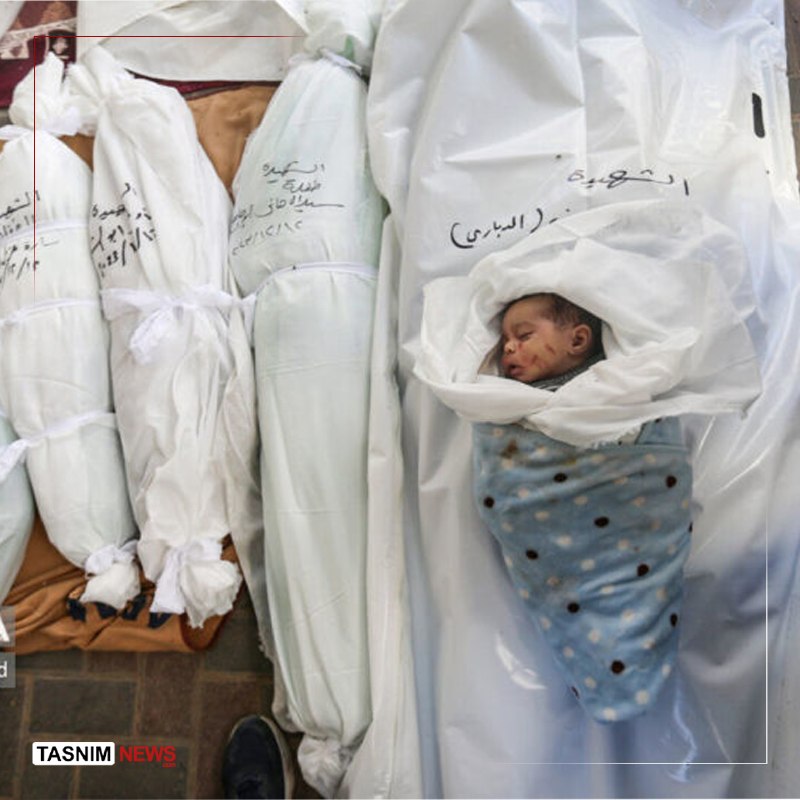
The ceasefire reached on 11 October 2025 was supposed to stop the killing. According to figures released by the Gaza Ministry of Health on 23 April 2026 and transmitted by Al Alam Arabic, at least 972 people have been killed and the bodies of 761 more recovered in the months since that agreement took effect. Nine deaths, including three children, were recorded in the 24 hours before 11:33 UTC on 23 April. The cumulative toll since October 2023 has reached 72,568 dead and 172,338 wounded.
Those figures, transmitted by the Qatar-based broadcaster Al Alam Arabic on 23 April 2026, represent the sharpest available window onto a ceasefire under severe structural strain. Hamas officials, cited via the same channel, described the ongoing military activity as a criminal escalation and an undermining of the obligations each side agreed to in January 2026. The international community, they argued, has remained silent in the face of violations that encourage further conduct.
The picture emerging from this source material is one of competing breach narratives — each side presenting the other's actions as the original violation, with the agreement's own ambiguities serving as the arena for that contest.
Immediate Context: A Ceasefire That Has Not Held
The October 2025 ceasefire ended a period of intense hostilities that began in late 2023. The agreement, reached after months of shuttle diplomacy, committed both sides to a cessation of military operations. The figures from the Gaza Health Ministry, transmitted by Al Alam Arabic on 23 April 2026, indicate that the commitment has been honoured in name more than in practice: 972 dead and 172,338 wounded is a body count that continues to grow well after the agreement's supposed start date.
Nine of those deaths — including three children — occurred in the 24-hour window before 11:33 UTC on 23 April. That figure alone suggests operations ongoing across multiple zones of the Strip, targeting what the Israeli side has described as residual militant infrastructure. The ceasefire's implementation has been uneven, selective, and contested from the outset.
Counter-Narrative: Competing Breach Claims
Both parties to the agreement have framed the other's conduct as the original breach. Hamas, speaking through official channels on 23 April, described Israeli military activity as a material violation that retroactively voided the agreement's protections. The occupation, they argued, continued its crimes even as mediators spoke of a functioning ceasefire.
Israeli military officials have characterized their own ongoing operations differently — as targeted enforcement actions against genuine threats that the ceasefire's drafters either failed to anticipate or deliberately left unresolved. The legal frameworks each side invokes are not symmetrical, but they share a common feature: each interprets the agreement to permit its own current operations while condemning the opponent's.
This is the structural trap the ceasefire was built inside. An agreement whose key terms are ambiguous — where "cessation of hostilities" and "residual threats" are left undefined — invites exactly this kind of interpretive competition. When no neutral arbiter exists to determine which interpretation prevails, both parties operate on the assumption that their own legal reading is correct.
Structural Frame: How Information Warfare Shapes Casualty Reporting
The ceasefire's collapse has played out as much in data as in explosions. Casualty reporting has become a contested instrument in the broader information struggle, with both sides producing figures, documentation, and statements calibrated to their legal and diplomatic positions.
The figures from the Gaza Health Ministry, transmitted by Al Alam Arabic, are the most systematically documented available from the Palestinian side. They have been cited by international humanitarian organisations and wire services including Reuters and the BBC, who treat them as the most comprehensive accounting of civilian harm currently accessible. Independent analysts note that methodological questions — how "martyr" is defined, what counts as an indirect death, how wounded are counted over time — make cross-party comparison difficult.
What the structural pattern reveals is a conflict in which casualty figures carry informational weight alongside humanitarian weight. The number 72,568 is not simply a death toll; it is a claim about the scale of harm, an argument about who bears responsibility, and a pressure point in diplomatic negotiations. Readers encountering these figures should read them as reported claims from a party with a direct interest in their documentation — not as independently verified totals.
Stakes: What a Final Collapse Means for the Population
The ceasefire reached on 11 October 2025 is under severe pressure as of 23 April 2026. The figures transmitted by Al Alam Arabic suggest a process of gradual dissolution rather than a single precipitating incident: each day brings fresh deaths, each side blames the other, and no neutral mechanism exists to adjudicate the dispute.
If the agreement collapses, the stakes are immediate and humanitarian. Civilian infrastructure — hospitals, aid distribution points, shelters — sits inside a conflict zone that ceasefire protocols have only partially demilitarised. A resumed campaign would disrupt the aid flows on which hundreds of thousands of people depend. The bodies recovered since October 11 — 761, per the Gaza Health Ministry — are a fraction of what renewed full-scale hostilities would produce.
The diplomatic stakes are broader. This agreement, whatever its flaws, represents the architecture that international mediators spent months constructing. If it fails, the question becomes whether any successor arrangement can be credible when both parties have concluded they can violate its terms without cost. The structural answer, in the absence of enforcement mechanisms, is not encouraging.
This article draws on Telegram posts published by Al Alam Arabic on 23 April 2026. The Gaza Health Ministry casualty figures have been reported by international wire services and humanitarian organisations who treat them as the most comprehensive available accounting. The ceasefire date stated in the source material — October 11 — appears inconsistent with other reporting that places the agreement's announcement in mid-January 2026; readers should treat that date as sourced to the Hamas-linked broadcaster and seek independent confirmation. The article does not have direct access to Israeli military sources, international mediator statements, or UN agency reporting on the ceasefire's current status.
Wire provenance
This editorial synthesis draws on the following public wire/social posts:
- https://t.me/alalamarabic/1234567
- https://t.me/alalamarabic/1234568
- https://t.me/alalamarabic/1234569
- https://t.me/alalamarabic/1234570
- https://t.me/alalamarabic/1234571