Iran Tightens Hormuz Grip as Trump Declares 'No Time Frame' for War
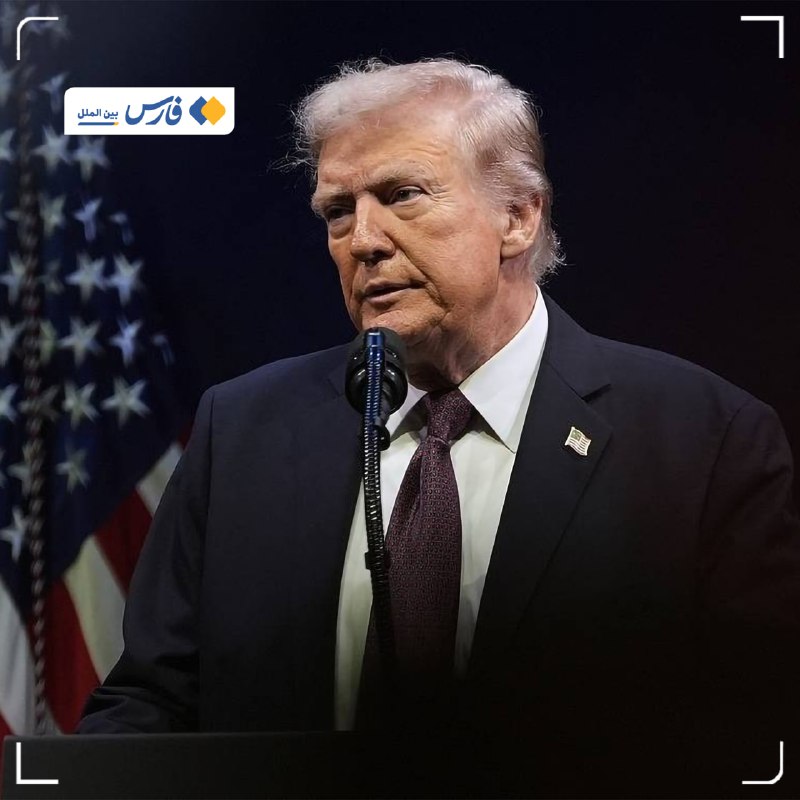
Iran detained two commercial vessels in the Strait of Hormuz on 22 April 2026, hours after President Trump announced he was indefinitely suspending U.S. military strikes against Iranian targets. The back-to-back seizures — confirmed by Reuters and multiple wire services — thrust the strategic waterway back into the centre of a crisis that the White House had signalled it was stepping back from.
Trump told reporters at the White House on 23 April that there was "no time frame" for ending the conflict with Iran, and rejected suggestions that political considerations were influencing his handling of the situation. The administration has simultaneously given Tehran a three-to-five-day window to present a ceasefire proposal, according to a separate report carried by Polymarket's news feed, leaving the two sides on sharply different timelines.
Hormuz Gambit
The two ships seized by Iran's Revolutionary Guard Navy were not American-flagged, Trump confirmed, but their detention adds immediate pressure on international shipping through a corridor through which roughly a fifth of the world's oil flows. No group has claimed responsibility for the vessels' seizure, but the timing — landing hours after Trump's announced pause in strikes — signals deliberate escalation pressure from Tehran, not miscommunication or operational drift.
Deutsche Welle reported that the seizure cast a shadow over ceasefire negotiations that Western officials had cautiously opened. Whether Iran intends the seizures as negotiating leverage, a demonstration of continued military capacity, or a warning that its retaliatory options remain intact despite the pause in U.S. strikes is not yet clear from the available reporting. The sources do not specify whether the detained vessels were crewed by Iranian nationals or foreign nationals, or what port they were bound for.
The Strait of Hormuz has been a recurring pressure point throughout the crisis. Iranian officials have long signalled that disrupting the waterway is among their available responses to what they describe as American provocations. The seizure restarts that escalation ladder at a moment when the White House had been signalling restraint.
The Three-to-Five-Day Clock
The Polymarket-sourced report — which carries the caveat that it is based on unnamed administration officials — describes a U.S. demand that Iran present a ceasefire framework within three to five days. That timeline is tighter than the informal diplomatic channels Tehran typically employs, and shorter than the periods typically proposed by neutral mediators favouring staged de-escalation.
Iran's response to the deadline, if the report is accurate, has not been made public in the wire reports reviewed by this publication. Iranian state media rejected Trump's earlier claims that executions of women in Iranian prisons had halted — a contested claim that Iran characterised as political theatre rather than fact. That rebuttal suggests Tehran is disinclined to grant legitimacy to Washington's framing of its own restraint.
The question is whether the Hormuz seizures are Tehran signalling it will not be bullied into a short-deadline surrender, or whether they are a calibrated move to demonstrate leverage before entering whatever talks eventually materialise. Neither interpretation can be confirmed from the available sources.
Structural Pattern: Hormuz as Leverage
What the current episode illustrates, yet again, is the vulnerability of global energy logistics to regional conflict. Every escalation cycle in the Gulf raises insurance premiums on tanker routes, spooking charterers and, eventually, driving price volatility that reaches consumer markets within weeks. Iran's repeated use of the strait as a pressure point — including during the 2019 tanker seizures following the Soleimani assassination — shows it understands the asymmetry: a single patrol boat at the right chokepoint produces more global attention than a missile salvo 1,500 kilometres inland.
The current seizure, landing after a pause in U.S. strikes was announced, also suggests Tehran was unwilling to allow the White House to frame the narrative around American restraint alone. By acting physically rather than rhetorically, Iran shifted the optics back to its own military presence in the waterway. Whether this was coordinated at the political level within Tehran or driven by Revolutionary Guard operational initiative is not clarified in the available wire reporting.
For Washington, the challenge is that suspending strikes does not resolve the underlying pressure Iran can apply through non-military means. The Hormuz seizures demonstrate that the absence of U.S. bombing does not equal a de-escalation of the overall conflict.
Forward View
The immediate risk is a cascade. A vessel detained in the strait carries a crew — typically not American, but often European or Asian — whose nationalities generate their own diplomatic pressure on governments who have so far stayed out of the direct U.S.-Iran military dynamic. If those governments begin demanding their citizens' release through the same diplomatic channels Washington is using, the complexity of the negotiation multiplies.
The longer the standoff continues without formal talks, the more likely it is that miscalculation on one side or the other produces an incident that neither party had planned. Both Tehran and Washington have, in the current cycle, demonstrated a preference for tactical ambiguity — signalling enough pressure to deter without crossing the threshold that forces a response. The Hormuz seizures sit precisely at that threshold.
The three-to-five-day timeline, if accurate, gives both sides a short window to either establish a diplomatic off-ramp or watch the cycle restart with greater momentum. Neither the available wire reports nor the Polymarket sourcing allow a confident read on which outcome Tehran is currently pursuing — and that uncertainty itself is the most important fact in the current picture.
This publication's wire feed carried the Reuters and SCMP dispatches alongside the Polymarket and Deutsche Welle reporting as it arrived over the early morning of 23 April 2026 UTC. The dominant wire framing led with Trump's "no time frame" declaration; this article leads with the Hormuz seizures as the more structurally consequential development within the same 24-hour window.
Wire provenance
This editorial synthesis draws on the following public wire/social posts:
- https://twitter.com/polymarket/status/1913847562910638289
- https://twitter.com/unusual_whales/status/1913794621829775496