Iranian Pilgrims Return to Saudi Arabia: What the Hajj Rapprochement Means for Gulf Diplomacy
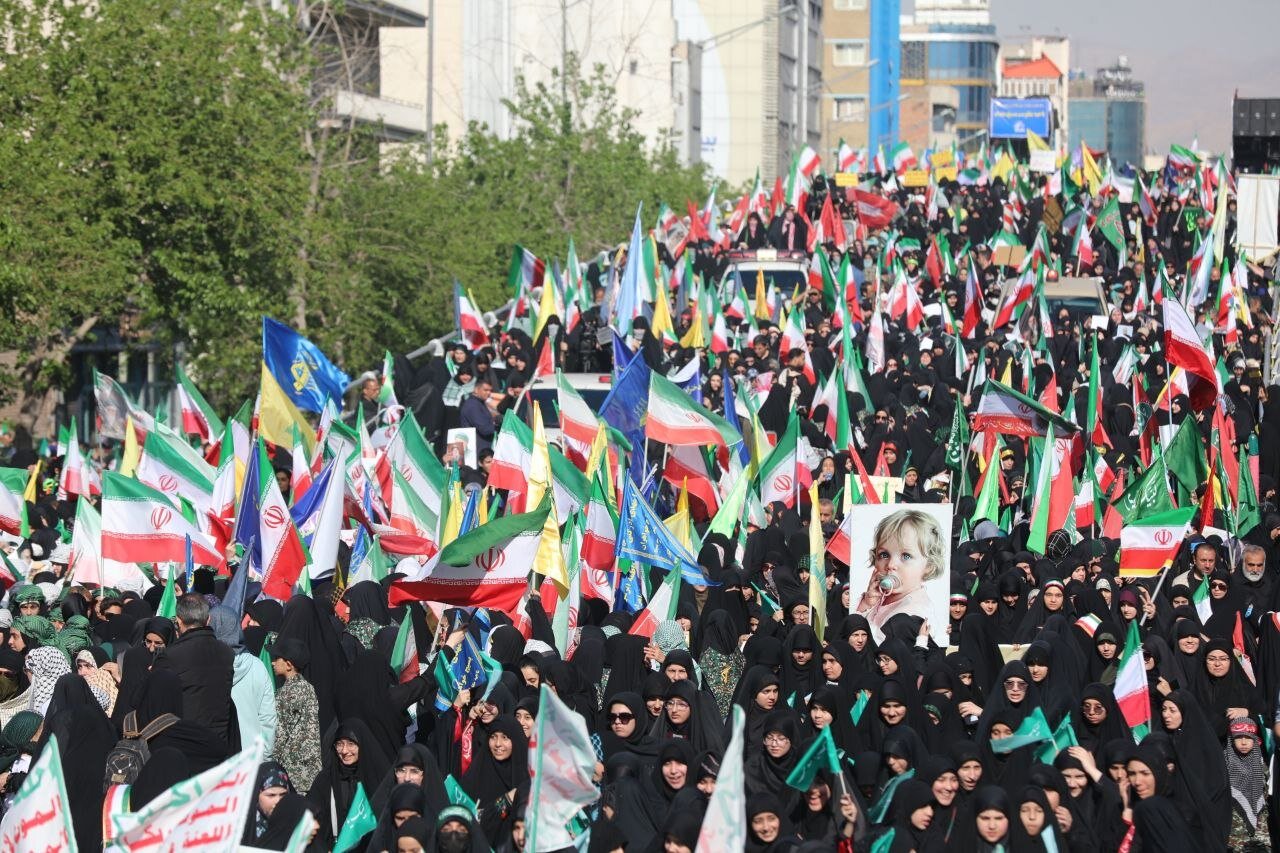
After years in which Iranian worshippers could not set foot in Mecca or Medina, the first group of pilgrims from Tehran will enter Saudi territory on May 7, 2026, according to statements from Iranian Hajj officials reported on April 23 by Mehr News and Tasnim News English. The formal permission to resume pilgrimages was issued on April 28, the officials said — a date that went largely unremarked in Western wire coverage but that marks one of the most tangible human outcomes of the diplomatic thaw that remade Gulf politics three years ago.
The resumption is not merely a religious matter. It is a geopolitical signal. When Saudi Arabia cut diplomatic relations with Iran in January 2016 — following the execution of Saudi dissident Nimr al-Nimr and the storming of the Saudi embassy in Tehran — the rupture calcified into a years-long cold war fought through proxies in Yemen, Syria, Lebanon, and Iraq. The Hajj suspension became a casualty of that wider conflict. Iranian pilgrims, who had numbered in the hundreds of thousands before the split, were barred from a pilgrimage that ranks as one of the Five Pillars of Islam for all Muslims capable of making the journey.
The reconciliation, brokered under Chinese auspices and announced in Beijing on March 10, 2023, was always easier to declare than to sustain. Diplomatic ties reopened. Flights resumed. But it is precisely the granular, people-level exchanges — student programmes, trade delegations, and now the Hajj — that test whether the normalisation has structural weight or merely exists as a headline accommodation between two governments that still harbour competing ambitions across the region.
From Beijing Broker to Regional Logistics
The China-brokered 2023 deal surprised Western analysts who had long operated on the assumption that Riyadh and Tehran required American mediation — or at least a Western-constructed framework — to sit across a table from one another. Beijing's role was initially read in Washington as a sign of Chinese ambition to position itself as a security provider in a region the United States had dominated for decades. Within the Gulf, however, the framing was different: Beijing had simply offered a channel that Western powers had been unwilling or unable to open.
The practical mechanics of the Hajj resumption reflect the broader pragmatism that has characterised the post-2023 relationship. The Iranian Deputy Director for Hajj and Pilgrimage confirmed on April 23 that formal permission had been granted on April 28, with preparations proceeding on schedule for the May 7 entry into Medina. Saudi authorities, for their part, have reportedly streamlined the visa and transit arrangements for Iranian groups — a logistical accommodation that would have been politically impossible in the pre-normalisation period.
The sources do not specify the number of pilgrims in the first group or the overall quota Iran has been allocated for the upcoming Hajj season. That remains a gap in the public record. But the fact of movement itself — a standing arrangement rather than a one-off humanitarian exception — suggests both sides consider the pilgrimage track a normalised part of the bilateral relationship rather than a concession to be renegotiated each season.
What the Pilgrimage Track Reveals About Gulf Rivalry
Saudi Arabia and Iran have historically competed for leadership across the Muslim world — a rivalry whose edges have been sharpened by the Sunni-Shia divide but whose root causes are territorial, economic, and strategic, not theological. The Hajj is the most visible theatre of that competition: whoever controls access to Mecca and Medina holds a certain gravitational pull over the ummah, and both Riyadh and Tehran have, at various points, weaponised or hedged the pilgrimage channel as part of broader power plays.
The fact that Iranian pilgrims are returning under a resumption agreement — rather than as a result of a crisis-driven concession — suggests both governments have decided that the costs of the suspension now outweigh the political utility of maintaining it. Riyadh has completed its own pilgrim management reforms in the years since 2016, including expanded capacity at the Grand Mosque and new transit infrastructure. The Kingdom has less reason to fear the political optics of Iranian presence and more reason to present itself as the steward of a united Muslim world, particularly as it positions for a post-oil economic transition in which religious tourism is a deliberate pillar.
Tehran, meanwhile, has recalculated too. The protests that followed the death of Mahsa Amini in 2022 and the subsequent crackdown created domestic pressures that have shifted the regime's calculations on multiple fronts. Enabling the Hajj serves a dual purpose: it satisfies a genuine religious demand from a population that has grown frustrated with the restrictions, and it signals to the regional audience that normalisation is delivering concrete dividends — not just diplomatic handshakes, but the restoration of rights and rituals that matter in daily life.
Washington's Uncomfortable Observation Post
The United States has watched the Iran-Saudi rapprochement with a mixture of resignation and strategic recalculation. The 2023 deal was announced the same week that a Chinese-brokered agreement facilitated a prisoner swap between the two countries — a simultaneous demonstration of diplomatic utility that underscored to regional observers that Washington was no longer the indispensable intermediary in Gulf disputes.
For the U.S., the return of Iranian pilgrims to Saudi Arabia is not a threat in itself, but it is a marker of a structural shift in how regional security architecture is being negotiated. Washington continues to provide security guarantees to Saudi Arabia and to maintain a substantial military footprint in the Gulf — but the diplomatic channel between Riyadh and Tehran is now managed through bilateral forums, not through American facilitation. The pilgrimage resumption is one small data point in that larger realignment.
The sources do not indicate whether U.S. officials have commented on the Hajj resumption. Western wire services, in their coverage of Iran-Saudi normalisation, have tended to frame the relationship through a security-studies lens — focusing on ballistic missiles, proxy networks, and nuclear thresholds — while underreporting the civilian and cultural dimensions of the reconciliation. The pilgrim track deserves attention precisely because it is the kind of exchange that outlasts diplomatic fashions and creates constituencies on both sides with a material interest in the relationship's continuation.
Stakes and Forward View
What happens next depends on whether the Hajj normalisation survives its first full season. If the May 7 entry proceeds without incident and the logistical arrangements hold, both governments have a template for expanding the programme — increasing pilgrim numbers, extending the duration of stay, opening new transit routes beyond the Medina-Jeddah corridor. That expansion would deepen the people-level ties that make a future rupture costlier to execute.
If, on the other hand, the first season produces friction — whether over logistics, crowd management, or political symbolism — the sceptics on both sides will have evidence to argue that the 2023 deal was premature and that normalisation is unstable. The Yemen war remains active; the Syrian question is unresolved; the Iraq relationship is still contested. Any of those flashpoints could contaminate the pilgrim track if a future crisis produces new restrictions.
For now, the more likely trajectory is consolidation. Both Saudi Arabia and Iran have strong incentives to make normalisation stick. Riyadh needs the image of regional stewardship. Tehran needs the domestic dividend of restored pilgrimage rights. And Beijing has a reputational stake in the deal's durability — not to the extent that Chinese prestige rides on Hajj logistics, but enough that the framework will receive quiet diplomatic attention from a power that has positioned itself as a credible alternative to American mediation in the region.
The May 7 entry will be watched in both capitals as a test of whether the reconciliation has structural depth or remains a diplomatic veneer over a fundamentally unchanged strategic rivalry. The pilgrims themselves will be, in a sense, the most honest answer to that question.
This publication covered the Hajj resumption through Iranian state wire sources as the primary inputs. Western wire services have published analysis of the Iran-Saudi normalisation more broadly but had not, at time of publication, flagged the April 28 permission or the May 7 entry date as discrete news events.
Wire provenance
This editorial synthesis draws on the following public wire/social posts:
- https://t.me/mehrnews
- https://t.me/tasnimnews_en