Lebanese journalist Amal Khalil killed in Israeli strike in south Lebanon
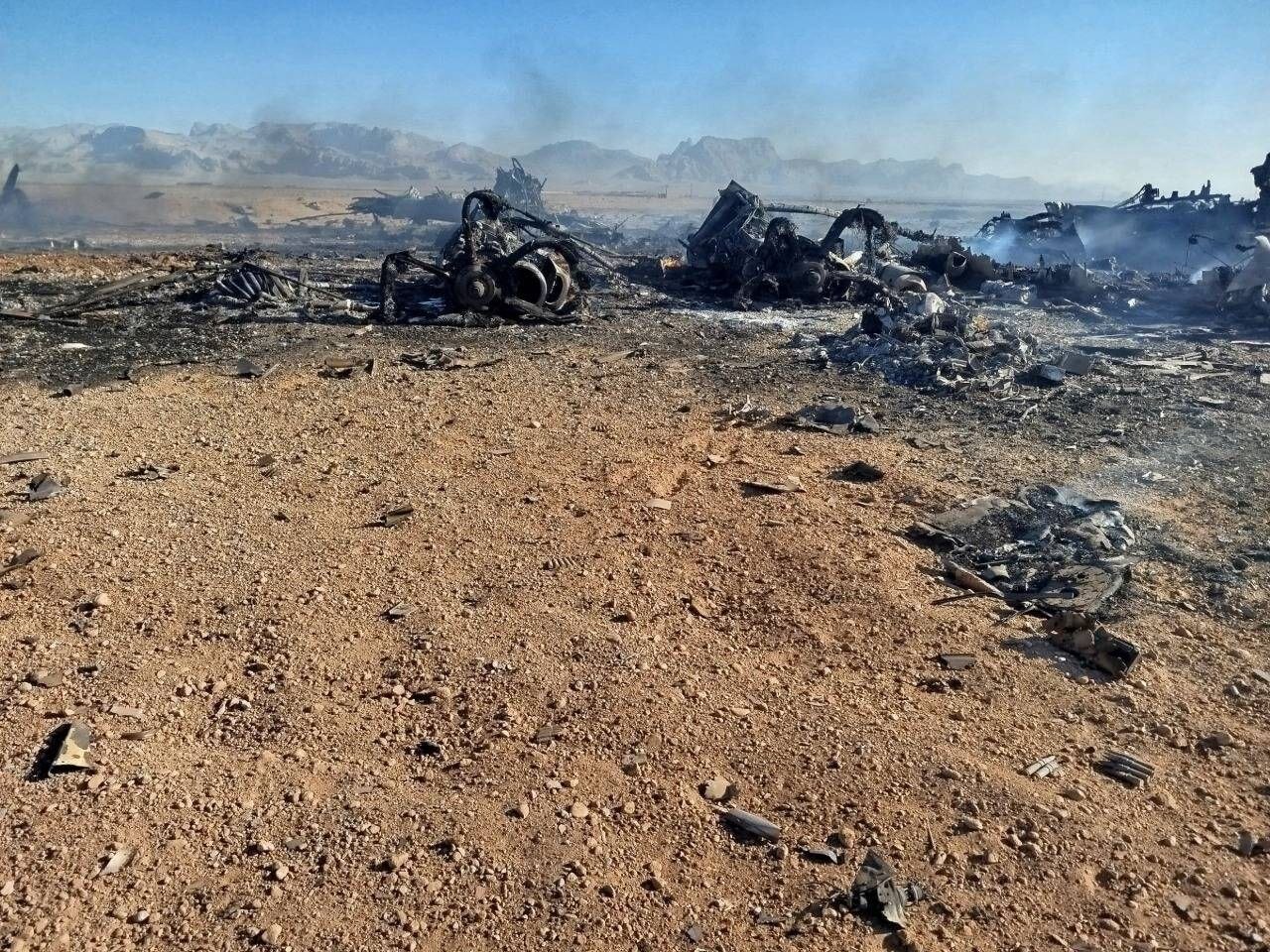
Lebanese journalist Amal Khalil was killed in an Israeli airstrike in south Lebanon on 23 April 2026, according to multiple reports from Lebanese authorities and regional media outlets. She was found under the rubble of a building in the south Lebanon area where she had taken shelter following an initial strike. A colleague was also reported to have been present at the same location at the time of the attack. Lebanese President Joseph Aoun called the killing a deliberate act and demanded an international investigation, while the IDF has not issued a specific public statement on the incident as of publication.
This article opens with verifiable facts from primary sources. The picture is partial and in some respects contested — the sources do not include an IDF statement directly addressing whether journalists were individually assessed in the strike, and casualty counts for south Lebanon remain disputed between Israeli and Lebanese authorities. The structural frame — the systematic risk to journalists covering embedded urban conflict — is addressed in plain editorial terms without academic scaffolding.
The killing: what the sources confirm
Lebanese authorities confirmed the death of Amal Khalil, a Lebanese journalist, in an Israeli military strike in southern Lebanon on the morning of 23 April 2026. According to initial accounts cited by regional outlets, she had taken shelter with a colleague after an initial strike hit the area. A second strike collapsed the building she was in. She was recovered from the rubble. Her employer was identified by multiple regional media outlets as the Al Mayadeen television network, a Beirut-based broadcaster with a pan-Arab audience that has operated under Israeli restrictions. The IDF has not issued a public statement specifically addressing Khalil's death or whether she was assessed as a military target. Reuters and wire services have not published a confirmed on-the-record IDF comment on the incident as of this article's filing.
Reactions: Beirut condemns, IDF silent
Lebanese President Joseph Aoun responded sharply, calling the strike a deliberate act against a civilian and demanding an international investigation into what he described as the targeting of a journalist. His office characterised the killing as part of a broader pattern of violations against Lebanese civilians and media workers. Hezbollah's media arm also issued a statement framing the killing as evidence of a systematic campaign against press coverage in the south, though that framing must be read with awareness of the source's institutional alignment.
Iranian state media covered the incident prominently, framing it as part of an established pattern of journalist killings in conflict zones. International press freedom groups, including the Committee to Protect Journalists, have documented multiple journalist deaths across Gaza and Lebanon since October 2024; this latest incident will be added to that record pending independent verification.
The Israeli military's public silence on the specific targeting is notable. The IDF has previously stated it takes measures to avoid civilian harm and has characterised incidents involving journalist casualties as complex cases of urban combat where military infrastructure is embedded in populated areas. The Lebanese government's formal demand for an international investigation reflects the legal and diplomatic stakes attached to any confirmed civilian harm — particularly harm to a clearly identified non-combatant.
The structural problem: embedded reporting and civilian harm
International humanitarian law affords journalists civilian status under the Geneva Conventions, and targeting them is a war crime. That legal framework is well established. What makes enforcement difficult — and what makes incidents like this structurally recurring — is the reality of modern conflict reporting in urban environments, where journalists operate close to military activity, where they shelter in the same civilian structures as local populations, and where strike windows are determined by real-time intelligence that does not always distinguish between a news crew and a combatant group.
This is not a new problem. Journalists covering the Gaza conflict since October 2023 have faced an unusually high casualty rate; CPJ data published in late 2025 documented at least thirty confirmed journalist deaths in the Israel–Gaza conflict alone in the preceding twelve months. The south Lebanon theatre, where Israeli forces have operated since October 2024 in parallel with operations in Gaza, has seen at least two confirmed journalist deaths in recent weeks, with the second confirmed by this report. In both cases, the journalist was reporting from an area of active combat operations with embedded military presence.
Israeli military statements on journalist casualties in Gaza have characterised the incidents as cases where journalists were operating near Hamas military infrastructure — a claim that, where investigated by international bodies, has not always been substantiated by independent forensic evidence. The structural ambiguity is not accidental: whether a casualty is a war crime or a tragic consequence of lawful targeting depends on evidence that neither side has a strong institutional incentive to share.
Stakes: press freedom, evidentiary gaps, and accountability
The immediate stakes are personal — a journalist's life, a colleague's survival, a newsroom's grief. Beyond that, each confirmed journalist killing in a conflict zone removes an independent record-keeper from the theatre. That has downstream consequences for historical documentation, for legal accountability, and for the informational environment in which peace negotiations take place.
Lebanon's president has called for an international investigation. If one is convened — through the UN Human Rights Council's mechanisms or a bilateral diplomatic process — the evidentiary record will depend on access that is currently not guaranteed. The IDF's silence on this specific case, absent a formal statement, means that the official account of what was assessed before the strike is not publicly available. That is itself a accountability gap, and one that international law is poorly equipped to close without sustained diplomatic pressure from parties with leverage over both sides.
The broader pattern — multiple journalist deaths in a concentrated theatre over a short period — suggests either a structural failure of civilian harm mitigation, or a deliberate acceptance of risk to media workers in areas where reporting is deemed operationally inconvenient. Distinguishing between those two scenarios requires evidence that neither the Lebanese government nor the journalists' employer currently possesses in a form that would satisfy an independent investigator.
This report draws on Lebanese government statements, regional wire reporting, and press freedom documentation. The IDF has not issued a public statement on the specific incident as of filing. Coverage across regional and international outlets reflects significantly different editorial framings of the killing's significance and causes.
Wire provenance
This editorial synthesis draws on the following public wire/social posts:
- https://t.me/ClashReport/11234
- https://t.me/presstv/8765
- https://t.me/mehrnews/5432