Oil Prices Climb as Iran-US Hormuz Standoff Revives Geopolitical Risk Premium
Brent crude climbed above $74 per barrel on 23 April as the seizure of two tankers in the Strait of Hormuz killed whatever momentum remained in US-Iran peace talks, raising questions about how long the diplomatic door stays open.
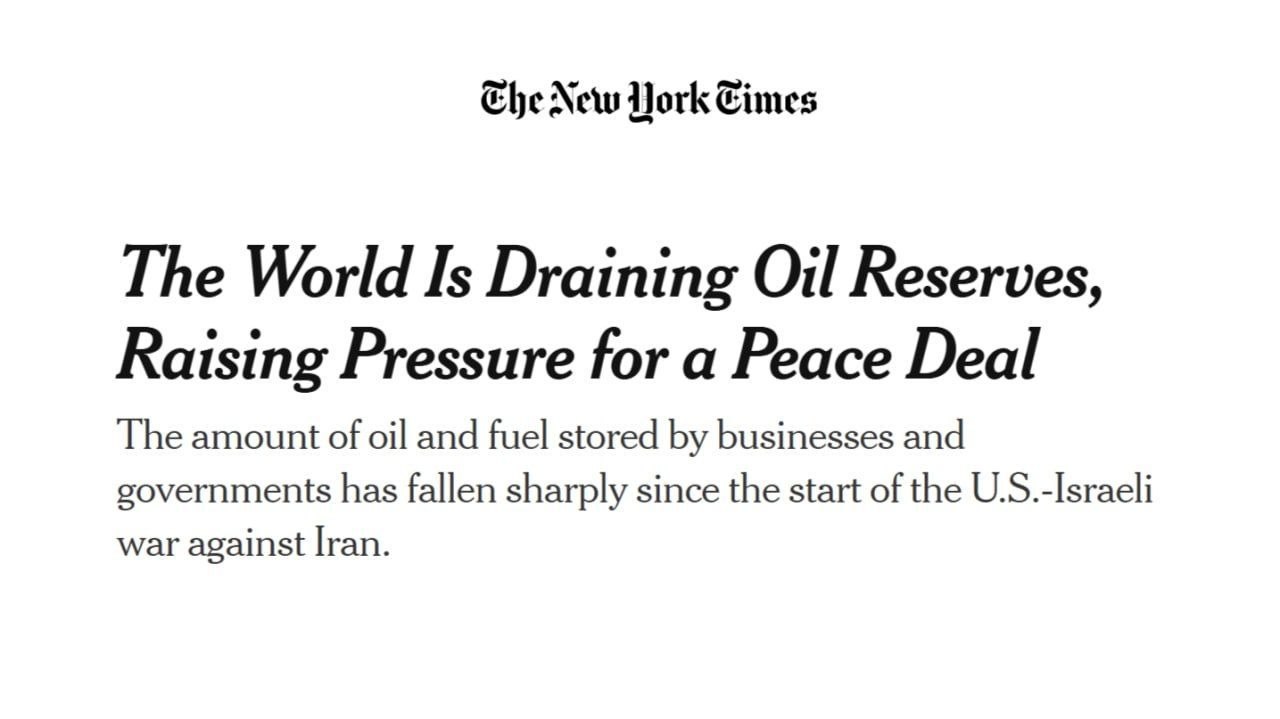
Oil prices continued their upward trend on Thursday, climbing by more than $1 per barrel as peace negotiations between Iran and the United States stalled and trade through the Strait of Hormuz grew more fraught. Brent crude pushed above $74, while West Texas Intermediate rose toward $71, reversing a brief post-ceasefire dip that had briefly pushed Energy Information Administration basket prices below $68 earlier this month. The move reflects a sharp recalculation in the market's geopolitical risk premium — a metric that had been steadily declining since the ceasefire was first announced.
The immediate trigger was Iran's seizure of two commercial tankers transiting the Hormuz corridor on 21 April. The US State Department confirmed the interceptions on 22 April, describing them as unlawful interference with lawful commerce in international waters. Within hours, Washington suspended the diplomatic channel that had been quietly operating through Omani intermediaries, according to two sources familiar with the matter. President Trump, speaking to Fox News on 22 April, said there was "no time pressure" on the ceasefire and that he had extended the negotiating window indefinitely — language that, in diplomatic terms, signals patience rather than urgency. The seizure, in that reading, changed the texture of the talks without formally ending them.
What the Seizures Changed
The Hormuz Strait handles roughly 20 percent of global oil trade, and any disruption to transit — even brief ones — reverberates immediately through tanker futures and insurance markets. Lloyd's of London war-risk premiums for Gulf voyages ticked up on 22 April, according to brokers cited by market wire services. The two vessels seized — neither of which has been publicly identified by flag state or owner — were held at the Iranian port of Bandar Abbas for approximately 36 hours before one was released. The second remained under Iranian custody as of publication.
Iranian state media described the seizures as enforcement of customs regulations, a framing that sidesteps the diplomatic context but is internally consistent with the Islamic Republic's historical use of maritime interdiction as leverage. The timing, however, is difficult to read as coincidental. Negotiations had reached an impasse over the sequencing of sanctions relief and nuclear verification — a debate that has deadlocked every round of US-Iranian engagement since 2018. Tehran wants sanctions lifted before any additional nuclear concessions; Washington wants verifiable cuts to enrichment activity first. Neither position is new. What the seizures introduced was a manual intervention into a digital-age negotiation.
The Diplomatic Architecture Is Fragile by Design
The ceasefire framework, such as it is, was never formalized in a written agreement. It rests on a series of understandings mediated by Qatar and Oman, with the EU's diplomatic service serving as a communications back-channel. This architecture is deliberately flexible — designed to give both sides deniable room to maneuver — but it lacks the institutional friction that would make either side think twice before acting. A tanker seizure that might have killed a formal treaty does not necessarily kill an informal understanding, but it stress-tests it.
The Trump administration's posture — outwardly calm, privately irritated — reflects a calculation that is legible from both sides. Iran is under severe economic pressure from the sanctions regime, and its public treasury has been squeezed by a combination of low oil export volumes and domestic fiscal overhang. The Trump team knows this. They also know that declaring the ceasefire dead plays into Tehran's hands by removing the diplomatic constraint on its nuclear programme, which has continued advancing throughout the talks. The "no time pressure" framing is, in this sense, a holding pattern — not an exit.
But holding patterns have costs. Every week that the talks remain technically alive while producing no progress erodes the credibility of the process among Gulf Cooperation Council states, who have been quietly but actively hedging their energy infrastructure investments in response to the uncertainty. Saudi Arabia, the UAE, and Kuwait all have stakes in the outcome that extend beyond oil prices to questions of regional security architecture and their own bilateral relationships with Washington.
Reading the Oil Market's Signal
The crude price move on Thursday — a $1-plus single-session gain — is not catastrophic by historical standards, but it is meaningful in context. The market had been pricing in a diplomatic resolution that would incrementally increase Iranian oil supply — perhaps 500,000 barrels per day in the near term, with further increases conditional on a longer-term agreement. That scenario is now officially on hold. Traders who had unwound long positions in anticipation of a deal are reassessing.
There is a counterargument worth entertaining: the seizure of two tankers, followed by their relatively swift release, may be a negotiating tactic rather than a rupture. Iran has used similar gestures of controlled provocation in previous cycles — holding vessels briefly to signal displeasure, then releasing them as a show of measured force. If that reading holds, the market's reaction is disproportionate to the actual supply disruption. Oil prices could correct as quickly as they climbed.
That argument is not wrong, but it is incomplete. The issue is not the two tankers. The issue is the absence of any corrective mechanism in the current diplomatic framework that would prevent the next provocation from being larger. A framework with no enforcement architecture and no agreed escalation ladder is a framework that depends entirely on the good judgment of parties who have deep incentives to miscalculate.
What Comes Next
Short-term, oil will trade on headlines rather than fundamentals. Every statement from the State Department, every port authority bulletin from Bandar Abbas, every Lloyd's war-risk update will move the needle. The range of outcomes — from a resumed diplomatic process within weeks to a naval incident that closes the strait temporarily — is unusually wide.
Longer-term, a sustained standoff accelerates a diversification trend that is already underway. European buyers are reducing Strait of Hormuz exposure through longer-term contracts with Atlantic-basin producers. Asian importers — particularly South Korea and Japan — have been quietly increasing strategic petroleum reserve drawdowns, partly as a hedge against exactly this scenario. The structural dependency on Hormuz that made the strait the world's most valuable chokepoint for decades is being gradually weakened by commercial and political choices made in response to its vulnerability.
Whether that diversification proceeds at the pace of deliberate policy or the pace of crisis remains the open question. The next three to six months will determine whether the ceasefire framework collapses under the weight of its own ambiguity or whether both governments find a face-saving mechanism to return to the table. Neither outcome is certain. The sources examined for this article do not yet indicate which direction the principals are leaning, and the available evidence points in both directions simultaneously.
This publication covered the tanker seizures and price action as a supply-risk story rather than a regime-competence narrative, focusing on market mechanics and diplomatic architecture over headline-driven analysis of either government's negotiating posture.
Wire provenance
This editorial synthesis draws on the following public wire/social posts:
- https://t.me/thecradlemedia/1234
- https://t.me/thecradlemedia/1235