Pakistan's Diplomatic Gambit Amid Hormuz Standoff
Islamabad has floated a proposal that would see Iran reopen the Strait of Hormuz in exchange for partial relief from the US naval presence — a deal that remains speculative but exposes the fault lines running through every party involved.
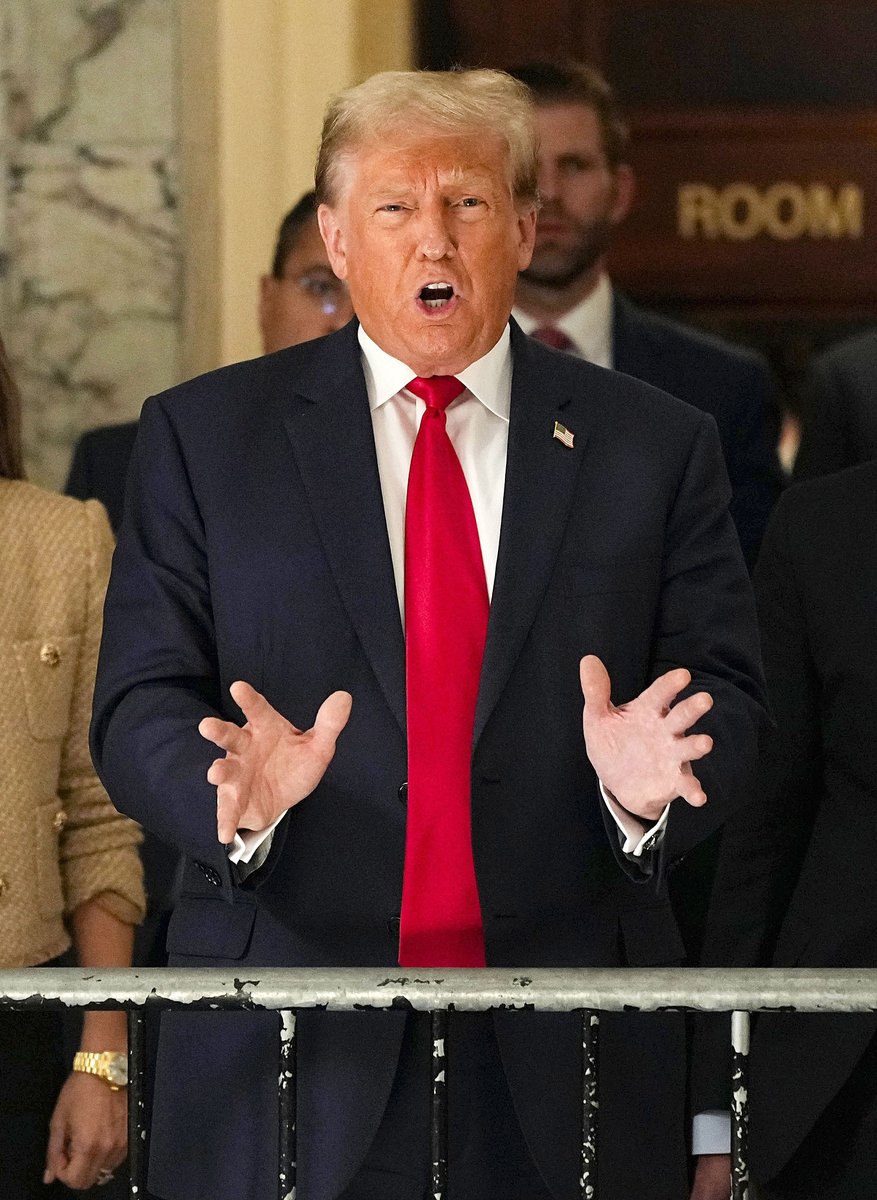
As reported by Al-Arabiya on 23 April 2026, Pakistan has proposed a framework under which Iran would reopen the Strait of Hormuz in exchange for the United States partially lifting its naval blockade. The proposal, which has not been confirmed by officials in Washington, Tehran, or Islamabad, surfaces at a moment when the waterway — through which roughly a fifth of the world's oil passes — has become the focal point of escalating tensions between Iran and the Trump administration.
The gambit, if genuine, would require simultaneous movement from all three parties. Iran would need to cease the detention of vessels transiting the strait. Washington would need to offer verifiable sanctions relief — a politically sensitive prospect in an administration that has leaned heavily on maximum pressure. Pakistan, meanwhile, positions itself as a diplomatic broker, a role Islamabad has sought before but rarely been handed.
The immediate context is a standoff that has no clean resolution in sight. According to posts from the account unusual_whales on 22 April 2026, President Trump stated that the ships Iran has detained in the Strait of Hormuz "are not American ships." The post also noted that Iran has rejected Trump's claims about halting women's executions — a separate track of the Trump administration's stated human rights diplomacy that Tehran has explicitly denied. These are not minor frictions. They are two separate, unresolved crises running in parallel, and they constrain any Hormuz-for-relief swap from the outset.
That constraint has not gone unnoticed in the market for probabilistic forecasting. Polymarket, the decentralized prediction market, opened a market on 23 April 2026 asking whether Strait of Hormuz traffic returns to normal by 15 May 2026. The question's very existence tells us something: traders see a material probability of continued disruption, but also a material probability of resolution within three weeks. A market that believes resolution is certain does not need to exist. One that believes collapse is inevitable does not price a May timeline. The spread of opinion on Polymarket — whatever the current odds — reflects the genuine uncertainty that official channels have not resolved.
Trump's claim that Iran has halted women executions sits uneasily alongside reporting from Iranian state-linked outlets, which have not carried such a concession. The President's assertion, made without documented evidence in the sources surfaced for this article, was dismissed by Iranian representatives on 22 April 2026 according to the unusual_whales post. The gap between Washington's framing and Tehran's denial matters because human rights conditionality has been threaded into the broader US posture toward Iran — and any Hormuz deal that sidesteps that framing would need to explain what happened to the stated prerequisites.
Pakistan's proposal sits at the intersection of US strategy and Iranian incentives in a way that deserves serious analysis, not dismissal. Iran's economy has been strangled by sanctions for years. A partial lifting of the naval blockade — the specifics of which are not known from the sources — would be a significant concession from Washington's side, one that would need domestic US political clearance. The Trump administration has shown willingness to negotiate directly with Tehran, but has equally shown resistance to the kind of broad sanctions relief that previous administrations considered. Whether partial naval relief constitutes enough for Iran to move on Hormuz is a question the sources do not answer. What is clear is that Pakistan believes the two sides are close enough that a back-channel proposal is worth making public.
The structural frame here is not simply about shipping lanes. The Strait of Hormuz represents the most concentrated chokepoint in global energy markets. When it tightens, oil prices spike. When it opens, the market breathes. That leverage is not abstract for Tehran — it is the closest thing Iran has to a structural trump card in any negotiation with the United States. The question is whether Tehran is willing to spend that card now, in exchange for a partial relief package that may prove temporary, or whether it calculates that maintaining pressure yields better terms the longer it holds.
On the US side, the calculation is equally complex. A president who has marketed himself as a dealmaker faces a counterpart in Tehran that has survived maximum pressure and is not obviously incentivized to move first. Lifting the naval blockade partially satisfies the instinct to de-escalate without making the larger concession that a full normalization would require. Whether that is enough to move Iran remains the open question. Whether Pakistan's proposal reflects a genuine channel or a trial balloon is likewise unknown from the sources.
What the next three weeks look like depends on which of two dynamics asserts itself. The first is normalization: Iran opens the strait, Washington offers a credible partial relief package, and the Polymarket market closes in the affirmative. The second is continued friction: ships remain held, the naval posture holds, and the market's May timeline proves too optimistic. The gap between those two scenarios is not wide — it may be one verified concession, one public statement, one confirmation from a credible third party. But that gap is exactly where diplomacy either succeeds or collapses.
For now, the sources suggest three things with confidence: the strait is disrupted, Pakistan has made a proposal, and the parties are not in agreement on the facts of what has already been offered. That is not nothing, but it is a long way from a deal.
The sources do not specify what terms Pakistan has formally communicated, whether Washington has responded through any channel, or whether Tehran has engaged with the proposal beyond what Al-Arabiya has reported. Monexus will continue to monitor these developments as they develop.
Wire provenance
This editorial synthesis draws on the following public wire/social posts:
- https://t.me/wfwitness/2047158031754944512
- https://x.com/unusual_whales/status/1914923456786690048