Strait of Hormuz Attacks Leave India's Exporters Caught Between War Premiums and Buyer Resistance
Iran's strikes on commercial vessels in the Strait of Hormuz have compounded the shipping and input cost pressures already squeezing Indian manufacturers, whose overseas buyers are refusing to accept price increases tied to geopolitical risk.
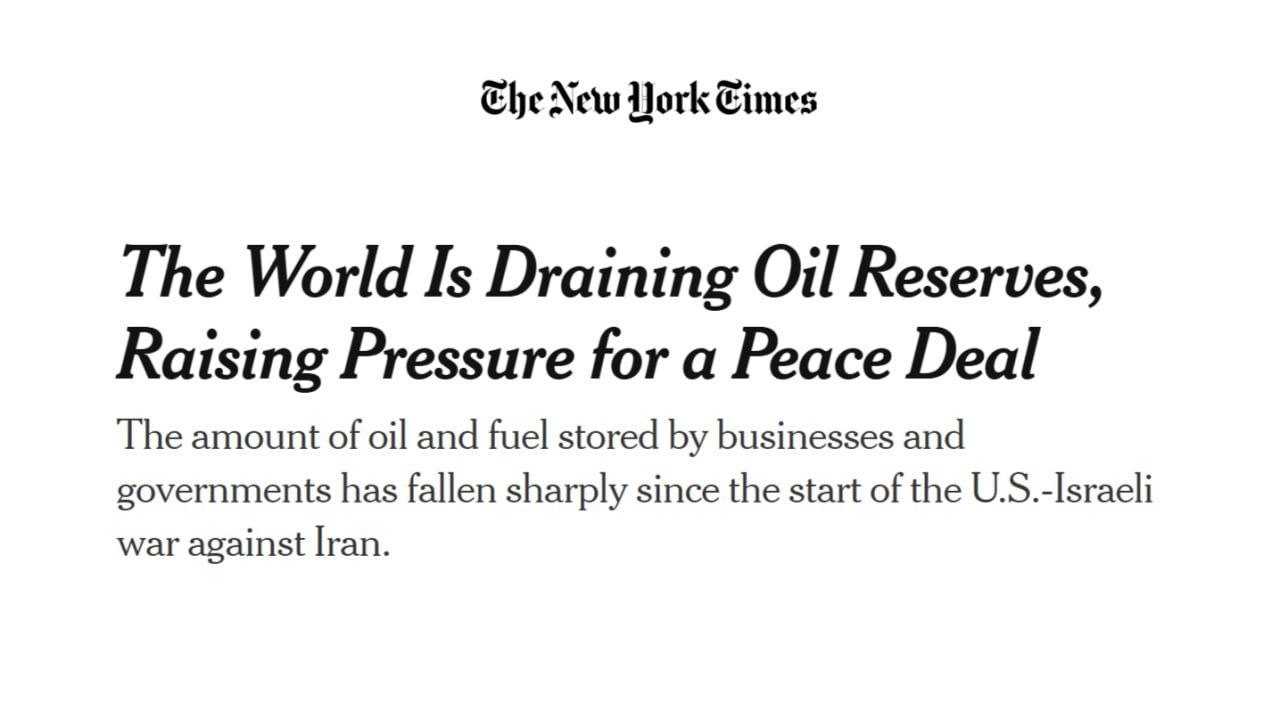
Iranian forces attacked three commercial vessels in the Strait of Hormuz on 22 April 2026, the Hindustan Times reported, a day after a ceasefire agreement covering broader hostilities was extended by seventy-two hours. The timing compounded anxieties already running high among India's industrial exporters, whose supply chains have been absorbing sharp cost increases since the Iran conflict escalated earlier this year.
The Strike and Its Immediate Context
The attacks targeted ships described by regional maritime safety monitors as transiting the narrow waterway through which roughly a fifth of the world's oil flows. The strikes came as diplomatic efforts to broker a broader cessation of hostilities had produced, at best, a fragile and repeatedly extended pause in ground-level fighting. Iranian state media framed the maritime operations as proportionate responses to what it characterised as ongoing economic warfare by Western-aligned states. Independent maritime analysts quoted in regional wire reports described the attacks as raising insurance premiums for all commercial traffic in the corridor, regardless of the cargo's nationality of origin or final destination.
For Indian manufacturers shipping finished goods westward through the Persian Gulf and the Bab-el-Mandeb chokepoints, the strikes represent a second-order shock layered on top of a months-long cost accumulation from rerouted cargo, heightened war-risk insurance, and prolonged freight rate inflation.
Indian Exporters Absorbing the Shock
Indian industrial goods exporters are, by and large, having to absorb the sharp rise in shipping and input costs triggered by the Iran war rather than pass them up the supply chain, Nikkei Asia reported on 23 April 2026. The mechanism is straightforward: their overseas buyers—themselves operating under compressed margins in competitive finished-goods markets—are resisting price adjustments tied to geopolitical risk. A manufacturer in Gujarat or Tamil Nadu selling textiles, engineering components, or processed chemicals to European or Gulf retail buyers cannot simply invoke Iranian missiles as grounds for a surcharge. The buyer will, in most cases, find an alternative supplier willing to absorb the premium or accept longer lead times.
Exporters in the chemicals, pharmaceuticals, and light manufacturing sectors—segments that Nikkei Asia identified as most exposed given their thin margins and buyer concentration—described a structurally asymmetric bargaining position. Freight rates on routes requiring Gulf transshipment have climbed substantially since January 2026. Insurance costs have risen faster. And the practical alternative of rerouting through the Cape of Good Hope, while viable for bulk commodities, adds weeks of transit time and prohibitive cost for time-sensitive industrial shipments.
Structural Exposure and India's Corridor Position
The underlying vulnerability is not new. India's trade architecture has long depended on western maritime chokepoints that sit in or adjacent to zones of Middle Eastern instability. The Persian Gulf, the Strait of Hormuz, and the Red Sea corridor have, at various points over the past decade, imposed episodic cost shocks on South Asian exporters. What distinguishes the current episode is its duration and the layering effect—multiple chokepoints under simultaneous pressure, with no clear de-escalation timeline.
India's own infrastructure push toward alternative routes—the International North-South Transport Corridor running through Iran to Central Asia, the emergingINSTC connections to Russia's northern ports—remains insufficient in capacity to absorb meaningful volumes of the country's western-bound export freight. The INSTC, while operationally active, handles a fraction of what moves through Hormuz each month. Diversification of routing is a strategic objective; it has not yet become an operational reality for most of India's manufacturing exporters.
This means Indian industry remains structurally exposed to cost impulses generated by conflicts in a region where it has limited diplomatic leverage. Tehran's calculus, whatever its strategic logic, is made without reference to whether the ships it targets carry Indian automotive components or Saudi petrochemical feedstock. The collateral cost falls on manufacturers thousands of miles from the firing line.
Who Bears the Weight
The winners and losers in the near term are relatively clear. Freight intermediaries and war-risk insurers are collecting elevated premiums as long as the threat environment persists. Buyers of Indian goods benefit indirectly—supply remains available at prices that do not reflect the true cost of getting those goods to market, because someone else is wearing the difference. Indian exporters, particularly mid-sized firms without deep liquidity buffers, are the losers. Margins that were adequate in peacetime conditions are being progressively eroded.
Over a longer horizon, sustained margin compression in India's manufacturing export sector has implications for the country's industrial upgrade ambitions. The Indian government's Production Linked Incentive schemes, designed to attract higher-value manufacturing to domestic facilities, presuppose globally competitive cost structures. War premiums that cannot be recovered from buyers quietly undermine that assumption.
What remains genuinely uncertain is whether the ceasefire extension process produces a durable cessation or collapses again, returning the Strait to the elevated threat environment that prevailed before the latest diplomatic push. Indian exporters, for their part, are managing on a week-to-week basis—adjusting freight contracts, renegotiating forward orders where possible, and hoping that the diplomatic rhythm holds. The alternative is a further contraction in margins that mid-tier manufacturers may not survive intact.
Desk note: This publication's coverage has foregrounded the buyer-resistance dynamic—which gives India's exporters little leverage to pass through geopolitical costs—as the structural crux of the story, rather than the maritime security angle alone. The Hindustan Times wire led with the attack itself; this piece leads with its transmission mechanism into South Asian industrial margins.
Wire provenance
This editorial synthesis draws on the following public wire/social posts:
- https://t.me/hindustantimes/38421
- https://t.me/nikkeiasia/19842
- https://t.me/nikkeiasia/19843
- https://t.me/nikkeiasia/19841