2026 NFL Draft Overreactions: Separating Signal from Noise on Shedeur Sanders, Dillon Gabriel and the Rams' Ty Simpson Pick
The 2026 NFL Draft revealed familiar patterns: quarterbacks drafted high on potential face immediate scrutiny, while later-round picks spark debate over value versus need. But how much of the post-draft analysis reflects reality?
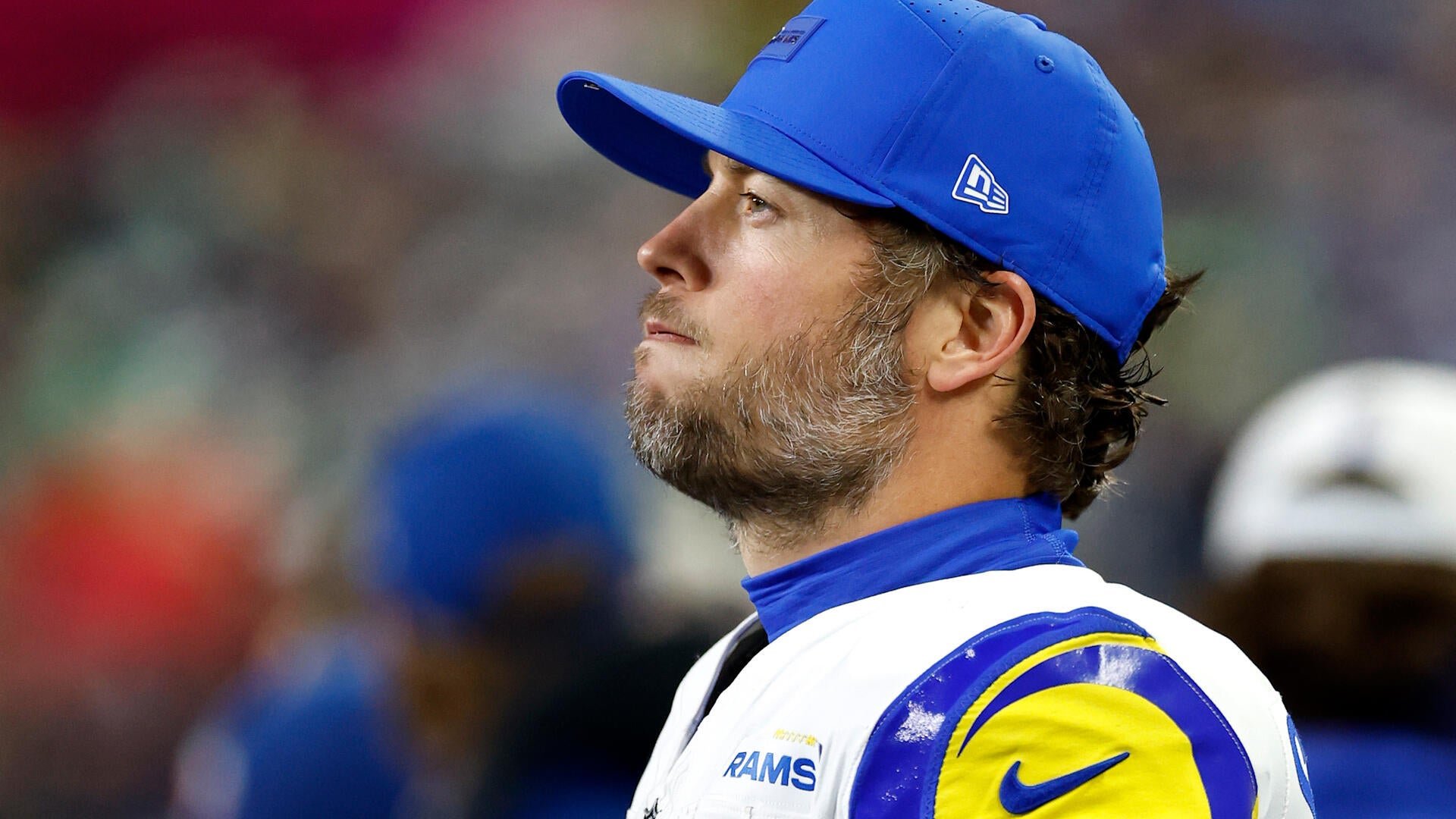
The 2026 NFL Draft concluded with familiar patterns repeating themselves: quarterbacks drafted on potential face immediate scrutiny, later-round picks spark debate about value versus need, and analysts clash over whether teams got right what they thought they were getting right. The noise around draft weekend often drowns out meaningful analysis. But beneath the overreactions lies a more complicated picture of how NFL franchises evaluate and miscalculate at the sport's most consequential position.
The noise around draft weekend often drowns out meaningful analysis. Teams spent months evaluating quarterback prospects across multiple dimensions—arm talent, decision-making under pressure, processing speed, leadership qualities—before committing millions in guaranteed contracts. Those investments reflect genuine evaluation processes, not arbitrary selections. Yet the gap between a prospect's ceiling and his likely outcome remains vast, and the draft offers no clean resolution to that uncertainty.
Colorado's Shedeur Sanders entered the 2026 draft cycle as the first quarterback from his program to seriously challenge first-round consideration. A strong 2025 season reportedly produced 4,000-plus passing yards and 35 touchdowns, establishing him as a legitimate professional prospect. Yet draft weekend brought uncertainty about his landing spot, with late-order changes generating debate about whether teams properly valued his profile. The scrutiny reflects something real: quarterbacks drafted in high positions face pressure to produce immediately, and the difference between a successful evaluation and a costly mistake shapes franchises for years.
The Colorado quarterback's trajectory illustrates how draft-day narratives diverge from underlying evaluation work. Teams conducting scouting assessments look at far more than box-score production. They assess how prospects process information pre-snap and post-snap, how they handle adversity when protection breaks down, and whether their character profiles suggest resilience under NFL-level pressure. That work rarely translates directly into public commentary, which tends to focus on relative rankings and positional scarcity rather than the granular factors that separate successful transitions from disappointing ones.
Dillon Gabriel's situation highlights how quarterback evaluation extends beyond pure talent assessment. Multiple scenarios reportedly influenced how teams weighted his profile, with considerations ranging from scheme fit to organizational stability affecting draft positioning. The financial structure of rookie contracts—first-round picks command fully guaranteed deals while later selections carry significantly less guaranteed money—creates incentives that distort simple talent-based analysis. Teams aren't merely selecting the best quarterback; they're managing risk portfolios that include salary cap implications, organizational timelines, and coaching-staff tenure.
The Rams' selection of Ty Simpson in the fifth round generated debate about whether the pick represented value or misallocation of draft capital. Those questioning the selection point to Simpson's relatively raw profile and the availability of more-proven options at the position. Defenders note that fifth-round picks carry minimal guaranteed money, making them low-cost lottery tickets on traits that might develop over time. The disagreement reflects genuine uncertainty about how to value quarterback prospects at different draft stages—an uncertainty that the NFL's own history demonstrates is well-founded.
Evaluating quarterbacks requires looking at multiple variables that don't reduce cleanly to a single metric or ranking. Arm talent, mobility, processing speed, leadership qualities, injury history, scheme fit, and coaching stability all influence transition outcomes. A prospect who excels in several categories might struggle if his landing spot lacks supporting talent or faces immediate roster upheaval. The complexity means that confident pronouncements about any single pick—positive or negative—should be treated with skepticism.
The financial dimensions of quarterback selection deserve more attention than they typically receive. First-round picks command fully guaranteed contracts that create pressure to perform immediately. That pressure affects both players and organizations: players face shortened windows to prove themselves before their contracts become unsustainable, while organizations absorb massive dead-cap hits if early picks don't develop as hoped. Later-round selections offer more flexibility, allowing teams to develop prospects gradually while maintaining roster depth at other positions.
NFL teams have access to extensive data on quarterback performance across college and the pre-draft evaluation process. Yet the translation from college production to professional success remains stubbornly unpredictable. Patrick Mahomes sat behind Alex Smith before becoming an MVP. Josh Allen required a supporting cast that took years to assemble. Dak Prescott emerged from a fourth-round selection that few predicted. Conversely, high-profile first-round picks have failed to meet expectations at rates that should humble anyone making confident claims about quarterback outcomes.
The Colorado quarterback landscape faces real uncertainty heading into the 2026 season. Sanders' draft outcome will shape how opposing programs view the program's development pipeline and recruiting prospects. The stakes extend beyond individual player careers to program trajectory, fan expectations, and the broader ecosystem of how quarterback talent flows through college football into the professional ranks. Those downstream effects receive little attention during draft weekend's immediate reaction cycle but matter significantly for the sport's competitive balance.
Analyzing draft overreactions requires acknowledging what remains genuinely uncertain. Team evaluations involve proprietary information that never becomes public—medical records, private interviews, character assessments based on extended contact. The public commentary that generates overreactions operates with incomplete information by definition. That doesn't mean all analysis is equally valid, but it does suggest that humility about predictions serves better than confidence about outcomes that remain unknowable at the moment of selection.