Akosombo Dam and the Volta River: Water Levels Recover but Fragility Persists
Ghana's Akosombo Dam, the country's primary source of electricity, saw water levels drop to critical lows in 2024-2025, triggering power rationing. Recovery has begun but the dam's vulnerability to climate change raises fundamental questions about Ghana's energy future.
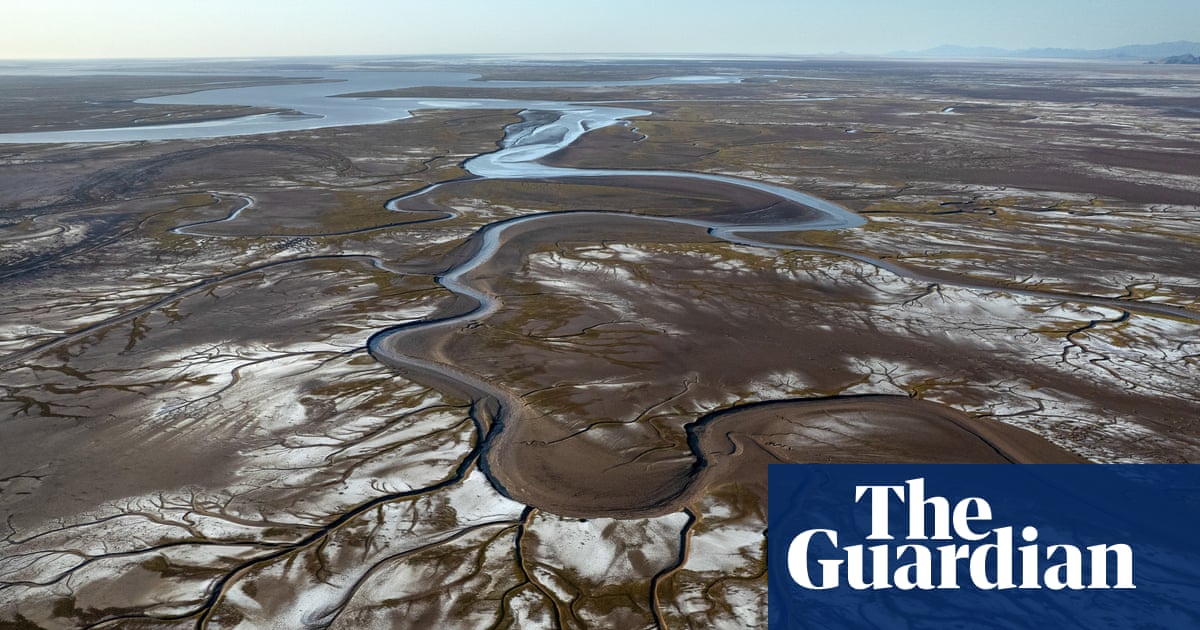
The Akosombo Dam, which stretches across the Volta River in south-eastern Ghana, has been described as the engineering marvel that defined an era. When it was commissioned in 1966 under the presidency of Kwame Nkrumah, it was the world's largest man-made lake by surface area — a 8,502-square-kilometre reservoir that could generate 1,020 megawatts of hydroelectric power, enough to power Ghana's industrialisation ambitions and position the country as the sub-region's energy powerhouse.
Sixty years later, the Akosombo Dam remains Ghana's largest electricity generation facility, accounting for approximately 38 percent of the country's installed capacity. But its dependence on the Volta River's water flows — and, by extension, on rainfall patterns that are increasingly disrupted by climate change — has exposed a fundamental vulnerability in Ghana's energy architecture. The events of 2024-2025, when water levels at the Akosombo reservoir dropped to the lowest levels since the dam's construction, laid bare the risks of an energy system built on the assumption of predictable rainfall.
The 2024-2025 Water Crisis
The 2024-2025 dry season was the most severe in the Volta River basin since records began. Rainfall in the catchment area, which spans northern Ghana and parts of Burkina Faso, Cote d'Ivoire, and Togo, was approximately 40 percent below the long-term average during the 2024 rainy season (May to October). The result was a dramatic decline in the Akosombo reservoir's water level, which fell from 273.6 feet above sea level in August 2024 to 240.2 feet in April 2025 — well below the minimum operating level of 245 feet.
The low water level forced the Volta River Authority to reduce electricity generation from the Akosombo facility, curtailing output to approximately 400 megawatts — less than 40 percent of its installed capacity. The shortfall triggered a load-shedding programme, known locally as "dumsor," that left households and businesses without power for up to 24 hours at a time, five days a week. The power crisis lasted for approximately six months, from December 2024 to May 2025.
The economic impact was substantial. The Association of Ghana Industries estimated that the power crisis cost the manufacturing sector approximately 2.1 billion cedis in lost production and increased operational costs. Small and medium enterprises, which could not afford backup generators, were disproportionately affected, with an estimated 15 percent of SMEs in affected areas reporting temporary closure during the worst of the rationing.
The social impact was equally significant. Hospitals reported disruptions to medical services, including the interruption of surgical procedures and the failure of cold chain equipment for vaccine storage. Schools experienced learning disruptions, and the reliability of water supply systems — which depend on electric pumps — was compromised.
The Recovery
The 2025 rainy season brought relief. Enhanced rainfall in the Volta basin, attributed to the transition from La Nina to neutral conditions in the Pacific Ocean, allowed the reservoir to refill partially. By April 2026, the water level had recovered to approximately 272 feet — approaching the normal operating range of 272 to 278 feet.
The VRA has progressively increased generation from the Akosombo facility, restoring output to approximately 800 megawatts by March 2026. The Kpong Dam, a smaller downstream facility that generates 160 megawatts, has also returned to full operation. The end of load-shedding, announced by the Electricity Company of Ghana in January 2026, was met with widespread public relief.
The recovery, however, has been accompanied by a recognition that the vulnerability exposed by the 2024-2025 crisis is systemic, not cyclical. Climate models project that the Volta basin will experience increasing rainfall variability in the coming decades, with more frequent and severe dry spells interspersed with intense flooding events. The assumption of reliable hydropower — the foundation of Ghana's energy planning since the 1960s — is no longer tenable.
Diversifying the Energy Mix
The crisis has accelerated Ghana's efforts to diversify its electricity generation mix. The National Energy Transition Framework, updated in 2025, sets a target of reducing the share of hydropower in the generation mix from 38 percent to 25 percent by 2030, with the gap filled by a combination of natural gas, solar, and wind power.
Natural gas, sourced from the offshore Jubilee and TEN fields, already accounts for approximately 32 percent of generation capacity. The government has accelerated the development of gas infrastructure, including the construction of the West African Gas Pipeline Phase II, which will connect Ghana to additional gas sources in Nigeria. The gas-to-power strategy is supported by the expansion of the Tema and Karpowership generating facilities, which collectively add approximately 700 megawatts of thermal capacity.
Solar energy is emerging as a critical component of the diversification strategy. The 50-megawatt Bui Solar project, located adjacent to the Bui Dam in the Brong-Ahafo Region, was commissioned in November 2025 and is now feeding power into the national grid. A 250-megawatt solar farm, being developed by the Norwegian company Scatec in partnership with the Bui Power Authority, is under construction and is expected to be operational by late 2027.
The government has also introduced net metering regulations that allow households and businesses with rooftop solar installations to sell excess power back to the grid, creating incentives for distributed solar generation. By March 2026, approximately 15,000 rooftop solar installations had been connected under the net metering programme, with a combined capacity of approximately 45 megawatts.
The Spillage Controversy
The low water levels at Akosombo also revived memories of the controversial 2023 spillage, in which the VRA opened the dam's spillways to release excess water after heavy rains. The spillage, which lasted for approximately six weeks, caused severe flooding in downstream communities, displacing an estimated 35,000 people and destroying homes, farmland, and infrastructure.
An independent commission of inquiry, established by the government in early 2024, found that the VRA had followed standard operating procedures in ordering the spillage but had failed to adequately communicate the risks to downstream communities. The commission recommended improvements to the VRA's early warning system, the development of comprehensive downstream flood management plans, and the establishment of a community compensation fund.
The VRA has implemented several of the commission's recommendations, including the installation of additional water level monitoring stations along the Volta River, the development of a community-based early warning network, and the improvement of communication protocols between the VRA and the National Disaster Management Organisation.
The Lake Volta Ecosystem
The Akosombo reservoir, known as Lake Volta, is not just an energy asset — it is an ecosystem of enormous ecological and economic importance. The lake supports one of the largest inland fisheries in Africa, providing livelihoods for approximately 300,000 fishers and their families. The lake's fish production, estimated at approximately 85,000 metric tonnes per year, contributes approximately 3 percent to Ghana's agricultural GDP.
The water level fluctuations of recent years have disrupted the lake's ecosystem. Low water levels have reduced spawning habitats for key fish species, leading to declines in fish catches of 15 to 25 percent in affected areas. Invasive aquatic weeds, including water hyacinth, have proliferated in shallow areas, obstructing navigation and depleting oxygen levels.
The VRA and the Fisheries Commission have initiated a lake management programme that includes the restocking of depleted fish species, the mechanical removal of invasive weeds, and the development of sustainable aquaculture practices. The programme, funded with support from the World Bank, aims to restore fish production to pre-crisis levels within five years.
The Long-Term Outlook
The Akosombo Dam will remain a cornerstone of Ghana's energy system for the foreseeable future. Its installed capacity of 1,020 megawatts is too valuable to abandon, and the reservoir's water — when available — remains the cheapest source of electricity in Ghana's generation mix.
The lesson of 2024-2025, however, is clear: Ghana can no longer depend on the Volta River's flows as the primary determinant of its energy security. The diversification of the generation mix, the development of renewable energy sources, and the improvement of energy efficiency across the economy are not optional luxuries — they are existential necessities.
As VRA Chief Executive Emmanuel Antwi-Darkwa put it: "Akosombo built this nation. But this nation cannot be built on Akosombo alone. The future of Ghana's energy must be as diverse and resilient as the challenges we face."