Carlos Alcaraz's French Open Withdrawal Exposes Tennis Scheduling Reckoning
The Spaniard's decision to withdraw from Roland Garros defence follows a wrist injury sustained in Barcelona, prompting renewed scrutiny of the tour's punishing calendar.
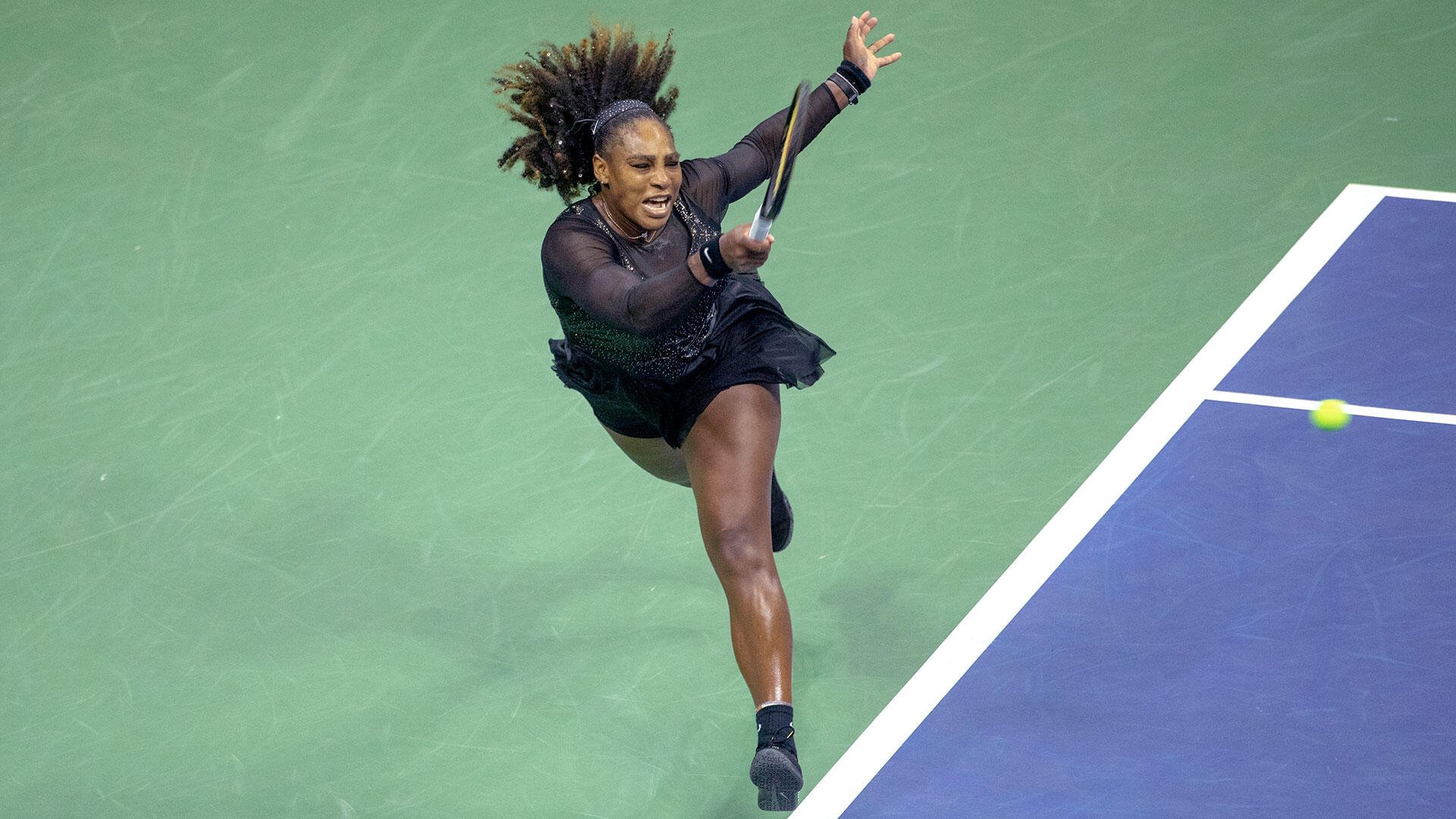
Carlos Alcaraz will not defend his French Open title. The Spaniard announced his withdrawal from Roland Garros on 24 April 2026, citing the wrist injury he sustained during his first-round exit at the Barcelona Open. It is the latest disruption in a season that has failed to deliver the form that carried him to a maiden title at Roland Garros twelve months ago.
The injury caps a difficult clay-court swing. Alcaraz's title defence at the Monte Carlo Masters ended two weeks before the Barcelona Open, according to reporting by Tumaini Carayol. The sequencing of those results — a premature exit in Monaco followed by an injury-enforced retirement in Barcelona — now reads as a cascading problem rather than isolated misfortune. A player who thrives on momentum found himself instead managing a physical setback that has removed him from the sport's second-major landscape entirely.
The Scheduling Tension
The broader context matters here. Professional tennis operates on a calendar that leaves little room for recuperation. The clay-court season builds from small ATP events in South America through Masters 1000 events in Monte Carlo, Madrid, and Rome before culminating at Roland Garros. For a player of Alcaraz's profile — drawn into longer matches by his attacking style, required to fulfil media and sponsorship obligations at every venue — the cumulative load compounds quietly until something gives.
Carayol's analysis flags a pattern that is difficult to ignore. Alcaraz has shown willingness to play through discomfort before, and the consequences have sometimes followed him into subsequent tournaments. The ATP Tour rewards participation and performance at the highest tier of events; the incentive structure does not naturally discourage players from returning before they are fully fit.
The Competitive Vacuum
Alcaraz's absence reshapes the French Open picture in ways that are uncomfortable for the sport's commercial interests. He defeated Jannik Sinner in last year's final in what was widely regarded as the finest clay-court match in recent memory. The prospect of a rematch on the same stage drove significant media and broadcast interest. Without Alcaraz in the draw, the narrative arc of the tournament weakens — Sinner enters as the presumptive favourite, and the field opens in ways that may not sustain the same level of global attention.
This is not to suggest the French Open lacks depth. A generation of clay-court specialists — from Casper Ruud to Alexander Zverev — will contest the title. But the sport has grown accustomed to Alcaraz as a protagonist at the majors, and his absence at Roland Garros is a genuine loss for the tournament's story.
The Longevity Question
The more pressing issue is what this injury sequence tells us about Alcaraz's physical trajectory. He is twenty-three years old. He plays a style that demands extraordinary footwork, extreme racquet head speed, and the capacity to absorb impact across five-set matches on a surface that punishes joints. The wrist injury, if it requires the kind of rehabilitation that forces extended absence, represents a test of how he manages his body when the incentives to return early are at their strongest.
Tennis has seen this before. Players who recovered fully from serious injuries and extended their careers; players who returned prematurely and compounded the damage. The difference often lies not in talent but in the patience to resist commercial and competitive pressure during rehabilitation.
What Comes Next
Alcaraz's withdrawal leaves a Roland Garros without its defending champion for the first time since Novak Djokovic sat out the 2022 edition with vaccination status complications. The circumstances differ entirely — Djokovic's absence was regulatory, Alcaraz's is physical — but the commercial effect is similar. The tournament must now sell a different story.
For Alcaraz himself, the immediate stakes are straightforward: heal completely, reassess his scheduling approach, and return for the grass-court season without compounding the injury. The deeper question — whether his body can sustain the demands of his playing style across a full calendar — remains unanswered. It is a question the sport's governing bodies have largely avoided addressing, preferring to let individual players bear the consequences of a system they helped construct.
Monexus noted the wire prioritised Alcaraz's withdrawal announcement; this article foregrounds the scheduling and longevity context that the immediate news cycle tends to defer.