Cowboys Land Dee Winters in Draft-Day Swap with 49ers
Dallas addressed a documented gap in its linebacker corps by acquiring Dee Winters from San Francisco in exchange for the 152nd overall pick, a transaction that immediately drew split evaluations from league analysts.
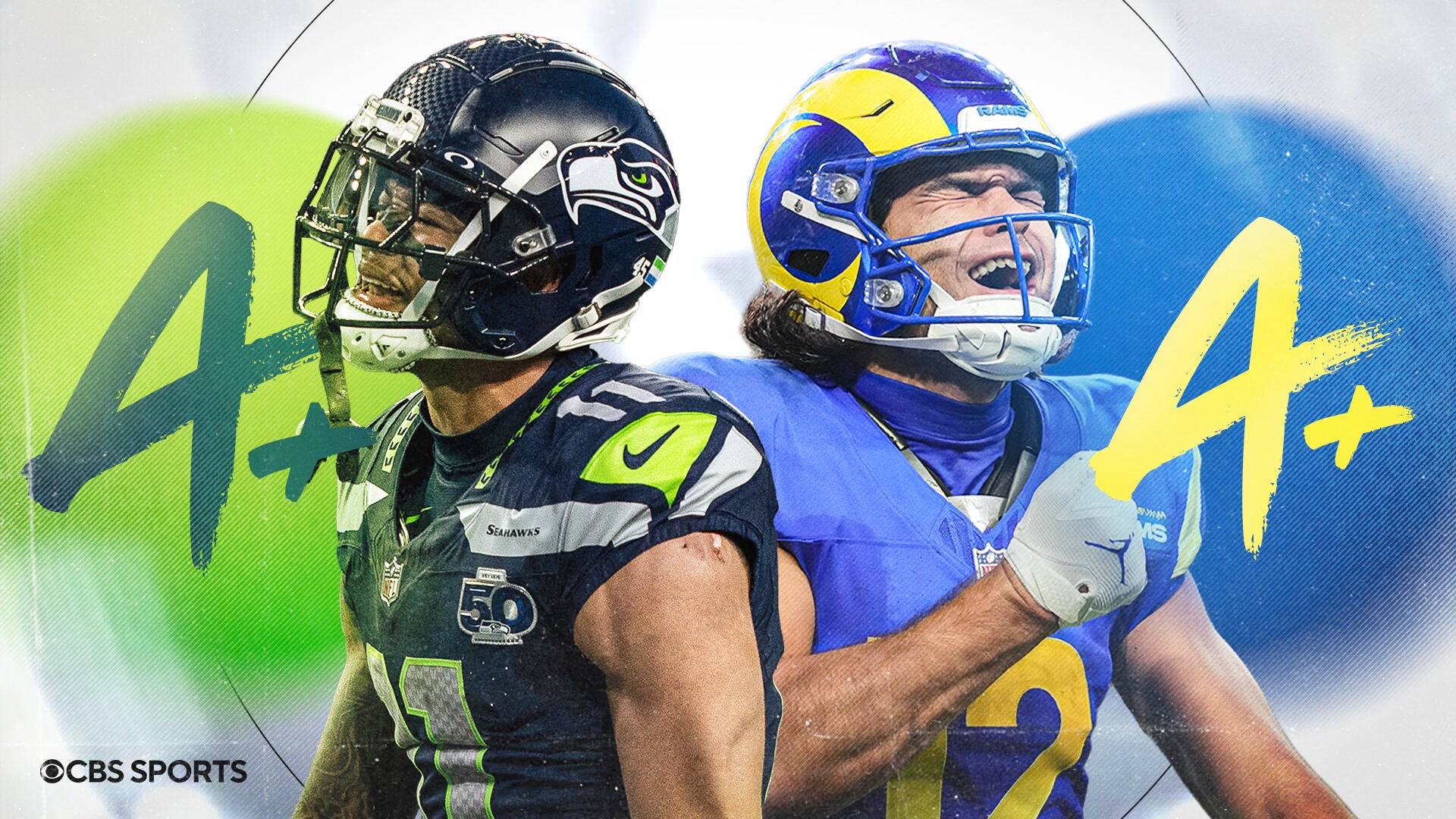
The Dallas Cowboys pulled off a draft-day transaction on 25 April 2026, acquiring linebacker Dee Winters from the San Francisco 49ers in exchange for pick No. 152 in the fifth round of this year's NFL draft, according to reporting by ESPN and CBS Sports.
The move addresses a need that had grown increasingly visible along Dallas's defensive front. The Cowboys finished the prior season with documented gaps in the linebacker rotation, a vulnerability that opponent scouting reports had targeted with some success. Winters, who spent four seasons with the 49ers after being drafted by San Francisco in 2020, brings game experience from one of the league's most analytically rigorous defensive systems.
The Trade Mechanics and What Dallas Surrendered
Pick No. 152 in the fifth round carries modest asset value. Late-round selections rarely translate directly into starters, which is precisely why they function as effective currency for acquiring serviceable veterans on the final year of their contracts. The Cowboys, by moving this pick, absorb whatever remains of Winters's current deal.
ESPN's reporting, sourced from league personnel familiar with the matter, describes the 49ers as having fielded multiple inquiries about Winters throughout the pre-draft process before settling on Dallas's offer. That San Francisco opted to deal rather than carry Winters into training camp suggests two possibilities: either the 49ers believed they could extract equal value from a later draft asset, or they had already determined that Winters did not fit the defensive schematic changes the franchise was implementing heading into the new season.
CBS Sports's analysis of the trade, published on 25 April 2026, graded Dallas's side more favourably than San Francisco's. The evaluation centered on Winters's fit within a Cowboys defense that, under its current coaching staff, has prioritised speed and range at the second level. The position CBS Sports identifies as Winters's most likely landing spot is the green-dot middle linebacker role—the signal-caller responsible for communicating defensive calls to the rest of the unit.
The Grade Problem: How Analysts Read the Same Transaction Differently
Trade grading in the NFL operates on a structural irony: the party receiving the higher mark typically spent less to acquire the asset. A fifth-round pick for a four-year veteran with starting experience looks like a coup for Dallas and a potential underwhelming return for San Francisco. But the calculus runs in both directions.
From the 49ers' perspective, retaining Winters through the draft meant either paying a salary that exceeded the club's projected return or releasing him with no compensation. Dealing him for a pick—even a late-round one—preserved a degree of asset efficiency. The alternative was carrying a player whose locker-room influence might become complicated once he knew he was not in the club's long-term plans.
From Dallas's vantage point, acquiring a middle linebacker who has operated within a structured, high-pressure defensive environment adds a qualitative dimension that a draft pick in the 150s cannot replicate. NFL front offices frequently cite the intangible cost of developing late-round rookies into reliable contributors; a proven commodity at a position of need eliminates that developmental risk entirely.
Structural Context: Why the Linebacker Market Behaved as It Did
The 2026 NFL draft occurred amid a league-wide re-evaluation of linebacker value that has been building for several cycles. As defensive schemes increasingly deploy multiple safeties and flex athletes at the second level, traditional thumper linebackers have faced structural pressure to adapt or face replacement. Teams that value speed and coverage ability over downhill tackling have reshaped the position in ways that older evaluators find counterintuitive.
Winters enters a Dallas locker room that has undergone meaningful transition along its defensive coaching staff. The implications of that continuity shift—who communicates the calls, who sets the front, who anchors gap responsibility—are non-trivial for a defense that has cycled through multiple personnel packages without establishing a reliable identity at linebacker.
Whether Winters emerges as the green-dot starter or functions as a rotation piece depends on how quickly he internalises a new defensive language. The gap between San Francisco's scheme and Dallas's system is not vast, but it is not negligible either. Rookieminicamp and OTAs will determine whether the transaction reads as a solved problem or a transaction still in progress.
What Remains Open
The sources reviewed for this article do not specify the financial terms of Winters's current contract or the length of any guaranteed portion Dallas may have absorbed. The precise cap implications of the move remain a matter for league cap databases and team salary releases to confirm. Additionally, neither ESPN nor CBS Sports reports on how the 49ers intend to allocate the fifth-round pick—whether as draft capital for a future trade or as a means of adding roster depth through the incoming draft class.
Both outlets describe the trade as a straightforward asset exchange with clear directional logic. The disagreement, such as it is, centres on whether San Francisco received adequate value. On that question, the season itself will provide the answer. The Cowboys gain a known quantity at a position of documented need. The 49ers shed a salary and convert a roster decision into a draft asset. Neither outcome is unreasonable. Whether either one is optimal will take months to determine.
Desk note: This publication framed the transaction as a straightforward roster-management move rather than a blockbuster acquisition. The wire services similarly treated it as a secondary-draft-story; ESPN's item ran under a straightforward headline referencing the trade itself, while CBS Sports structured its coverage around the grade as an analytical frame. No editorial exaggeration of significance was warranted—the fifth-round pick exchange speaks for its own modest scale.