Crypto Sanctions and Dollar Leverage: How a $344M Freeze Complicates Iran's Diplomatic Calculus
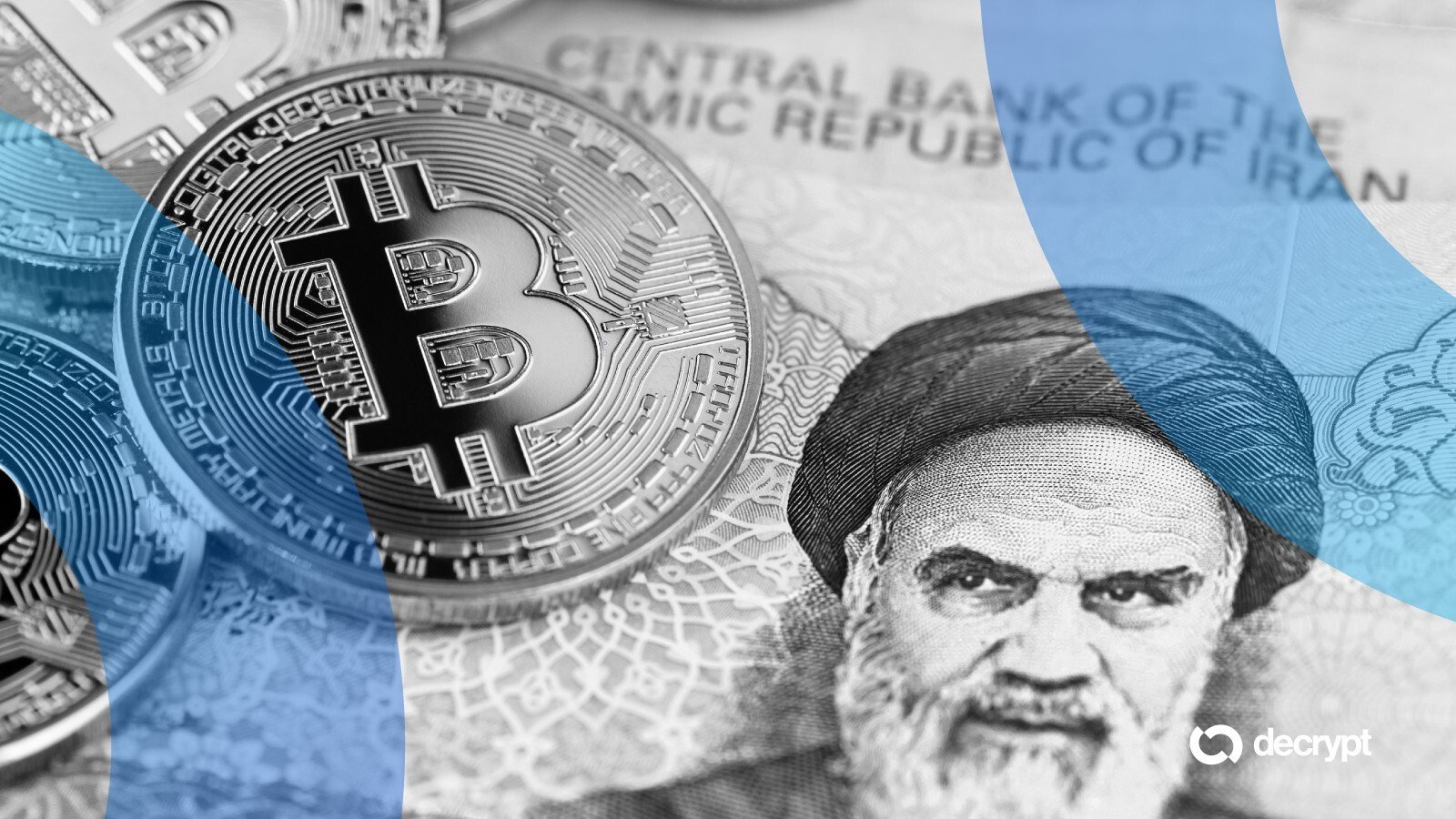
On 23 April 2026, United States authorities announced the freezing of $344 million in USDt stablecoin connected to Iran-linked actors. Tether, the issuer of USDt, acted on a request from US law enforcement to freeze the wallets one day prior, the company confirmed on 24 April 2026. The enforcement action landed at an unusual moment: markets were simultaneously repricing Iran's nuclear diplomacy and pushing Bitcoin toward its best monthly close in twelve months.
Bitcoin's recent trajectory tells a story that geopolitical analysts have struggled to reconcile with conventional risk models. The cryptocurrency gained ground through April 2026 even as tensions between Washington and Tehran escalated, defying the inverse correlation between risk assets and conflict signals that traders typically apply. On 24 April 2026, CoinDesk reported that Bitcoin was on track for its strongest monthly performance since April 2025, with $5 billion in new USDT supply growth providing the primary technical fuel for the advance. One trader quoted in that coverage noted that earnings season had displaced Iran war headlines as the dominant short-term driver for both equities and digital-asset markets.
The polymarket odds suggest traders are deeply uncertain about Tehran's next move. As of 25 April 2026, the prediction market priced a 43% probability that Iran agrees to surrender its enriched uranium stockpile by year-end, according to the platform's event contract. The contract language implies a negotiated outcome — a deal, a capitulation, or a staged handover — rather than a military disruption of Iran's enrichment infrastructure. The 43% figure reflects a market reading of leverage: Washington has tightened the enforcement screws, but Tehran retains options.
The $344 million freeze is the most visible recent expression of a structural shift in how dollar hegemony operates in digital-asset markets. Traditional sanctions enforcement relied on banking correspondents — the network of dollar-clearing banks that process cross-border transactions and that can be coerced through US regulatory authority. Stablecoins sidestep several layers of that architecture. USDt transfers do not flow through SWIFT-linked correspondent accounts; they settle on public blockchains, and the tokens themselves travel across wallets without requiring a bank intermediary. Tether's role as a regulated, US-facing issuer creates the pressure point: the company maintains dollar reserves, holds US banking relationships, and depends on continued market access that a sanctions designation could destroy. The freeze demonstrates that dollar leverage can be exercised even where no bank mediates the transaction.
USDT supply expansion has become a leading indicator for Bitcoin price action in a way that concerns some analysts. The $5 billion in new USDT minted over recent weeks represents capital waiting to be deployed into digital assets rather than sitting in stablecoins as a hedge. When USDT supply grows, historically Bitcoin follows within days or weeks — a correlation that practitioners treat as technical signal but that critics call self-fulfilling and structurally fragile. The current supply expansion suggests institutional or high-net-worth participants have been positioning ahead of what they anticipate as a market-moving event, though the identity of those participants remains opaque.
The Iran nuclear deal landscape has not produced a clear victor. Washington has applied financial pressure through secondary sanctions targeting third-country entities that continue to purchase Iranian oil — a mechanism that creates compliance costs for non-US firms but does not directly prevent Tehran from exporting crude to willing buyers in Asia. The crypto enforcement adds a layer that touches actors who may have sought to move dollar-denominated value outside the banking system entirely. Whether that specific freeze targets weapons-procurement networks, oil-revenue extraction, or a broader sanctions-evasion operation has not been specified by US authorities in the public disclosures reviewed by this publication.
Market participants are reading the signals selectively. Bitcoin's rally through April 2026 suggests that digital-asset traders have concluded that even a military escalation in the Gulf would not disrupt USDT or Bitcoin infrastructure in ways that justify de-risking. The Polymarket pricing on a uranium surrender treats negotiated outcomes as more likely than escalation, though the 43% figure means the market gives better-than-even odds that Tehran retains its stockpile through December 2026. The disconnect between enforcement aggression and market confidence warrants scrutiny: either the freeze is targeted at a peripheral sanctions-evasion network and therefore price-irrelevant, or markets are pricing in a degree of resilience in dollar-based financial infrastructure that historical precedent does not clearly support.
What remains unclear from the available disclosures is the precise chain of custody for the frozen wallets — whether the $344 million represents a single coordinated freeze or a series of wallet-level actions aggregated by Tether, what the underlying evidence threshold was for the law enforcement request, and whether any affected parties have filed challenges under Treasury's sanctions administrative procedures. Tether's disclosure was terse; the company confirmed it had frozen the wallets in response to a request but did not name the requesting agency or describe the evidence standard applied. Those details matter for assessing whether crypto sanctions enforcement is becoming a routine tool or remains a targeted escalation.
The structural logic is straightforward in outline, even where the specifics remain opaque. Dollar hegemony operates through the financial system — through banks, through correspondent networks, through the clearance infrastructure that routes the world's dominant reserve currency. Crypto markets were supposed to create an alternative. The Tether freeze demonstrates that the alternative is not fully outside the dollar orbit; it is downstream of it, and the leverage flows accordingly.
Monexus framed the crypto enforcement as the primary news hook, treating the Polymarket odds and Bitcoin's technical rally as corroborating market context rather than competing narratives. Wire coverage on the freeze centred on Tether's disclosure; this article foregrounds the dollar-leverage logic and the market-read implications.