Day 2 Fantasy Fallout: Why the 49ers' De'Zhaun Stribling Pick Demands Your Attention
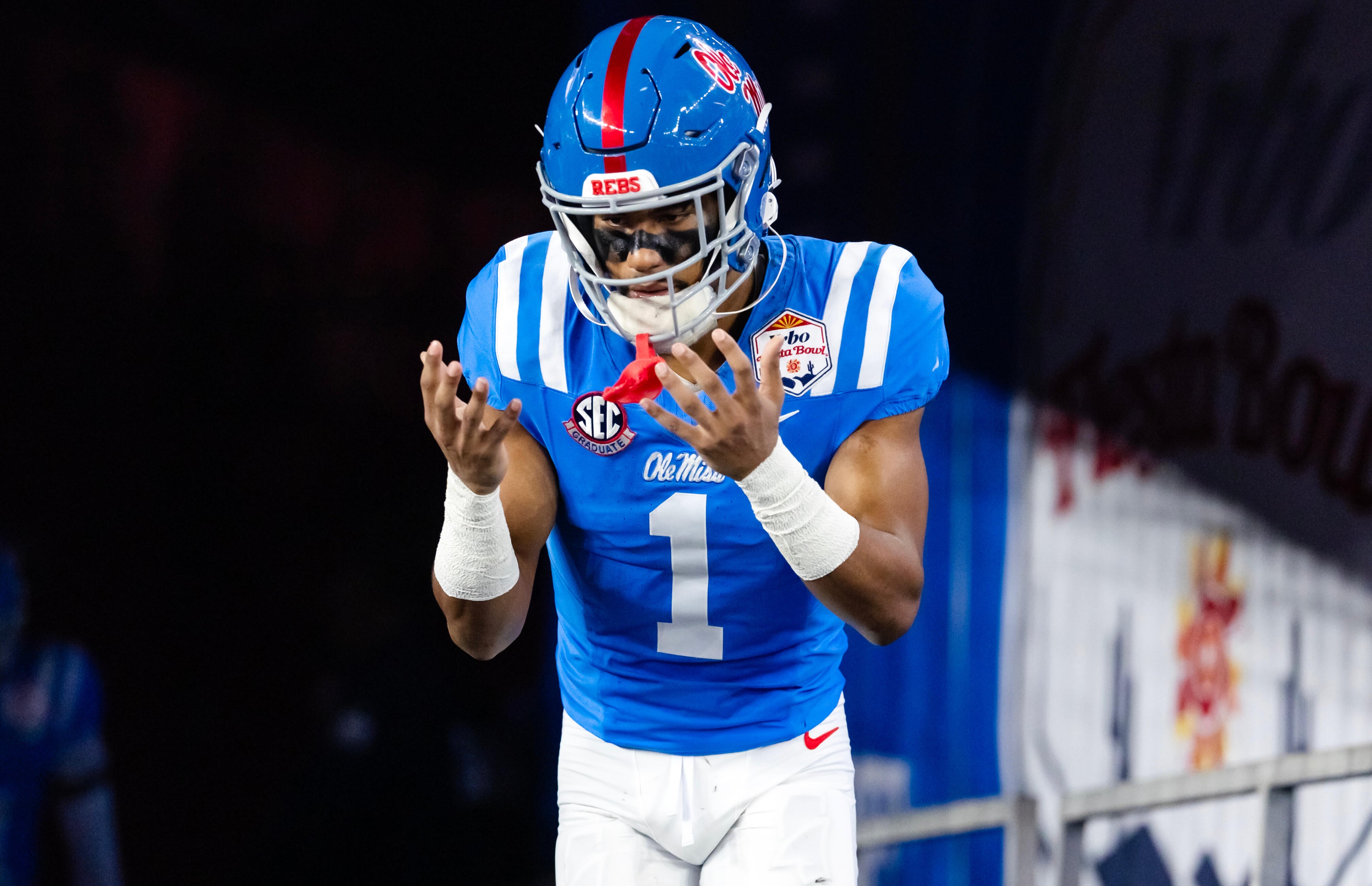
The San Francisco 49ers selected De'Zhaun Stribling, a wide receiver from Ole Miss, on Day 2 of the 2026 NFL Draft, adding a prospect whose fantasy ceiling depends heavily on how the team deploys him within an offense that already features established targets. Fantasy analysts are still working through the implications, but the initial consensus is that Stribling brings vertical upside while leaving questions about immediate role and target volume unanswered.
Heath Cummings updated his dynasty rookie rankings on 25 April 2026, placing Stribling somewhere in the Day 2 mix that fantasy managers are still parsing for value. The selection fits a pattern the 49ers have shown in recent drafts: taking developmental talent rather than filling immediate needs, which creates a specific kind of fantasy calculus—one where long-term dynasty value collides with short-term redraft uncertainty. What makes Stribling notable is not the pick itself but the context around it: the 2026 wide receiver class is considered deep enough that Day 2 selections carry more weight than they typically would.
The Class Depth Question
The wide receiver class entering the 2026 NFL Draft was flagged by multiple analysts as unusually strong, particularly in its middle rounds. A 25 April analysis from CBS Sports noted that Day 2 produced a cluster of receivers who could matter in redraft leagues immediately while also holding dynasty relevance for years. Stribling fits that profile. He was not a consensus top-12 rookie, per Cummings' rankings, but his profile includes enough size-speed combination to suggest that the gap between Day 2 selection and productive NFL receiver may be narrower than usual in this particular class.
That depth creates a secondary market in fantasy drafts. Managers who miss the top rookie receivers can still find Day 2 options with viable floors. It also means that landing spot matters more than it might in a weaker class, because the competition for touches at the NFL level is stiffened by the quality of the surrounding rookie cohort. The 49ers' offense, while productive, is not short on targets, and Stribling's path to consistent volume is not clear.
Stribling's Fantasy Profile
The immediate fantasy question around Stribling is role clarity. The 49ers selected him in a window where most analysts expected the team to address other positions or select a more immediately productive receiver. Stribling brings what scouts describe as stretch-the-field ability, but Ole Miss to the NFL is not always a seamless transition for wideouts whose game depends on timing with a specific quarterback. The CBS Sports coverage of the pick emphasized upside while acknowledging that production projections remain speculative.
For dynasty managers, Stribling is a stash-or-drop proposition depending on roster construction. He is not a plug-and-play asset for 2026 redraft. The 49ers' offensive scheme under their current coaching staff has shown willingness to develop mid-round receivers, but the track record is mixed in terms of fantasy output. If Stribling carves out a deep-target or red-zone role early in his career, his value climbs significantly. If he spends 2026 as a gameday inactive, his dynasty trajectory flattens.
What the Dynasty Market Is Pricing In
Fantasy managers operating in dynasty formats are running a parallel calculation. The rookie draft has become its own market, and the 2026 class is being priced accordingly. Stribling's Day 2 selection means he will likely cost a late first-round or early second-round rookie pick in most dynasty startup or re-draft formats, which prices in both his ceiling and his likely delayed timeline. Cummings' rankings reflect this market: the top 12 is crowded with Day 1 picks and early Day 2 selections, with Stribling occupying uncertain territory below that.
The 49ers' selection also says something about how NFL front offices are valuing the receiver position right now. In a deep class, teams can afford to take developmental players they like rather than reaching for immediate contributors. That luxury does not always translate to fantasy production, because NFL teams and fantasy teams optimize for different things. NFL teams care about wins; fantasy teams care about volume. Stribling could be a good NFL player on a winning team and still produce nothing useful in fantasy terms if his role remains peripheral.
The Stakes for Dynasty Managers
The practical stakes are straightforward for dynasty managers who already drafted or are drafting in rookie formats. Stribling is a lottery ticket with a specific ticket price. Paying a mid-first for him is likely overpaying based on current information. Paying a late first or second is defensible given the class depth and his physical profile. The 49ers' willingness to spend a Day 2 pick on him signals organizational belief, but organizational belief has a spotty record of converting to fantasy relevance.
The broader lesson from Stribling's selection is that Day 2 in a deep receiver class is not the wasteland it sometimes appears in weaker years. Fantasy managers who do their homework on mid-round rookies in strong classes have historically found value that the market underprices. The 2026 class appears to be one of those years. Stribling is not a sure thing, but he is the right kind of pick—athletic, productive in college, selected by a team that knows how to develop receivers—to warrant a roster spot and patience.
For redraft managers, the calculus is simpler: Stribling does not belong on a roster that needs to win in 2026. He belongs on a dynasty roster with depth and a willingness to wait. The 49ers' decision to draft him says more about their long-term offensive vision than about any 2026 fantasy contribution. Managing that distinction is what separates successful dynasty builders from managers who spend resources on potential that never arrives.
This coverage focuses on the fantasy dimensions of a Day 2 pick that the wire services framed primarily as an organizational selection. CBS Sports' analysis centered on immediate dynasty rankings; this piece examines the structural logic of taking a developmental receiver in a deep class and what that means for long-term roster strategy.