Denzel Boston Lands in Cleveland: Fantasy Football Winners and Losers
The Browns selected Denzel Boston in the second round of the 2026 NFL Draft, immediately reshaping the fantasy landscape of their passing attack — but the ripple effects extend further than the surface landing spot suggests.
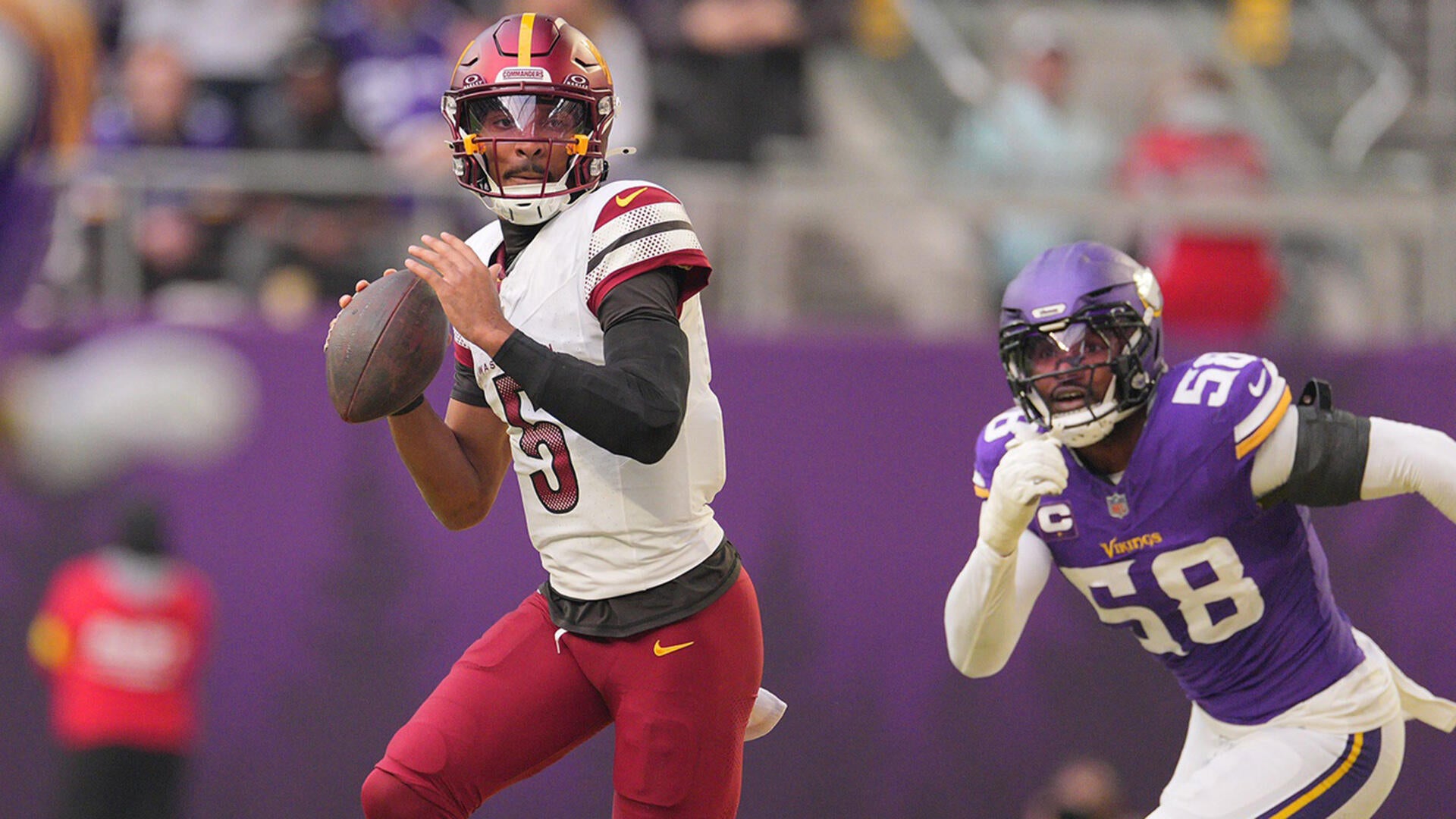
The Cleveland Browns selected Denzel Boston in the second round of the 2026 NFL Draft, and the fantasy football community was swift in its reassessment. A 6-foot-3 receiver from Washington with a contested-catch profile and a nose for the end zone, Boston arrives in Cleveland as the most significant additions to the Browns' receiver room in years. The selection, made on April 24, 2026, sent immediate shockwaves through dynasty drafts and redraft rosters alike. But the full picture is more layered than the initial draft-grade enthusiasm suggests.
This publication finds that the landing spot is genuinely strong — the Browns passing offense was starved for a perimeter threat of Boston's build — but the path to consistent fantasy production is not as straightforward as the draft capital implies. The interplay between Boston, incumbent starter Amari Cooper, and newly acquired Jerry Jeudy will determine whether this pick generates season-winning fantasy weeks or becomes a depth-chart footnote by midseason.
The Landing Spot: Why Cleveland Makes Sense
The Browns entered the 2026 draft with a receiver room that had been upgraded via trade but remained short on true ceiling. Jerry Jeudy arrived from Denver in the offseason, giving Cleveland a polished route-runner, but the unit lacked a player who could win on the boundary against tight coverage and convert in the red zone. Denzel Boston, at 6-foot-3, 215 pounds, fills that specific gap. His college tape at Washington showed a player comfortable working the intermediate and deep thirds of the field, with the body control to high-point the ball against physical corners.
From a pure opportunity standpoint, the Browns passing offense in 2025 was middling — but the volume ceiling is higher than the surface numbers suggest, particularly if the quarterback situation stabilises. CBS Sports noted on April 25 that Boston "joins KC Concepcion in Cleveland" as part of a Browns receiver corps that is beginning to take identifiable shape. The pairing of a contested-catch threat with a slot-float specialist is a complementary structure that offensive coordinators can exploit.
Impact on the Existing Pass-Catching Corps
The more complicated question is what Boston's presence does to Amari Cooper's production trajectory. Cooper has been the unquestioned lead receiver in Cleveland, commanding a target share that generated WR2 fantasy finishes in recent seasons. Adding a second-round receiver with red-zone ambitions does not automatically displace Cooper, but it introduces a sharing mechanism that changes the math for managers who roster the veteran.
The most direct competition for early-season targets, however, may come from the middle of the depth chart rather than from Cooper. A second-round rookie typically earns starting snaps within the first quarter of the season; if Boston acclimates quickly to NFL route concepts, he could displace a lesser-developed player from a meaningful snap share. The ripple effect on dynasty values of Cooper and Jeudy is not catastrophic, but it is real. CBS Sports' Day 2 analysis noted on April 24 that there remain "excellent landing spots" for Day 2 prospects — Boston's landing spot in Cleveland is being graded accordingly by the fantasy community, with consensus landing in the upper-half of Day 2 selections for immediate utility.
For redraft managers, the takeaway is cautious optimism: Boston should be viewed as a high-upside waiver-wire add in the second half of the season rather than a plug-and-play starter from Week 1. The talent is real; the path to targets is contested.
Dynasty Valuation: The Long Game
For dynasty managers, the calculus shifts. Second-round rookie picks carry value not because of immediate production but because of draft capital. NFL teams that spend a second-round pick on a receiver are committing to a multi-year development arc; that commitment creates a higher floor for opportunity than Day 3 selections, who can be cycled off a roster with far less friction.
Boston currently slots as a mid-tier second-round rookie pick in dynasty rookie drafts — behind the elite tier of running backs and top-tier wideouts, but meaningfully ahead of Day 3 selections. The CBS Sports analysis points to his ceiling as a potential high-volume target earner in an NFL offense that has lacked that identity since at least 2023. If he reaches that ceiling, his current dynasty ADP understates eventual value by a considerable margin. If he requires two full seasons to develop, dynasty investors face the same patience premium they absorb on any mid-first-round receiver.
The honest assessment is that Boston is a prospect with above-average landing spot upside and average-to-above-average dynasty pedigree. He is not a league-winning lottery ticket, but he is also not a depth-chart filler. The profile reads as a player who will matter in fantasy by 2027, with a possible earlier emergence if the quarterback room performs.
The Structural Reality of NFL Draft Picks in Fantasy Markets
There is a structural reason to trust the second-round landing spot over the Week 1 production ceiling. NFL teams that draft a player in the second round have made a multi-year resource commitment — salary, practice squad activation, developmental coaching — that creates a minimum activation threshold. Day 3 picks can be released, stashed on practice squads indefinitely, or replaced by a veteran addition with essentially no cap consequence. Second-round picks do not enjoy that flexibility.
This means that Boston's path to playing time is more institutionally guaranteed than a comparable talent drafted in Round 4 or later, even if the talent differential between the two players is small. Fantasy markets have begun pricing this reality explicitly: dynasty rookie drafts in 2026 are showing a widening gap between second-round and Day 3 receiver picks, reflecting the data that second-round receivers generate meaningful fantasy production at a higher rate than their Day 3 counterparts.
Desk Note
This article was written from CBS Sports reporting on the Browns' selection of Denzel Boston and the broader Day 2 landscape. Monexus covered the landing spot as a production story first, tracing the fantasy ripple effects across the Browns roster rather than leading with a raw draft grade. The dominant wire framing emphasised rookie selection rankings; this piece prioritised opportunity cost and dynasty trajectory, which is a narrower but more analytically specific frame.