Man City Win Proves Old Habits Die Hard as Arsenal Title Push Enters Final Act
When Southampton took a first-half lead against Manchester City in the FA Cup semi-final on 25 April 2026, the instinct among many watching was to treat it as news. City, after all, had just suffered a humbling Champions League exit and sat behind Arsenal in the Premier League with five games remaining. A shock at Wembley felt plausible. It was not to be. Two goals in five second-half minutes — the second a strike from Nico Gonzalez that BBC Sport described as "magnificent" and "unstoppable" — completed the comeback and sent City into their fourth consecutive FA Cup final. The Old habits, it turns out, do not dissolve because a title race grows tense.
The timing matters. This was not merely a cup semi-final; it was a statement. With Arsenal still to play Newcastle United and the title race compressed into a final fortnight, Guardiola's side needed to demonstrate they could handle pressure at both ends of the season simultaneously. They answered that question on the pitch against a Southampton side fighting for their own objectives. The win buys City time to recover, to reset, to approach the league run-in without the weight of a cup defeat compounding whatever anxiety already exists in the dressing room.
Arsenal's Response: Arteta's Public Calm and the Saka Variable
Mikel Arteta, speaking to Sky Sports on the morning of 25 April, had urged his players to "take ownership" of the title race and "get the job done." The language was deliberate: not a plea for luck, not an appeal to external factors, but an assertion that the trophy was there to be taken. It was the tone of a manager who knows his side has largely handled the pressure this season and sees no reason to abandon that posture now.
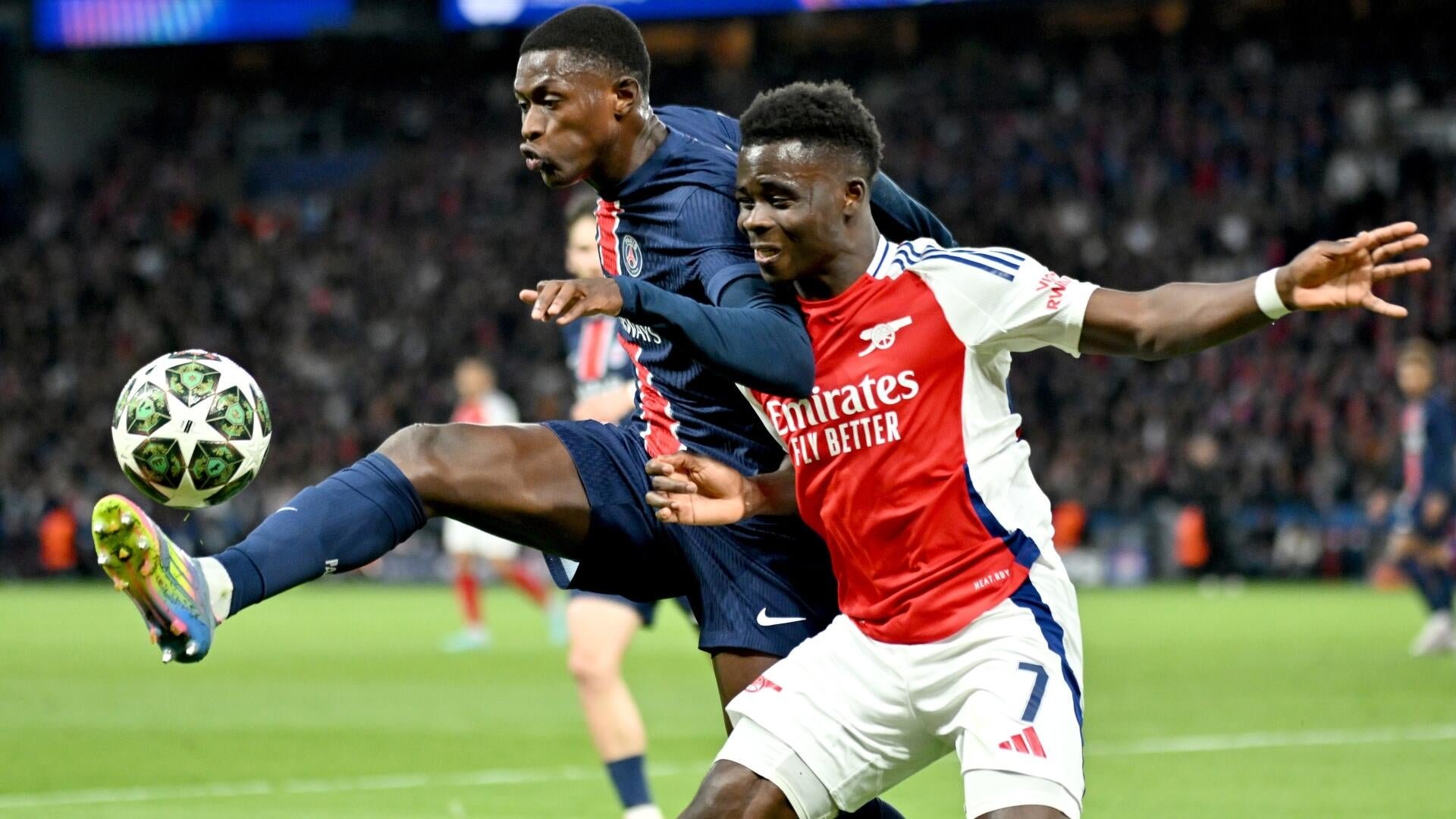
The complication is Bukayo Saka. CBS Sports reported on 24 April that Arteta claimed Saka was ready to return after his injury layoff. If the England international is fit and selected against Newcastle, Arsenal gain something they have lacked in recent high-stakes matches: a right flank that can both create and stretch opposition backlines in the same sequence. His absence was not the sole reason for the defeat to City that preceded this international break, but it removed an element of unpredictability Arsenal have come to rely upon. Whether Saka starts, comes off the bench, or is managed carefully ahead of a run of league fixtures that will determine the title, is a decision with consequences that extend well beyond one match.
The Race in Context: Fewer Variables, Higher Stakes
This is not the Premier League title race of 2023-24, when Arsenal and City traded blows week after week before City pulled clear. The 2025-26 version has a different texture. Both sides have dropped points in unexpected places; both have shown moments of vulnerability that a season ago would have been treated as aberration. What has not changed is the fundamental dynamic: City have the deeper squad, the more proven record in tight finishes, and a manager who has won the league in six of the last seven seasons. Arsenal have youth, hunger, and the accumulated frustration of coming close before.
The Athletic noted on 25 April that late drama had unfolded in the relegation battle as well — a reminder that the final weeks of a Premier League season do not operate in a vacuum. Points dropped by sides with nothing to play for, or gained by sides fighting for survival, can reshape the table in ways that have nothing to do with the quality of the two clubs contesting the title. Arsenal face Newcastle, who still have ambitions of their own. City face a run-in that will include at least one side with significant financial incentive to take points. The race will be decided not just by what happens at the Emirates and the Etihad, but by what happens everywhere in between.
What Comes Next
The FA Cup final will proceed regardless of how the league finishes. City will be there; they have made it a habit. But the more consequential match is the one still to be scheduled in the league — assuming neither side drops points before then. Guardiola has built a team that can lose one match and win the next three. Arteta has built one that has shown it can win when the pressure is most acute. The combination of those two realities is what makes the final fortnight of this season genuinely compelling rather than merely tense.
Arsenal have not won the Premier League since 2004. Manchester City have won it in six of the last seven seasons. The narrative heading into the final stretch treats those facts as context, but context shapes perception. If Arsenal hold on, it will not be an upset in the strictest sense — they have led the table for most of the season. But it will be a signal that something has shifted in the hierarchy of English football. If City win it again, it will be the same story wearing different clothes. Either way, the next two weeks will settle a question that has been building since August: whether Arsenal's growth is enough to breach a wall that City have spent years perfecting how to defend.
The answer is close now. Man City's win on 25 April did not decide anything, but it reminded everyone watching that the wall remains standing. Whether it holds through May is what the league was built all season to answer.
Wire provenance
This editorial synthesis draws on the following public wire/social posts:
- https://t.me/TheAthletic/99823
- https://t.me/TheAthletic/99821