Oman's Quiet Diplomacy: Why Tehran Chose Muscat as Its Preferred Channel
Iran's top diplomat landing in Muscat on 25 April sends a signal that transcends bilateral optics — it is a deliberate reframe of Tehran's regional standing at a moment when much of the world is looking elsewhere.
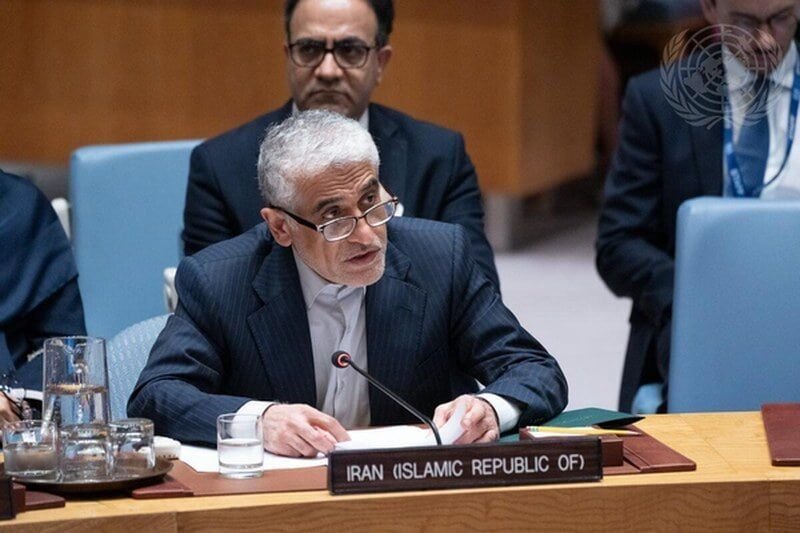
Iranian Foreign Minister Abbas Araqchi arrived in Muscat on 25 April 2026 — his first visit to the Omani capital since what Tehran describes as the start of the Israeli-American aggression against the region. The trip carried the markings of a deliberate diplomatic operation: public, timed, and framed in the language of neighbourhood relations rather than the confrontational register that typically defines Iranian Foreign Ministry statements. Araqchi's message, as reported by Iranian state-aligned Arabic broadcaster Al Alam, was that Oman's bilateral relationship with Tehran represents a template for coexistence — a model built on mutual respect and trust-building among neighbours. It was, in essence, a positioning exercise as much as a diplomatic visit.
That framing matters. At a moment when Iran faces substantial international pressure — sanctions architecture intact, nuclear programme under renewed scrutiny, and regional hostility that has not abated — the act of hosting Iran's top diplomat carries weight for Muscat. Oman has long occupied a distinctive lane in Gulf diplomacy: close enough to all parties to serve as a messenger, distant enough from any single axis to maintain credibility as an interlocutor. Araqchi's public praise for that role is not incidental. It signals that Tehran understands the utility of Oman's position and is willing to invest political capital in maintaining it.
The Back-Channel Tradition
Oman's value as a diplomatic venue has roots in the Sultanate's founding posture of what its late ruler, Sultan Qaboos, described as a philosophy of平衡 — balance — in regional affairs. Muscat maintained relations with Tehran during the height of anti-Iran sentiment in the Gulf, and served as an informal conduit during nuclear negotiations between Iran and world powers in the 2013–2015 period. American officials, including at least one former senior State Department figure, have acknowledged privately that Oman provided channels that official diplomacy could not open. This history gives Omani facilitation genuine operational substance, not merely ceremonial value.
Araqchi's public emphasis on the neighbourly dimension of the relationship — rather than strategic or ideological language — appears calibrated to reinforce Oman's comfort with the arrangement. Muscat does not want to be seen as a platform for Iranian regional ambition. By framing the relationship in terms of mutual respect and shared neighbourhood concerns, Tehran is, at minimum, making the diplomatic product easier for Muscat to sell domestically and to its Arab Gulf neighbours.
The Regional Calculus
The timing of Araqchi's visit is inseparable from the broader deterioration of regional stability that Iranian officials describe as the consequence of Israeli-American actions. The characterisation of events as aggression — rather than, say, a calibrated security response — reflects Tehran's effort to cast itself as a party under pressure rather than a source of it. Whether or not that framing finds purchase in Western capitals, it is the register in which Iran is conducting its regional diplomacy in 2026, and Oman is receiving that message in a manner that suggests no immediate objection.
What is structurally notable is the divergence between Iran's diplomatic offensive and the trajectory of its Western-facing isolation. While sanctions and diplomatic friction continue, Tehran is actively maintaining and deepening relationships with states that retain open channels to Washington, Riyadh, and Abu Dhabi alike. Oman fits that description precisely. The message to regional audiences is one of resilience and normalisation; the message to Western interlocutors, should they choose to read it, is that channels exist if they wish to use them.
What Muscat Is Getting From This
For Oman, hosting Araqchi is not without its own risks. Arab Gulf states remain divided on the pace and terms of any normalisation with Iran, and Muscat's willingness to serve as a venue carries an implicit endorsement that some neighbours watch carefully. The diplomatic benefit for Oman lies precisely in that centrality: by remaining the place where such conversations happen, the Sultanate retains a strategic relevance that its small population and modest military footprint would not otherwise command. Araqchi's public praise — calling Omani-Iranian ties a living example of mutual respect — reinforces Muscat's self-image as a credible regional actor and provides domestic political cover for engagement that might otherwise face criticism.
The arrangement is, in the language of small-state diplomacy, a calculated hedge. Oman keeps its channels open to all parties; Iran gains access to a venue with demonstrated ability to carry messages; and both sides present the relationship as a product of geography and mutual interest rather than ideological alignment.
The Limits of the Picture
What the public framing cannot answer is whether anything substantive was discussed during Araqchi's visit — whether specific proposals on nuclear confidence-building, regional de-escalation, or sanctions relief were tabled, or whether Muscat served simply as a platform for Iranian messaging. The sources available do not disclose the content of any private sessions. Omani officials have not issued independent statements about the visit as of the time of publication. The picture is, for now, one of optics and tone rather than negotiated outcome.
What is clear is that Iran is investing in a relationship it considers strategically valuable, and Oman is allowing that investment to proceed on terms Muscat finds acceptable. Whether that constitutes a meaningful diplomatic development or a well-managed performance will depend on what, if anything, follows.
The Monexus desk approach to this story diverged from the dominant English-language wire framing, which led with the Israeli-American aggression framing and treated Araqchi's Muscat visit as secondary. This piece foregrounds the bilateral architecture and Oman's distinctive diplomatic position — the regional context is present, but the analytical weight falls on the relationship itself and what it reveals about how Iran is managing its Gulf relationships in a period of heightened pressure.
Wire provenance
This editorial synthesis draws on the following public wire/social posts:
- https://t.me/alalamarabic/98765
- https://t.me/alalamarabic/98766
- https://t.me/alalamarabic/98767
- https://t.me/alalamarabic/98768
- https://t.me/alalamarabic/98769