Starlink Expands to 500,000 African Subscribers as Rural Connectivity Revolution Accelerates
SpaceX's Starlink satellite internet service has reached 500,000 subscribers across Africa, with Nigeria, Kenya, and Rwanda leading adoption and traditional VSAT providers scrambling to compete with dramatically lower prices and superior speeds.
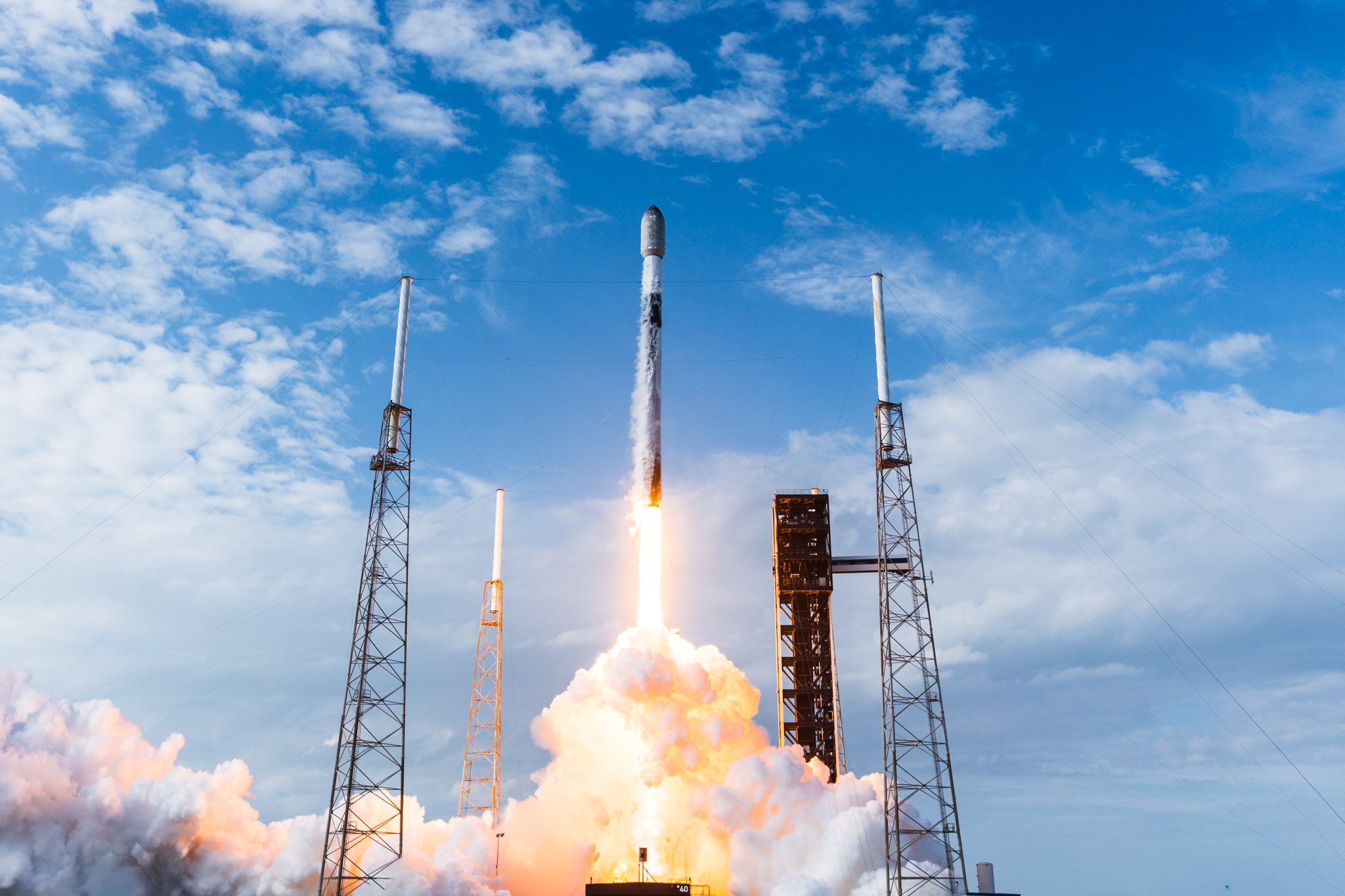
SpaceX's Starlink satellite internet service has reached 500,000 subscribers across 18 African countries, fundamentally altering the connectivity landscape in a continent where more than 600 million people remain offline. The milestone, reached in April 2026 according to data compiled by Space in Africa, a Lagos-based space sector analytics firm, represents a tenfold increase from the 48,000 subscribers Starlink reported in Africa at the end of 2024 and underscores the transformative potential of low-Earth orbit satellite technology for bridging Africa's persistent digital divide.
Nigeria leads adoption with approximately 195,000 subscribers, followed by Kenya with 125,000, Rwanda with 62,000, South Africa with 45,000, and Mozambique with 38,000. The service is now commercially available in 18 African markets, with regulatory approvals pending in an additional 14 countries.
Starlink's African pricing has declined significantly since its initial launch. The standard residential service, which originally cost $600 for the hardware terminal and $110 per month for service in Nigeria at launch in early 2023, is now available for $220 for hardware and $38 per month for service in most African markets. The price reduction has been driven by SpaceX's deployment of its more advanced V2 mini satellites, which offer higher bandwidth and can serve more users per satellite, and by the company's scale advantages as its global subscriber base exceeds 5 million.
The speed differential between Starlink and existing connectivity options in rural and peri-urban Africa is dramatic. Starlink users in Africa consistently report download speeds of 80 to 150 megabits per second (Mbps) and upload speeds of 15 to 30 Mbps, compared to average speeds of 5 to 15 Mbps for 3G mobile networks and 15 to 40 Mbps for 4G/LTE in areas where terrestrial infrastructure exists. In many rural areas where Starlink is deployed, it provides the first broadband-quality internet connection available.
Oluwaseun Adeniyi, a poultry farmer in Ogun State, Nigeria, who installed Starlink in January 2026, described the impact in practical terms. "Before Starlink, I had to drive 45 minutes to the nearest town to check market prices, communicate with suppliers, and access veterinary information," Adeniyi said. "Now I have reliable internet right here on my farm. I've increased my revenue by 25 percent because I can respond to market opportunities in real time."
Starlink's expansion has disrupted the traditional very small aperture terminal (VSAT) market, which has served as the primary means of satellite internet connectivity in Africa for decades. Companies including SES, Eutelsat OneWeb, and Hughes Network Systems have dominated the African VSAT market, serving an estimated 120,000 enterprise and government customers with equipment costs typically ranging from $2,000 to $15,000 and monthly service fees of $200 to $2,000.
Several VSAT operators have responded with competitive offerings. Eutelsat OneWeb, which merged with Eutelsat Communications in 2023, has launched a "OneWeb Africa" plan offering speeds of 50 to 100 Mbps for $50 per month, with hardware costs subsidized through government partnerships in Kenya and Nigeria. SES's O3b mPOWER constellation, which provides high-throughput satellite services optimized for enterprise and government customers, has announced a 30 percent price reduction across its African portfolio.
The regulatory landscape has been complex. Starlink initially faced resistance from several African telecommunications regulators concerned about the service's impact on incumbent operators and the adequacy of regulatory oversight. Nigeria's telecommunications regulator, the Nigerian Communications Commission (NCC), initially delayed Starlink's license before approving it in May 2022. Ghana's National Communications Authority (NCCA) took 14 months to process Starlink's application, while South Africa's Independent Communications Authority of South Africa (ICASA) required Starlink to partner with a local licensed entity before granting operating approval.
Rwanda has taken the most proactive approach, integrating Starlink into its national broadband strategy and subsidizing hardware costs for schools and health centers in rural areas. The Rwandan government has committed $12 million to connect 500 schools and 200 health facilities to Starlink, part of a broader initiative to achieve 100 percent internet coverage by 2028. Kenya has similarly partnered with Starlink to provide connectivity to 200 remote schools and 50 health centers.
The impact on education has been particularly notable. A World Bank study published in March 2026 found that schools connected to Starlink in Kenya's Turkana and Marsabit counties saw a 35 percent improvement in student test scores within one year, attributed to access to digital learning resources and teacher training platforms. The study estimated that connecting all of Africa's unconnected schools to satellite internet would cost approximately $4.8 billion -- a fraction of the estimated $120 billion annual economic productivity loss attributable to Africa's connectivity gap.
The enterprise market has been equally significant. Mining companies, agricultural enterprises, tourism operators, and humanitarian organizations have adopted Starlink for operations in remote locations where terrestrial connectivity is unavailable or unreliable. Barrick Gold has deployed Starlink at its Loulo-Gounkoto mine in Mali, the World Food Programme uses Starlink for logistics coordination in conflict zones, and tourism operators in the Serengeti, Masai Mara, and Okavango Delta have installed Starlink to offer WiFi to guests.
Not all reactions have been positive. African telecommunications companies, which have collectively invested over $100 billion in terrestrial network infrastructure, have lobbied regulators to impose conditions on Starlink's operations. MTN Group and Airtel Africa have argued that satellite operators should contribute to universal service funds, comply with data localization requirements, and face equivalent regulatory obligations to terrestrial operators.
The competitive dynamics are expected to intensify further as additional satellite constellations enter service. Amazon's Project Kuiper, which plans to deploy over 3,200 satellites, has announced plans to begin African service by 2028. China's Guowang and GalaxySpace constellations are also targeting African markets, potentially offering additional options and further price competition.
For Africa's 600 million unconnected citizens, the satellite internet revolution offers something that decades of terrestrial infrastructure investment have failed to deliver: the possibility of broadband connectivity regardless of geography, terrain, or economic status. Whether that possibility becomes a reality will depend on continued price reductions, supportive regulatory frameworks, and the willingness of governments and the private sector to invest in the devices, skills, and content needed to transform connectivity into opportunity.