Trump Cancels Pakistan Trip for Iran Talks, Hints at Wider Diplomatic Pullback
The Trump administration called off a planned US delegation visit to Pakistan on 25 April, citing what it called an inadequate Iranian counteroffer. The cancellation marks the most significant breakdown yet in the indirect US-Iran nuclear talks that have proceeded intermittently since the 2025 Oman channel opened.
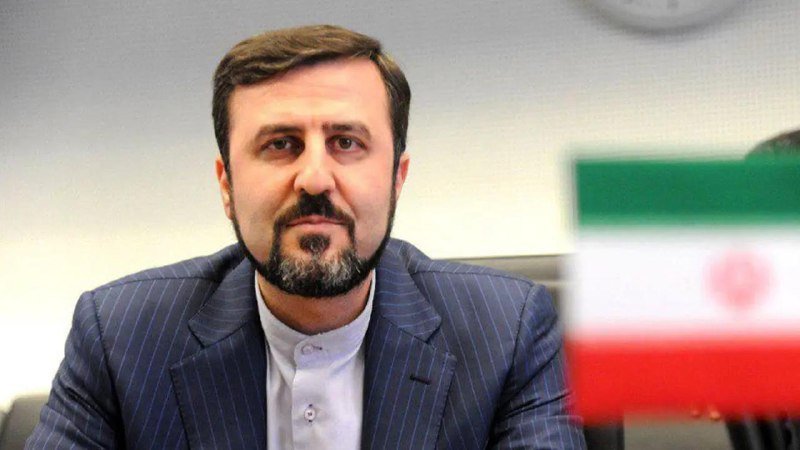
President Donald Trump called off a planned visit by US negotiators to Pakistan on 25 April, derailing what had been the most concrete step toward a potential nuclear accommodation with Iran in months. The cancellation, announced during a Fox News appearance, came hours after Iranian officials submitted a revised proposal that the administration reportedly deemed insufficient. The sequence of events leaves the diplomatic channel opened through Omani mediation in 2025 in considerable doubt.
The decision follows months of indirect talks conducted through Muscat, with the most recent session occurring in mid-April. Senior administration officials had flagged the Islamabad meeting as a potential turning point — a format in which Iranian representatives would have been present in the same country as the US delegation, even if not at the same table. The proposed agenda included caps on uranium enrichment, sanctions relief, and verification mechanisms. Trump's move to scrap the trip hours before the delegation was due to depart marks the most public rupture in that process.
The Offer That Wasn't Good Enough
Administration officials framed the cancellation as a response to Iran's revised terms. Speaking on Fox News, Trump said: "The Iranians gave us an offer that should have been better. Immediately after I canceled the departure of the American delegation." The president's office had initially confirmed the Pakistan trip on 23 April, describing it as a reciprocal engagement following an Omani-hosted session earlier in the month. The reversal suggests the Iranian proposal, delivered through Omani intermediaries, fell below a threshold the White House had privately set.
Iranian state media, citing unnamed officials, described the submitted document as a comprehensive framework addressing both the nuclear file and the sanctions architecture simultaneously — a two-track approach that Western analysts have long viewed as Tehran's preferred negotiating posture. The question now is whether the administration rejected the package on substance, on structure, or as a negotiating signal that it intends to hold out for more favorable terms. The sources do not specify which element of the Iranian proposal triggered the cancellation.
Leverage, Patience, and the Limits of Pressure
The White House framing casts the cancellation as a demonstration of strength rather than a diplomatic failure. Trump said: "We have all the cards, we're not gonna spend 15 hours in airplanes all the time going back and forth." The language reflects an administration that believes economic pressure — the so-called maximum pressure architecture reimposed in early 2025 — has positioned the US to extract concessions without the kind of extended shuttle diplomacy that characterized the Obama-era JCPOA process.
That reading has its limits, however. Iran has demonstrated a capacity to sustain economic duress through currency controls, a restructured energy export network, and diversification of commercial relationships, particularly with Asian partners. Three years of elevated sanctions have not produced a regime-change outcome or a negotiating collapse. For the Iranian leadership, waiting out pressure is a known strategy. The question is whether Washington's current negotiating team has the appetite for a prolonged standoff or whether the political calendar — domestic as much as international — introduces urgency the Iranian side can exploit.
The Regional Geometry
The choice of Pakistan as a venue was itself a compromise. Direct US-Iran talks remain politically untenable in Tehran and, after the administration's January 2025 executive order restricting bilateral diplomatic contact, increasingly difficult in Washington. Pakistan, with its longstanding ties to both sides and a government that has sought to position itself as a regional mediator, offered a logistical framework without the symbolism of a formal US-Iran dialogue. Islamabad's willingness to host was not guaranteed; the Pakistani foreign ministry's public silence following the cancellation is notable.
The breakdown also carries implications beyond the bilateral track. For Saudi Arabia, the UAE, and other Gulf states that have watched the negotiations with a mixture of hope and anxiety, an unresolved Iran nuclear file means continued uncertainty over their own security calculations. European parties to the JCPOA — France, Germany, and the UK — had quietly backed the Oman channel as a last viable diplomatic path. A full termination of talks would force those governments to choose between rejoining a sanctions pressure campaign they have historically resisted and accepting a deal they had no role in shaping.
What Comes Next
The immediate trajectory is downward. Both sides have staked out positions that make compromise structurally difficult: Washington insists on a comprehensive surrender of enrichment capacity as a precondition for meaningful sanctions relief; Tehran insists on sanctions removal as the substance of any deal, with enrichment rights treated as non-negotiable. The gap is not semantic. It reflects incompatible assessments of what a stable arrangement would require.
Trump's instinct is to hold the pressure and wait for a collapse. Iran's instinct is to absorb the pressure and wait for a political shift. Neither bet is risk-free. The administration faces a domestic energy pricing problem if oil markets tighten as a result of escalation; Iran faces a regime-stability problem if the economic deterioration crosses thresholds it cannot manage. The most likely near-term outcome is a pause, not an end — the Omani channel remains technically open, and both sides have incentives to avoid being seen as the party that walked away first. But the window for a structured agreement has narrowed appreciably since 25 April 2026.
This publication's coverage of the cancellation led with the administration's own stated rationale for scrapping the trip. The wire framing emphasized the setback to peace prospects; we foregrounded the negotiating dynamic and the structural gap between stated positions.
Wire provenance
This editorial synthesis draws on the following public wire/social posts:
- http://reut.rs/3Ot9m9X
- https://t.me/megatron_ron/204807
- https://t.me/abualiexpress/19845
- https://t.me/FarsNewsInt/4421
- https://t.me/megatron_ron/204806