Trump Cancels Witkoff-Kushner Islamabad Mission Hours Before Departure
President Trump revoked a planned Islamabad mission by his top Middle East envoys on 25 April 2026, telling Fox News the 18-hour flight was unnecessary because Washington holds all the leverage. The Iranian delegation had already departed Pakistan as tensions over a maritime blockade persist.
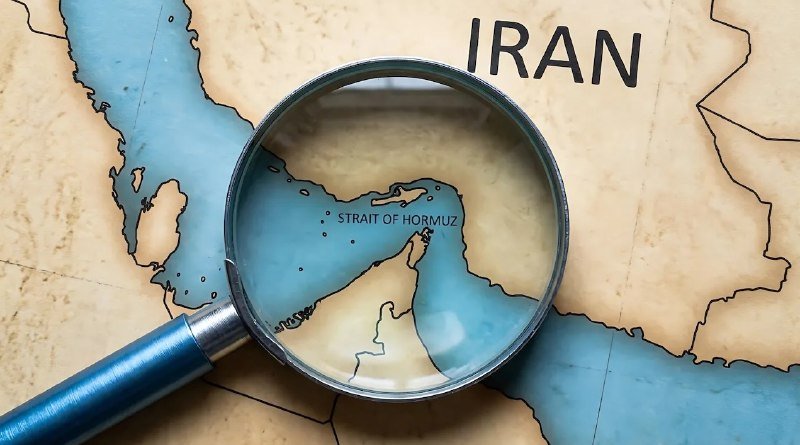
President Donald Trump canceled a planned diplomatic mission to Islamabad on 25 April 2026, scrapping a visit by senior envoys Steve Witkoff and Jared Kushner just hours before their departure. The White House had initially announced the trip as a targeted engagement with Pakistani officials concerning the ongoing war with Iran.
Speaking to Fox News, Trump offered a blunt rationale for the reversal. "I said, 'nope, you're not making 18-hour flight to go there. We have all the cards. You're not going to be making any more 18-hour flights,'" the president said, according to a transcript reported by multiple Telegram channels monitoring US policy statements.
The announcement came as an Iranian delegation flew out of Pakistan on the same day, according to regional Telegram outlets tracking diplomatic movements. Iran's top military command issued a simultaneous warning, threatening retaliation should US naval operations enforcing what Tehran describes as a blockade continue. The Iranian statement characterized the maritime restrictions as "piracy" and demanded their cessation.
The Mission That Wasn't
The canceled trip was first reported by US wire outlets as a scheduled diplomatic engagement aimed at exploring pathways to de-escalation between Washington and Tehran via Pakistani mediation. Witkoff, the administration's special envoy, and Kushner, Trump's son-in-law and former senior adviser who has maintained an informal diplomatic portfolio, had been slated to meet Pakistani counterparts in Islamabad on 25 April.
Neither the White House nor the State Department had published a formal readout of the trip's objectives prior to its cancellation. Pakistani officials had not publicly confirmed the visit, and there was no indication that Iranian representatives were expected to join the discussions in the Pakistani capital. The abruptness of the reversal suggested either a change in White House calculations about the mission's utility, or a deliberate signal to Tehran that the administration views direct negotiation as unnecessary while current pressure tactics hold.
Tehran's Response and the Maritime Dimension
Iran's military command response was swift and unmediated. According to reporting carried by Telegram channels monitoring Iranian state media, the Islamic Revolutionary Guard Corps issued a statement warning of consequences if what it called US "blockade and piracy" did not cease. The Iranian framing casts American naval posture in the Gulf as an act of economic warfare, not legitimate sanctions enforcement.
The Iranian delegation's departure from Pakistan on the same day as the canceled US visit raises questions about whether any indirect channel had been operating, and whether that channel is now closed. The sources do not indicate whether Pakistani officials requested the Iranian delegation's presence or whether Tehran dispatched representatives independently of any US invitation.
Pakistan's Position in the Triangle
Islamabad faces a structurally awkward position. Pakistan shares a long, contested border with Iran, and has historically attempted to maintain workable relations with both Washington and Tehran. The war between the United States and Iran has complicated that balancing act significantly.
The canceled mission suggests Pakistan's role as a potential mediator did not meet Washington's current threshold for investment. Trump's comment that his team possessed "all the cards" implies the administration believes it can achieve its objectives through pressure rather than dialogue — or that it views Pakistani mediation as unlikely to produce concessions from Tehran that direct coercion cannot.
What the Cancellation Signals
The abrupt nature of the withdrawal raises questions about intelligence or diplomatic developments that may have shifted White House calculations in the hours before the flight. It is not uncommon for diplomatic travel to be canceled at the last minute when conditions change, but the public statement of rationale — Trump's Fox News interview — was unusually direct.
Whether the decision reflects confidence in the efficacy of current sanctions and naval pressure, or a recognition that a two-man diplomatic mission without a clear Iranian counterpart would produce little of substance, is not yet clear from the available record. What is evident is that the administration chose to frame the cancellation as a demonstration of strength rather than a missed opportunity.
The Iranian military warning adds a layer of risk to that posture. As long as the blockade remains in place and Tehran characterizes it as piracy rather than lawful sanctions enforcement, the potential for miscalculation at sea remains significant. A confrontation between US naval assets and Iranian vessels would be difficult to contain within the maritime domain.
This report reflects the available wire record as of 25 April 2026. Neither the White House nor the IRGC issued formal statements beyond the sources cited.
Wire provenance
This editorial synthesis draws on the following public wire/social posts:
- https://t.me/operativnoZSU/12441
- https://t.me/alalamarabic/8923
- https://t.me/FarsNewsInt/4561
- https://t.me/DDGeopolitics/7892
- https://t.me/DDGeopolitics/7891